
Western ringtail possum guide
Western ringtail possum in south-west WA: EPBC and State listings, habitat, how fauna surveys are done and when an EPBC referral may be needed.
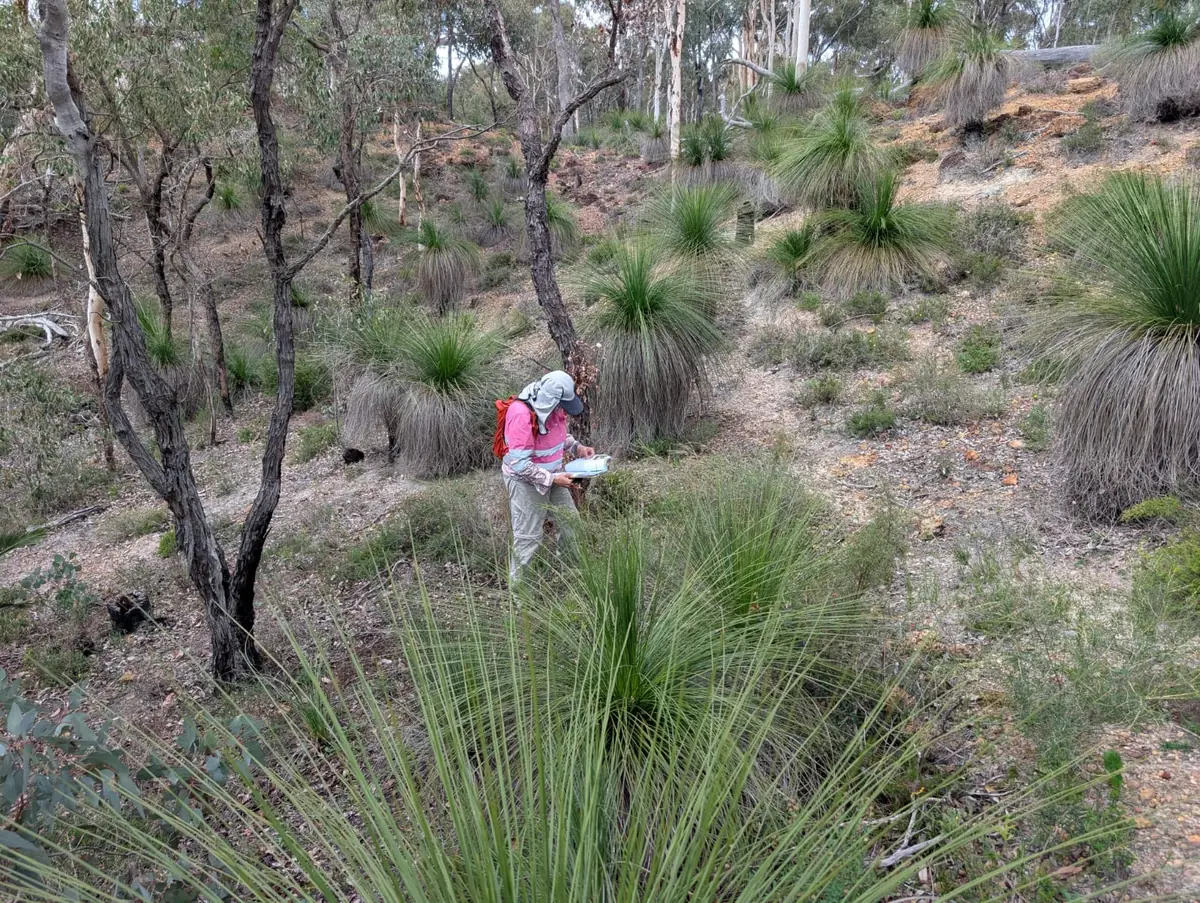
The western ringtail possum is a tree-dwelling marsupial of south-west Western Australia, and it is listed as critically endangered under both Commonwealth and State law. Where a site holds habitat the species uses, clearing or development may need assessment and approval before work starts.
This guide explains the listings, the habitat the species relies on, how fauna surveys for it are generally done and when a referral under the Environment Protection and Biodiversity Conservation Act 1999 (Cth) may be needed. Our fauna survey team can scope a survey and habitat assessment for your site.
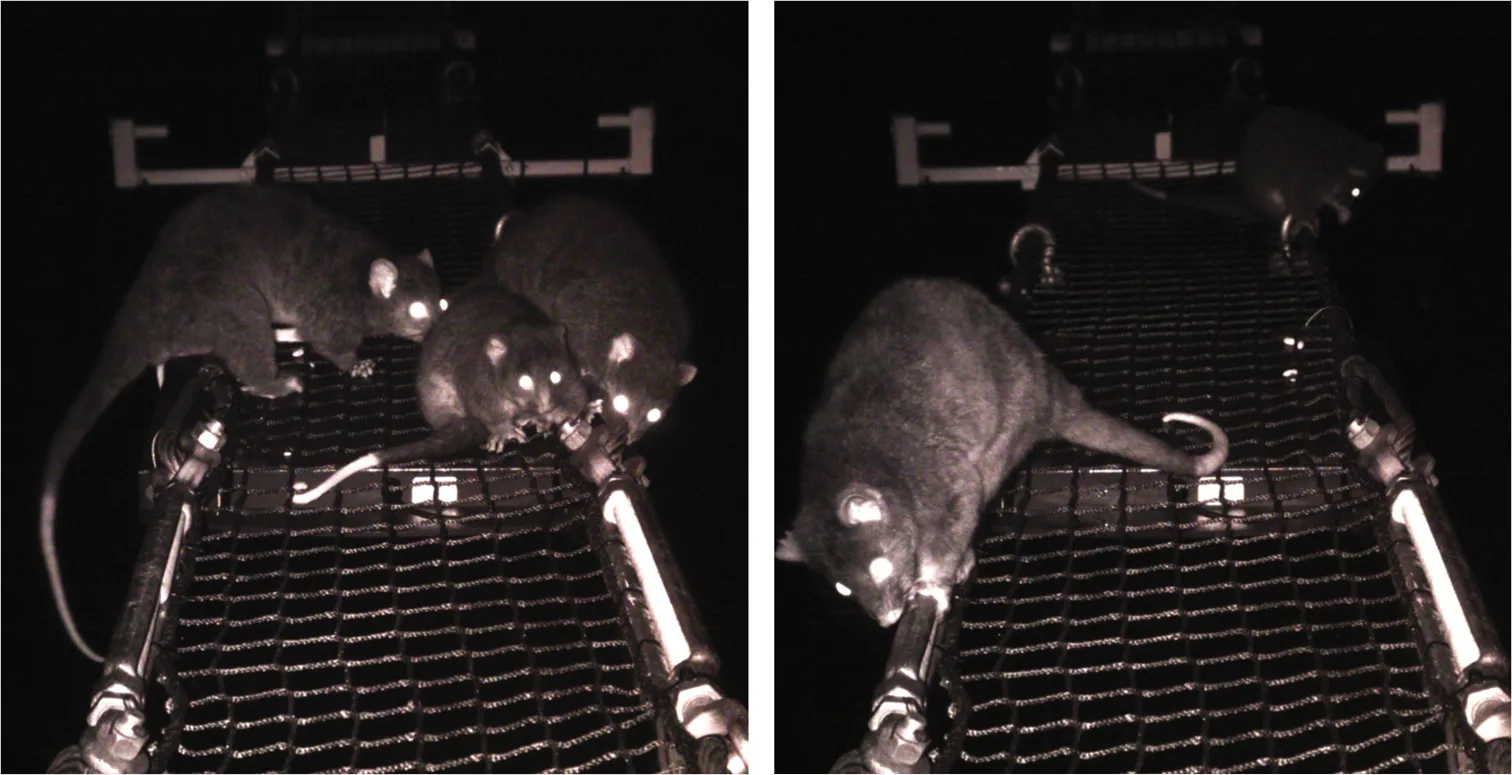
The western ringtail possum (Pseudocheirus occidentalis), also called the ngwayir, lives in the south-west of Western Australia. It is listed as critically endangered nationally and in WA, so a site with suitable habitat may trigger Commonwealth and State processes.
Current conservation listings
Under the Environment Protection and Biodiversity Conservation Act 1999 (Cth) (EPBC Act), the species is listed as critically endangered. The approved conservation advice for the species records that the Minister moved it from the vulnerable category to the critically endangered category, effective from 11 May 2018.
Under the Biodiversity Conservation Act 2016 (WA), the western ringtail possum is listed as a threatened species in the category of critically endangered species. The current instrument is the Biodiversity Conservation (Listing of Native Species) (Fauna) Order 2025(2), published in the Government Gazette on 31 July 2026. The species appears in Schedule 2, Division 1.
| Law or list | Category | Where it is set out |
|---|---|---|
| Environment Protection and Biodiversity Conservation Act 1999 (Cth) | Critically endangered, effective from 11 May 2018 | Approved conservation advice for the species |
| Biodiversity Conservation Act 2016 (WA) | Critically endangered | Biodiversity Conservation (Listing of Native Species) (Fauna) Order 2025(2), Schedule 2, Division 1 |
In short, the species is critically endangered under both laws, so both sets of rules need checking.
Habitat and range
The species is endemic to south-west WA. The 2018 conservation advice describes patchy populations along the south and west coasts, and in some inland areas. The Commonwealth notes that it had disappeared from at least 80 per cent of its pre-European range by 1980.
The conservation advice states that the species is now largely restricted to mature peppermint (Agonis flexuosa) forest with a closed to semi-closed canopy. The Department of Biodiversity, Conservation and Attractions (DBCA) also records it in jarrah, karri and sheoak forests and in near-coastal heaths. The recovery plan says its diet is almost entirely myrtaceous trees such as peppermint, marri and jarrah.
By day, the possum rests in a drey, a nest of sticks and leaves, or in a tree hollow. DBCA notes that dreys are built in tree canopies, sedges or the skirts of grass trees. The recovery plan reports an average home range of less than five hectares, and less than two hectares in peppermint habitat. It needs a continuous canopy to move safely and avoid predators.
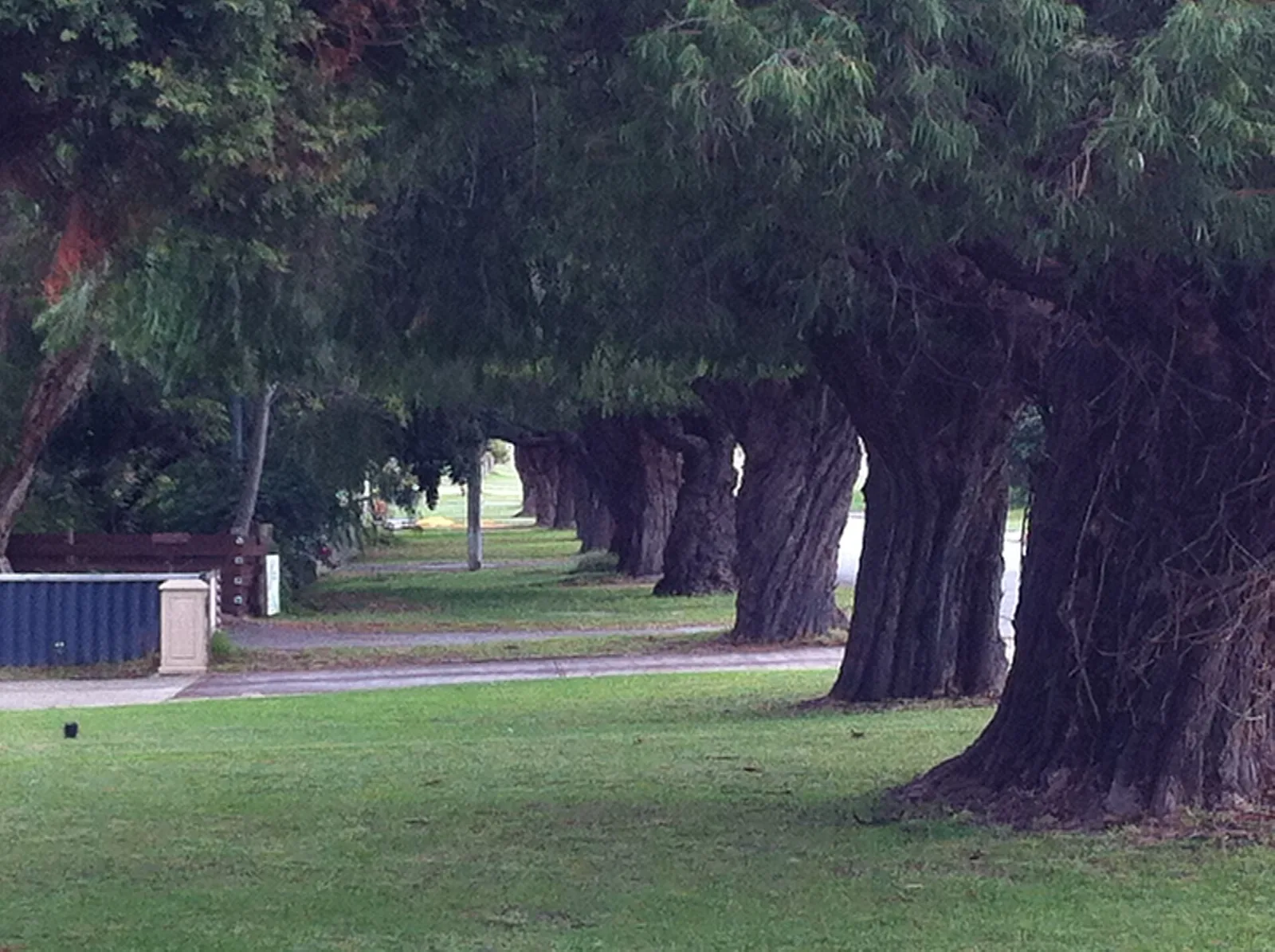
The species also lives in urban and peri-urban areas. DBCA notes that in suburban areas it may use roof spaces. A residential block can therefore hold habitat.
Why it matters for clearing and development
The conservation advice lists land clearing and urban development among the threats to the species, and notes that most remaining habitat is on private land. Other threats include a drying climate, foxes and feral cats, fire, dog attacks and road deaths. Predation is a particular problem where clearing or fire opens up the canopy. The recovery plan identifies the loss and fragmentation of native vegetation as one of the principal threats to the species.
For a project, the questions go beyond the clearing footprint. Canopy links matter as well as the trees removed.
When an EPBC referral may be needed
An action that is likely to have a significant impact on a critically endangered species needs approval under the EPBC Act. The person proposing the action is responsible for the self-assessment. The National Environmental Protection Agency (National EPA) points to the Matters of National Environmental Significance: Significant Impact Guidelines 1.1. For a critically endangered species, the guidelines say an impact is likely to be significant if there is a real chance or possibility that the action will, among other things:
- lead to a long-term decrease in the size of a population
- reduce the area of occupancy of the species
- fragment an existing population into two or more populations
- adversely affect habitat critical to the survival of the species
- interfere with the recovery of the species.
The National EPA advises that if your self-assessment shows a significant impact, or you are unsure, you should refer the project. It offers free pre-referral meetings. If you decide not to refer, you must keep your self-assessment documentation.
Guidelines for the southern Swan Coastal Plain
EPBC Act Policy Statement 3.10 (2009) sets significant impact guidelines for the species on the southern Swan Coastal Plain, including the area between Bunbury and Dunsborough. It maps three habitat areas: core habitat, primary corridors and supporting habitat. In core habitat, for example, it says there is a real chance of a significant impact if an action clears a remnant habitat patch larger than 0.5 hectares, clears more than half of a patch of 0.1 to 0.5 hectares, or fragments habitat linkages.
The policy recommends retaining peppermint trees with a trunk diameter over 10 cm at breast height and avoiding canopy breaks of six metres or more. The policy was written when the species was listed as vulnerable, so read it alongside the current conservation advice and the Significant Impact Guidelines 1.1.
Further amendments to the EPBC Act, including new approval tests, are due to commence on or before 1 December 2026. See our guide to the EPBC changes from 1 December 2026.
How surveys for the species are generally done
In WA, the Environmental Protection Authority (EPA) sets the standard for fauna surveys used in environmental impact assessment. Its Technical Guidance: Terrestrial vertebrate fauna surveys for environmental impact assessment (June 2020) starts with a desktop study. This includes database searches, such as the Protected Matters Search Tool, and an assessment of how likely each significant species is to occur.
Field work then checks the desktop results and maps fauna habitat. The guidance says basic and targeted surveys usually suffice in the Swan Coastal Plain and Jarrah Forest bioregions. For EPBC listed species, the guidance points to the Commonwealth survey guidelines and species profiles, and DBCA should be consulted when targeting particular species. Surveys should be led by experienced zoologists, and appropriate licences must be obtained to trap or disturb fauna.
For the western ringtail possum, the Commonwealth background paper to Policy Statement 3.10 describes watching daytime refuges at dusk, spotlighting at night, and daytime searches for dreys, bark scratches and faecal pellets. It recommends a combination of techniques.
| Method | What it involves | Limits noted in the guidance |
|---|---|---|
| Habitat assessment | Mapping vegetation, canopy continuity and likely refuges on and near the site | Should cover vegetation on and near the site |
| Spotlighting | Searching tree canopies at night with a spotlight | Results vary with weather and season; harder where density is low |
| Dusk watches | Watching known or likely daytime refuges as animals emerge | Used alongside other methods |
| Drey searches | Daytime searches for leaf nests in canopies, sedges and grass tree skirts | No dreys does not mean no possums, as hollows are also used |
| Scat searches | Daytime searches for faecal pellets and scratches on tree trunks | Used alongside other methods |
The guidance favours using methods together. The conservation advice says a trained observer can tell the species from the common brushtail possum, and that a preferred survey method has not yet been established.
Practical steps before you plan works
- Run a Protected Matters Search Tool report for the site and its surrounds.
- Commission a habitat assessment early, recording peppermint and other myrtaceous trees, canopy links, hollows and dreys.
- If habitat is present, plan a targeted survey led by an experienced zoologist, and allow for nights when weather is unsuitable.
- Design to keep habitat where you can, such as retaining peppermint trees and canopy connections.
- Keep a record of your self-assessment, and consider a pre-referral meeting with the National EPA.
How Trace Ecology helps
Trace Ecology, the environmental division of Trace Enterprises, carries out fauna surveys and fauna habitat assessments in WA and the NT. We scope surveys to the EPA and Commonwealth guidance and report on habitat values and the likelihood that listed species occur. Our specialised fauna services cover targeted work for listed species, and we can support you in preparing information for an EPBC self-assessment or referral.
Read our guide to flora and fauna survey levels, or our guide to WA's threatened black cockatoos. You can also see all of our terrestrial surveys and assessments.
To scope a fauna survey for your site, talk to our ecology team.
Frequently asked questions
Is the western ringtail possum endangered?
Yes. It is listed as critically endangered under the EPBC Act, effective from 11 May 2018, and as critically endangered under the Biodiversity Conservation Act 2016 (WA).
Do I need EPBC approval to clear western ringtail possum habitat?
If the clearing is likely to have a significant impact on the species, it needs approval under the EPBC Act. The National EPA advises referring the project if a significant impact is likely or you are unsure.
How is a western ringtail possum survey done?
Official guidance describes a habitat assessment followed by a combination of methods, such as spotlighting at night, dusk watches of refuges, and daytime searches for dreys and scats.
Can western ringtail possums live in suburban areas?
Yes. The Commonwealth notes the species lives in urban and peri-urban areas, and DBCA notes it may use roof spaces in suburbs.
This article is general information as at November 2026, not legal advice.
References
All accessed 30 October 2026.
- Threatened Species Scientific Committee, Conservation Advice: Pseudocheirus occidentalis (western ringtail possum), effective 11 May 2018. environment.gov.au: conservation advice (PDF)
- Minister for the Environment (WA), Biodiversity Conservation (Listing of Native Species) (Fauna) Order 2025(2), Government Gazette, 31 July 2026. dbca.wa.gov.au: fauna listing order (PDF)
- Department of Parks and Wildlife, Western Ringtail Possum (Pseudocheirus occidentalis) Recovery Plan, February 2017. recovery plan (PDF)
- Department of Climate Change, Energy, the Environment and Water, Western ringtail possum. dcceew.gov.au: western ringtail possum
- Department of Biodiversity, Conservation and Attractions, Fire Information Note: Western Ringtail Possum. dbca.wa.gov.au: fire information note (PDF)
- Department of Biodiversity, Conservation and Attractions, Fauna Profile: Western Ringtail Possum, 2017. dbca.wa.gov.au: fauna profile (PDF)
- Department of the Environment, Water, Heritage and the Arts, EPBC Act Policy Statement 3.10: Significant impact guidelines for the vulnerable western ringtail possum, 2009. Policy Statement 3.10 (PDF)
- Department of the Environment, Water, Heritage and the Arts, Background paper to EPBC Act Policy Statement 3.10, 2009. background paper (PDF)
- Commonwealth of Australia, Matters of National Environmental Significance: Significant Impact Guidelines 1.1, 2013. nationalepa.gov.au: Significant Impact Guidelines 1.1
- National Environmental Protection Agency, Self-assessment before making a referral under the EPBC Act. nationalepa.gov.au: self-assessment
- Environmental Protection Authority, Technical Guidance: Terrestrial vertebrate fauna surveys for environmental impact assessment, version 1.0, June 2020. epa.wa.gov.au: terrestrial vertebrate fauna survey guidance
Other latest news



























Talk to our team
Our archaeologists, ecologists and town planners can tell you what this means for your site.