

Trace Planning

Statutory planningPerth · regional WA cities & towns

Development applications prepared for how they will be assessed. Trace Planning prepares and lodges development applications, R‑Code assessments, change of use and rezoning applications, then argues the case through to a decision.

  • Development approvalResidential, mixed‑use, commercial and industrial applications, including to Development Assessment Panels
  • R‑Codes & rezoningR‑Code variations, change of use and scheme amendments
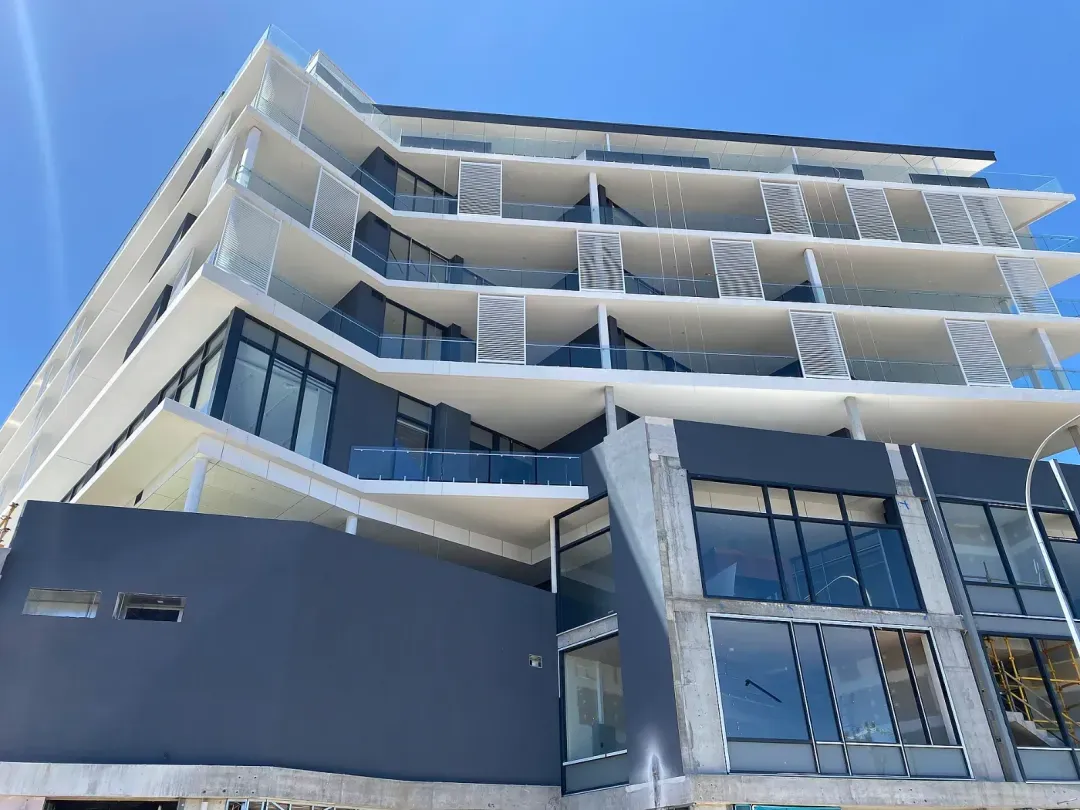
A new apartment building on Newcastle Street in the City of Vincent
Plate 01New apartments, Vincent
Base
Osborne Park, Perth
Where we work
Perth and regional WA cities & towns
Decision-makers
Local governments, Development Assessment Panels and the WAPC
Framework
ACT Planning and Development Act 2005REG Local Planning Schemes Regulations 2015SPP 7.3 Residential Design Codes
01When you need us

Development applications that are right first time

Statutory planning is where development gets approved or delayed. Getting a development application right first time avoids weeks of back-and-forth with the assessing officer.

We structure each application correctly, address the planning policies that apply, anticipate what the referral agencies will need and present a clear case to the decision-maker. Every application is built on the local planning scheme, the R‑Codes and the local planning policies that apply to the site, for residential, commercial, mixed‑use and industrial projects of every scale across Perth and regional WA.

  • Homeowners
  • Landowners
  • Builders
  • Developers
  • Investors
Before you design

Pre-lodgement advice & due diligence

For landowners, developers and investors who want a clear picture of what a site can accommodate before committing to a design.

  • What the zoning and density code allow
  • Lot yield assessments of maximum development potential
  • Risks identified before the application is lodged
  • Pre-lodgement meetings with the local government
Planning due diligence
  • New buildings & additions

    Single dwellings, duplexes and multi-unit housing, mixed-use, commercial and industrial development, and minor works such as sheds, patios and retaining walls where the local scheme needs approval for them.

  • Varying the R‑Codes

    A design that does not meet a deemed-to-comply provision for setbacks, building height, site cover or open space is assessed against the design principles instead.

  • A new use or a new zone

    A change of use needs a planning justification against the zoning and land use permissibility. Rezoning needs an amendment to the local planning scheme.

  • Larger & significant projects

    Development of $2 million or more can opt in to a Development Assessment Panel, and significant development can be decided by the WAPC.

Heritage-listed place?

Lodging a development application for a heritage-listed place? We prepare the heritage impact statement alongside the application. Trace Planning is a division of Trace Enterprises, so Trace Archaeology and Trace Ecology can step in when a DA needs heritage assessments or environmental surveys.

02Statutory services

Development applications, R‑Code assessments, rezoning & representation

Four specialisations cover our statutory planning work, from minor works to projects decided by a Development Assessment Panel.

TP · 02.1Development

Development applications

We prepare and lodge development applications for residential, mixed‑use, commercial and industrial projects across Perth and regional WA, built on the local planning scheme, the R‑Codes and local planning policies.

  • Pre-lodgement consultation to identify risks
  • Planning reports and statutory documentation
  • Liaison with council planners and referral agencies
  • Submissions that minimise requests for further information
Homes
Single dwellings, duplexes and multi-unit developments, within the R‑Code and local planning scheme framework
Mixed
Mixed-use developments combining residential, commercial and retail uses
Business
Retail, office, warehouse and industrial, including traffic, car parking and environmental compliance
Minor
Sheds, pergolas, retaining walls, carports, decking and patios
Development approval in WA
TP · 02.2R‑Codes

R‑Code assessments & variations

The R‑Codes govern lot sizes, setbacks, building height, site cover and open space. We assess single dwellings, duplexes and multi-unit developments at every density code and find compliance issues before lodgement. Where a variation is sought, a Performance-Based Assessment report argues the case against the relevant design principles.

  • Pre-lodgement assessment
  • Variation justification reports
  • Council negotiation and representation
  • Compliance documentation
R‑Codes explained
TP · 02.3Zoning & use

Rezoning & change of use

Rezoning, for example from residential to commercial, or to a higher density for future subdivision, needs a local planning scheme amendment involving the local government, the WAPC and the Minister for Planning. A change of use needs a planning justification against the zoning and land use permissibility.

  • Feasibility and options advice
  • Justification reports
  • Stakeholder consultation
  • Scheme amendment preparation and lodgement
  • Management through to decision
Rezoning & scheme amendments
TP · 02.4Advocacy

Client representation & advocacy

We represent clients in pre-lodgement meetings and submissions, before Development Assessment Panels and at council meetings, and through public submission processes, with evidence-based planning arguments.

  • Planning dispute resolution
  • Stakeholder and community consultation
  • Complex statutory and strategic advice
  • Objections and scheme amendment challenges
Talk to a town planner

Panel applications

For larger and complex proposals: pre-lodgement consultation through to the panel meeting, planning reports, coordination of the technical consultants, and representation before the Development Assessment Panel where required.

Condition management

After approval, we track and clear development approval conditions, coordinating with service providers, the local government and referral agencies.

Heritage & ecology

When a DA needs a heritage assessment or an environmental survey, our Trace Archaeology and Trace Ecology teams can step in.

03Who decides / Decision pathway

Who decides your development application

In WA, the decision-maker depends on the scale and type of development. Knowing which pathway applies sets the programme and the evidence the application needs from the start.

Decision pathwayDevelopment applications in WA
YOURDEVELOPMENTAPPLICATIONMOST APPLICATIONSLocal governmentAssessed against the local planningscheme, R-Codes & local policies60 days90 if advertisedor referredOPT-IN · $2 MILLION OR MOREDevelopment Assessment PanelMetro InnerMetro OuterRegional$2m+Opt-inpathwaySIGNIFICANT DEVELOPMENTWAPC · Part 11BWestern Australian Planning Commission,Planning & Development Act 2005120 daysfrom acceptancefor assessmentDECISIONThe decisionApproved, approved withconditions, or refusedRefusal or unworkable conditionsREVIEWState AdministrativeTribunalApply within 28 days
YOUR DEVELOPMENT APPLICATIONMOST APPLICATIONSLocal governmentAssessed against the local planningscheme, R-Codes & local policies60 days · 90 if advertised or referredOPT-IN · DAPDevelopment Assessment PanelMetro InnerMetro OuterRegionalOpt-in · development of $2m or moreSIGNIFICANT DEVELOPMENTWAPC · Part 11BWestern Australian Planning Commission,Planning & Development Act 2005120 days · from acceptanceDECISIONThe decisionApproved, approved with conditions, or refusedRefusal or unworkable conditionsREVIEWState Administrative TribunalApply within 28 days of the decision
Statutory periodsThe clock can pause while further information is provided
R‑Code assessment

Deemed-to-comply or design principles

Each element of a residential design is checked against the R‑Codes. Where it meets the deemed-to-comply provisions, it is deemed to comply with the design principles. Where it does not, a variation is sought and the element is assessed against the design principles.

That second path is where a Performance-Based Assessment report does its work: it sets out how the design meets the relevant design principles, so the assessing officer has a clear basis to support it.

R‑Codes explained: R20 to R40
YOUR DESIGNMeetsVariesDeemed-to-complyMeets the setprovisionsDesign principlesA variation issoughtDeemed to complywith the designprinciplesPERFORMANCE-BASEDASSESSMENT REPORTWhere Trace Planning fits
04How a DA runs

From pre-lodgement advice to cleared conditions

Most development applications follow the same line. Not every project needs every step, and we will tell you which ones yours does.

  1. Stage 01

    Pre-lodgement advice

    What the site can accommodate under the zoning, the density code and local policy, with risks identified and, where it helps, a pre-lodgement meeting with the local government.

  2. Stage 02

    Application & planning report

    The planning report and statutory documentation, with the R‑Code assessment and any justification, coordinated with your architect and technical consultants.

    • Most applicationsThe local government
    • Opt-in or significantA DAP, or the WAPC under Part 11B
  3. Stage 03

    Assessment

    Referrals, advertising and requests for further information. We liaise with the council planners and referral agencies, and represent you at council meetings or before a panel where needed.

  4. Stage 04

    Decision & conditions

    Conditions tracked and cleared with the local government, service providers and referral agencies. If the application is refused or a condition is unworkable, you can apply to the State Administrative Tribunal within 28 days.

05Planning framework

The legislation & policy a development application is assessed against

Development approval in WA rests on layers: the Act and its regulations, region and local planning schemes, and State planning policies. These are the instruments our applications and reports are written against.

  • WA ActPlanning and Development Act 2005The principal planning law. It covers development control, local planning scheme amendments, the Part 11B significant development pathway and review of decisions by the State Administrative Tribunal.
  • WA RegulationPlanning and Development (Local Planning Schemes) Regulations 2015The deemed provisions in Schedule 2 form part of every local planning scheme in WA. They set out when development approval is needed, the exemptions, and how applications are advertised, assessed and decided.
  • WA RegulationPlanning and Development (Development Assessment Panels) Regulations 2011Development Assessment Panels. Since 1 March 2024 they have been opt‑in for development of $2 million or more, through three panels: Metro Inner, Metro Outer and Regional.
  • Region SchemeMetropolitan Region SchemeThe legal basis for planning in the Perth metropolitan region, dividing it into broad zones and reservations. Local planning schemes must be consistent with it.
  • State PolicyState Planning Policy 7.3 Residential Design CodesThe R‑Codes, with deemed-to-comply provisions and design principles. Draft R‑Codes were released on 24 October 2026 and are open for comment until 26 February 2027. The current R‑Codes apply until changes are adopted.
  • State PolicyState Planning Policy 7.0 Design of the Built EnvironmentThe lead policy of Design WA, which guides built form and design quality alongside local design guidelines.
  • LocalLocal planning schemes & local planning policiesEach local government's scheme sets zoning, land use permissibility and density codes, supported by local planning policies, structure plans and local development plans.

Heritage-listed places and the clearing of native vegetation are covered by separate laws, and our Trace Archaeology and Trace Ecology teams advise on them. Our guide to development approval in WA explains statutory periods, DAPs and reviews.

08Questions

Questions about development applications

Short answers to the questions landowners and builders ask first. If yours is not here, call us on (08) 9446 6185.
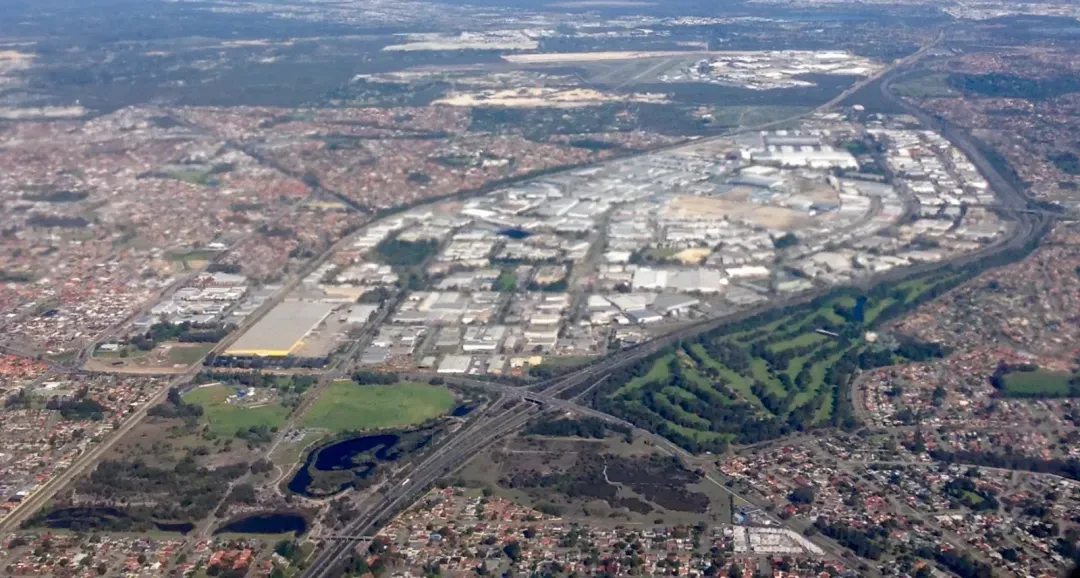
Industrial and commercial buildings across Canning Vale, seen from the air
Plate 02Industrial & commercial, Canning Vale
Who decides my development application?
Most development applications are decided by the local government. Development of $2 million or more can opt in to a Development Assessment Panel, one of three since 1 March 2024: Metro Inner, Metro Outer and Regional. Significant development can be decided by the Western Australian Planning Commission (WAPC) under Part 11B of the Planning and Development Act 2005.
How long does a development application take?
The local government has a statutory period of 60 days, or 90 days if the application is advertised or referred. Significant development decided by the WAPC under Part 11B has 120 days. These are statutory periods, not forecasts, and the clock can pause while further information is provided. Development approval in WA explains the process.
What if my design does not meet the R‑Codes?
Where an element does not meet a deemed-to-comply provision, a variation can be sought and the element is assessed against the relevant design principles instead. We prepare a Performance-Based Assessment report that sets out how the design meets them. See R‑Codes explained.
Can I challenge a refusal or a condition?
Yes. You can apply to the State Administrative Tribunal for a review, and the application must be made within 28 days of the decision. We advise on review rights and planning disputes.
Do I need approval for a change of use?
It depends on the zoning and on whether the new use is permitted under the local planning scheme. Where approval is needed, the application needs a planning justification against the zoning and land use permissibility. See Change of use approval in WA.
What do the October 2026 draft R‑Codes mean for my application?
On 24 October 2026 the State Government released draft R‑Codes for consultation. Consultation closes on 26 February 2027, and the current R‑Codes apply until changes are adopted.
Do you work outside Perth?
Yes. Trace Planning works across Perth and in regional cities and towns throughout Western Australia. We work only in WA.

Every development application starts with the right advice

Whether you need a development application, an R‑Code assessment or rezoning advice, Trace Planning is ready to help. Talk to our team today, with no obligation.