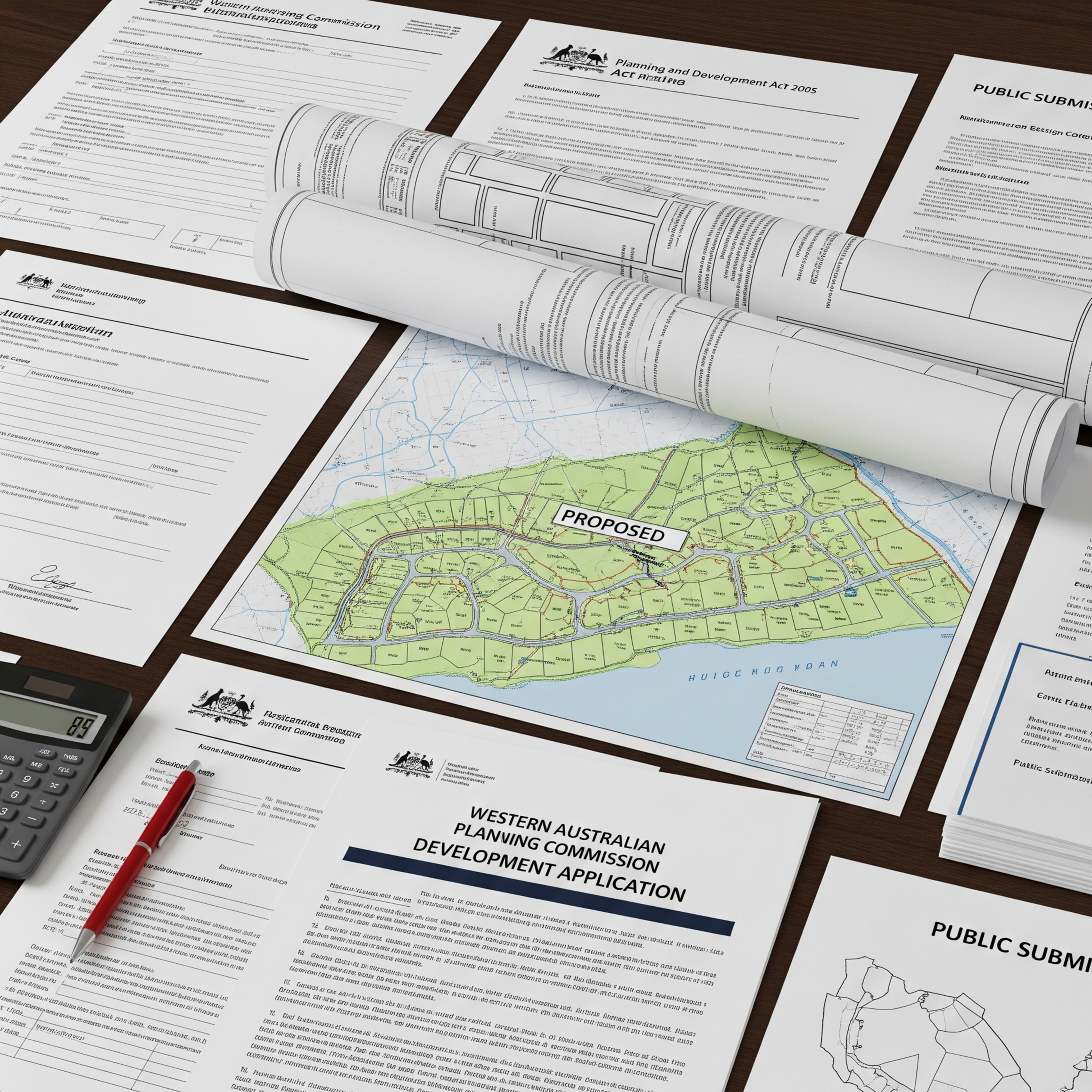
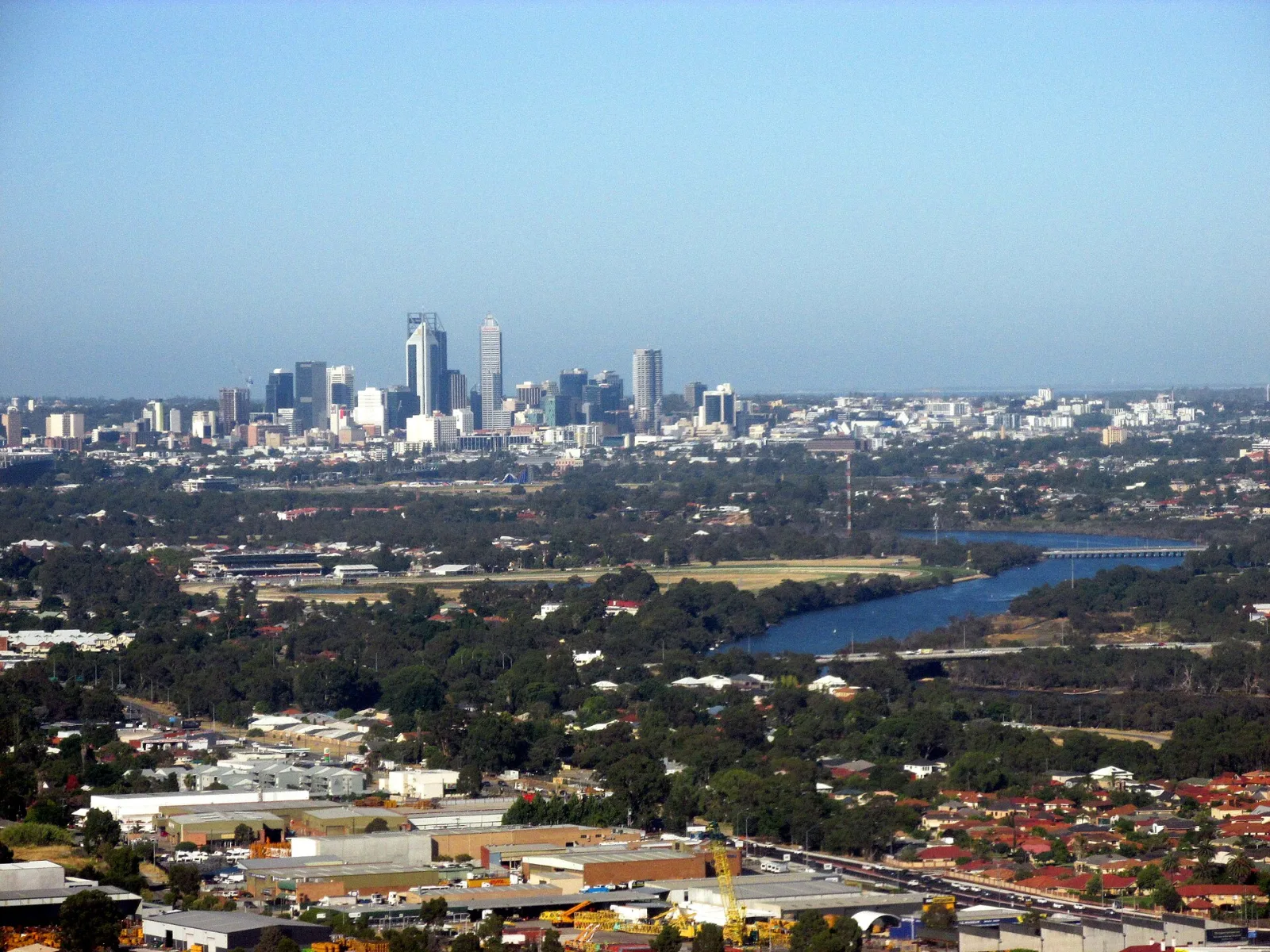
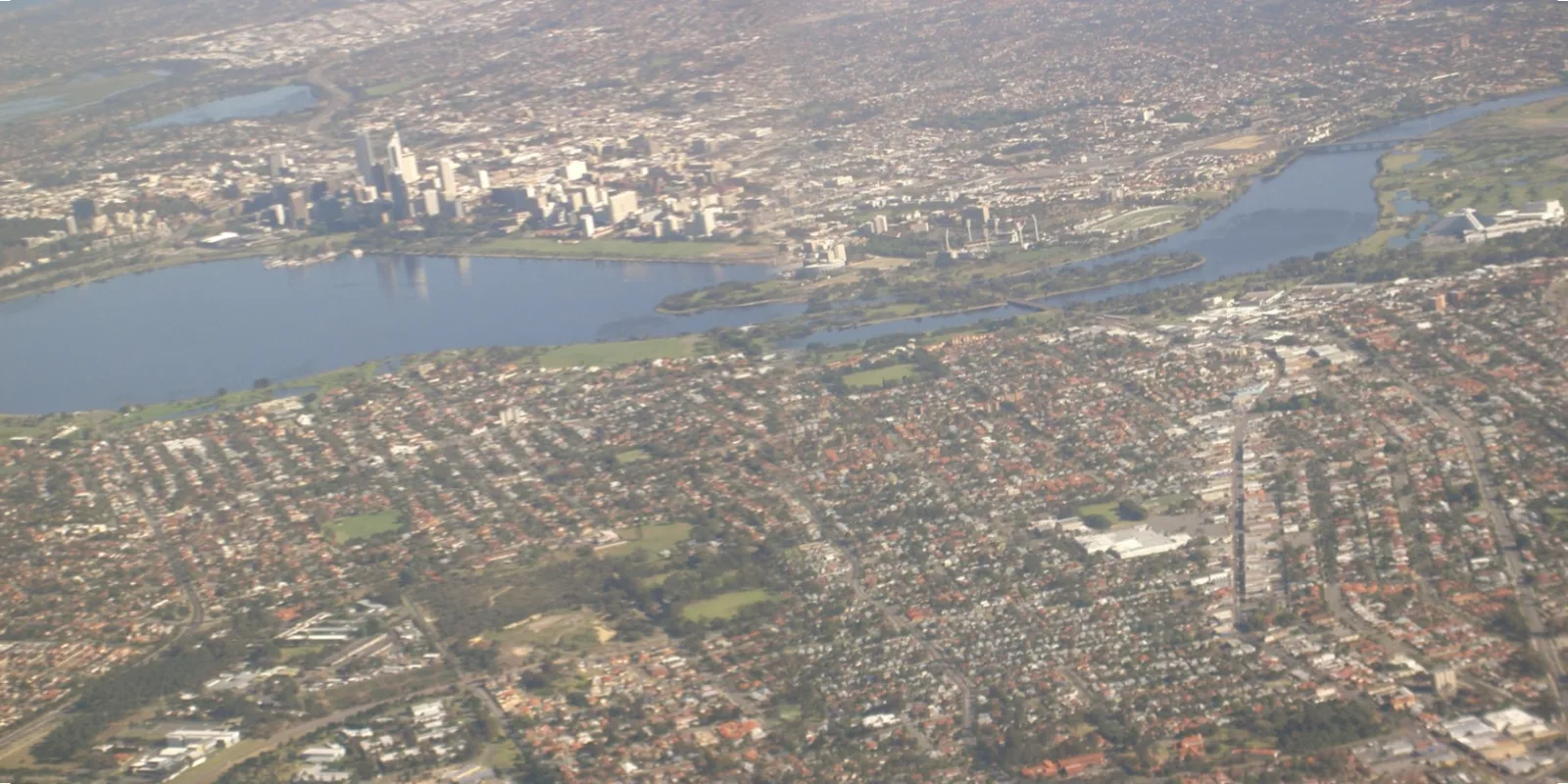
Local governments in WA plan land use through local planning schemes. The scheme map gives land a zone or reserve, and the scheme text sets out what can happen in each. When a landowner wants to use land in a way its current zoning does not allow, the usual path is a scheme amendment, commonly called a rezoning. Amendments can also change the scheme text, for example to add a use to a zone or change a density code.
Who can start a scheme amendment?
Under section 75 of the Planning and Development Act 2005 (WA), a local government may amend its scheme, either by preparing its own amendment or by adopting, with or without modifications, an amendment proposed by owners of land in the scheme area. Either way, the amendment has no effect until the Minister for Planning approves it and it is published in the Government Gazette.
So a landowner who wants land rezoned asks the local government to adopt a proposed amendment, and the council decides by resolution whether to proceed.
Region schemes in Perth
In the Perth metropolitan region, local planning schemes must be consistent with the Metropolitan Region Scheme (MRS), which divides the region into broad zones and reservations. If a proposal does not fit the MRS zoning, an MRS amendment may also be needed. MRS amendments are a separate process: the Western Australian Planning Commission (WAPC) considers submissions and makes a recommendation to the Minister for Planning.
The three types of amendment
The Planning and Development (Local Planning Schemes) Regulations 2015 (WA) sort every amendment into one of three types: basic, standard or complex. When the council resolves to prepare or adopt an amendment, its resolution must state which type the amendment is likely to be and why (regulation 35). The type sets the level of consultation and the statutory periods that apply.
- Basic amendments are administrative or alignment changes, such as correcting an administrative error or aligning the scheme with the model provisions, another Act or a State planning policy. A basic amendment must also not need EPA assessment.
- Standard amendments include changes consistent with the objectives of the zone or reserve, with a local planning strategy endorsed by the WAPC, or with a region planning scheme. Any amendment that is not basic or complex is standard.
- Complex amendments include changes inconsistent with an endorsed local planning strategy, changes not addressed by any local planning strategy, development whose scale or impact is significant relative to development in the locality, and amendments dealing with development contribution plans.
If a landowner requested the amendment and thinks the council has given it the wrong type, the landowner can ask the WAPC for advice. If the WAPC advises that it is likely to be a different type, the local government must amend its resolution (regulation 36).
| Type | What it covers | Advertising period | Who decides |
|---|---|---|---|
| Basic | Administrative and alignment changes that do not need EPA assessment | Not advertised, unless the Minister directs | Minister for Planning, on WAPC recommendation |
| Standard | Changes consistent with zone objectives, an endorsed local planning strategy or the region scheme, with minimal wider impact | 42 days, once the Minister approves advertising | Minister for Planning, on WAPC recommendation |
| Complex | Changes inconsistent with or not covered by the local planning strategy, or of significant scale or impact | 60 days, once the Minister approves advertising | Minister for Planning, on WAPC recommendation |
In short, the further an amendment departs from the endorsed local planning strategy, the longer the statutory advertising period, but the Minister for Planning makes the final decision on all three types.
Step 1: council resolution and EPA referral
Once the council resolves to prepare or adopt an amendment, section 81 of the Act requires the local government to refer it to the Environmental Protection Authority (EPA) as soon as practicable, unless it falls within a class exempted from referral. The EPA then decides whether the amendment should be assessed under the Environmental Protection Act 1986 (WA).
If the EPA requires an environmental review, the amendment cannot be advertised until the review has been forwarded to the EPA and the EPA confirms it complies, or 30 days pass without a response (section 82). Where a landowner requested the amendment and wants it to proceed, the owner is to carry out the review, and the local government can recover its expenses.
Step 2: approval to advertise
Since 1 August 2023, section 83A of the Act has required a local government to submit a proposed scheme amendment to the Minister for approval before advertising it. The Minister can approve it for advertising, require changes and resubmission, or refuse. If advertising is refused, the local government cannot proceed with the amendment. A Department of Planning, Lands and Heritage fact sheet notes that the Act sets no statutory timeframe for this decision.
- Complex and standard amendments: the local government gives the amendment to the WAPC within 21 days of its resolution to seek approval to advertise. The WAPC then has 60 days (complex) or 42 days (standard) to send it to the Minister with a recommendation.
- Basic amendments: these are not advertised, so no approval to advertise is needed (regulation 57).
Step 3: advertising and submissions
Once advertising is approved, the local government publishes a notice and the amendment. Regulation 76A requires publication on the local government's website, a copy for inspection where reasonably practicable, and a newspaper notice where the local government considers it appropriate. Affected public authorities also receive the notice.
The statutory submission period runs from the day the notice is published:
- 60 days for a complex amendment (regulation 38).
- 42 days for a standard amendment (regulation 47).
The WAPC can approve a longer submission period.
Step 4: council considers submissions
After advertising closes, the council must consider the submissions and resolve to support the amendment, support it with modifications to address the submissions, or not support it. For a complex amendment, the consideration period generally ends 90 days after the submission period closes. For a standard amendment, it is 60 days (regulations 41 and 50). These periods can run later where an EPA statement is received or the WAPC approves a later date.
Where modifications are advertised, the regulations set a submission period of 42 days for complex amendments and 21 days for standard amendments (regulations 42 and 51). The local government then has 21 days to give the amendment, the submissions and its resolution to the WAPC.
Step 5: WAPC recommendation and the Minister's decision
The WAPC considers the amendment and submissions and reports to the Minister within 90 days for a complex amendment or 60 days for a standard amendment (regulations 45 and 55).
Basic amendments follow a shorter path. The local government gives the amendment to the WAPC within 28 days of its resolution, or within seven days of the EPA advising that it should not be assessed. The WAPC then has 42 days to consider it and submit it to the Minister. The WAPC can direct that it be treated as standard or complex, and the Minister can direct advertising if it is considered significant (regulations 58 to 61).
Under section 87, the Minister may approve the amendment, require modifications or refuse it. Where modifications are required, the local government has 42 days to make them and give the amendment to the WAPC, which then resubmits it to the Minister (regulation 63). If the amendment is refused, the local government must notify the people who made submissions (regulation 62). An approved amendment takes effect once it is published in the Gazette.
| Step | Standard | Complex |
|---|---|---|
| Local government sends the amendment to the WAPC after its resolution | 21 days | 21 days |
| WAPC recommends to the Minister on advertising | 42 days | 60 days |
| Advertising (submission period) | 42 days | 60 days |
| Council considers submissions after advertising closes | 60 days | 90 days |
| Local government sends documents to the WAPC after its resolution on submissions | 21 days | 21 days |
| WAPC reports to the Minister | 60 days | 90 days |
These are statutory periods for individual steps, not a guide to how long an amendment will take overall. Several can be extended, and EPA assessment, modifications and readvertising add further steps.
The rules change: check the current version
The amendment rules have changed over time, including changes that commenced on 1 March 2024, which added approval to advertise steps to the regulations and revised the process for basic amendments. This guide reflects the regulations as at 6 October 2026, so check the current version on the WA Legislation website before relying on any step or period.
How Trace Planning helps
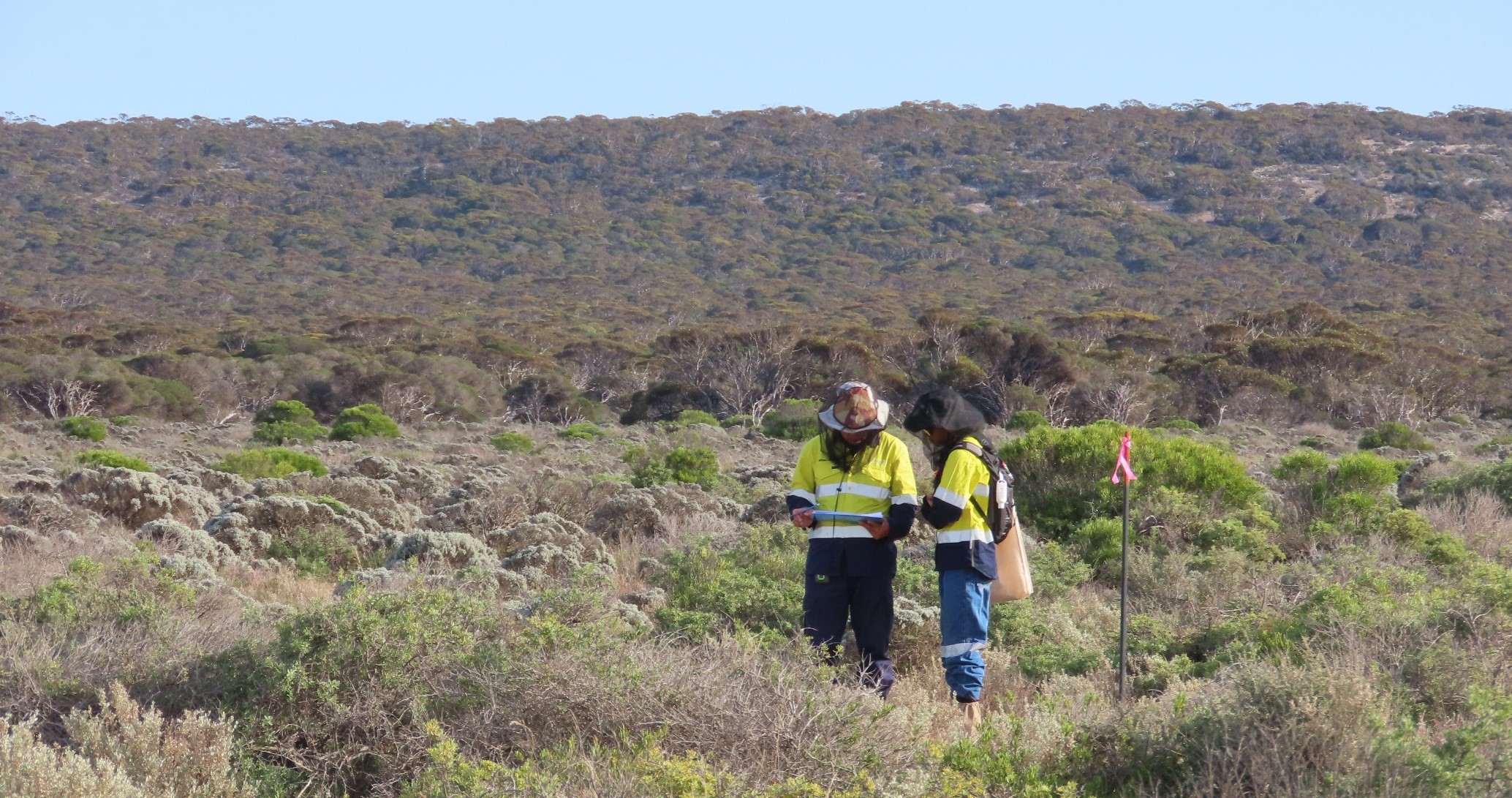
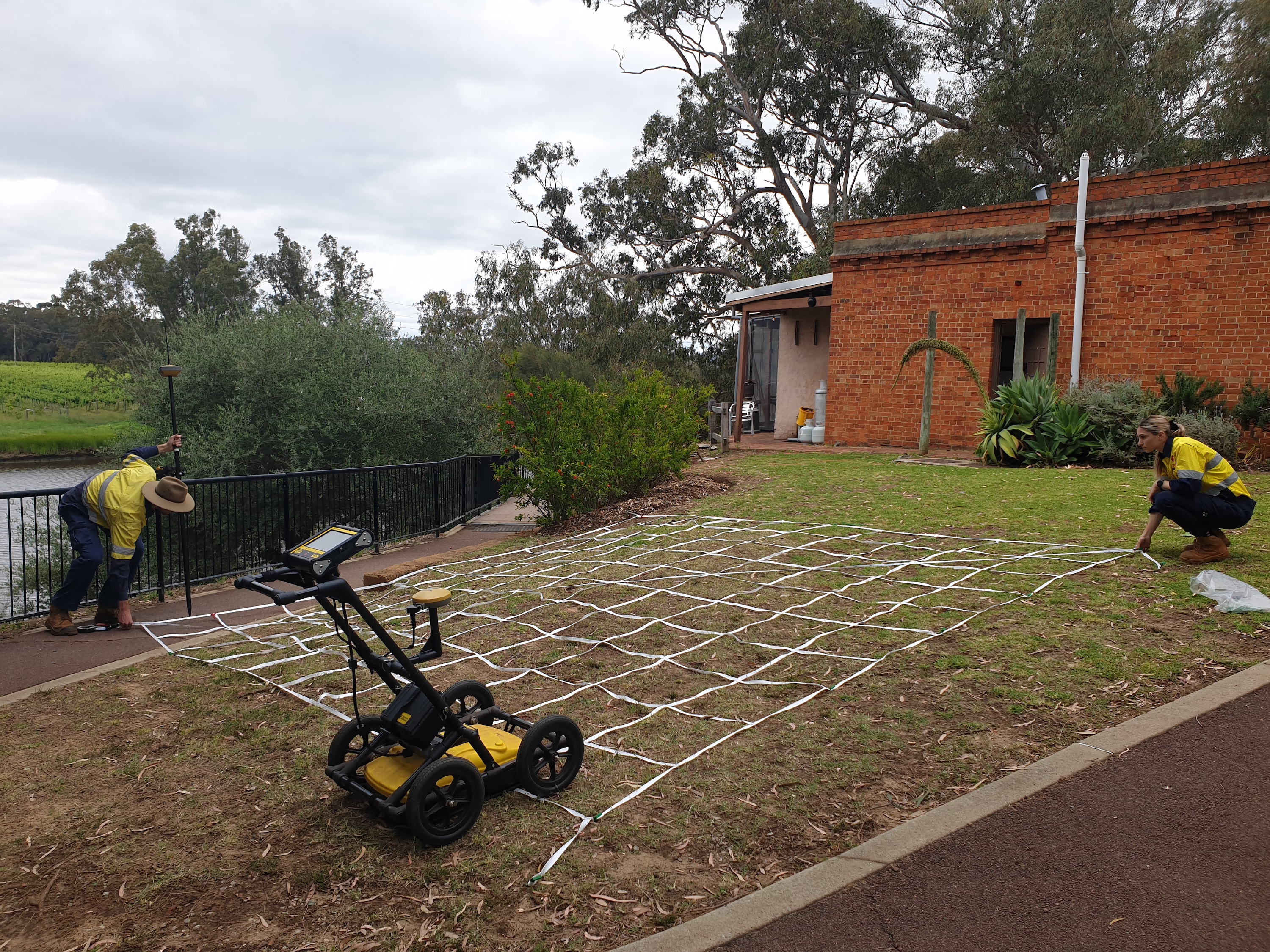
Trace Planning, part of Trace Enterprises, advises landowners on scheme amendments. We can review the zoning, local planning strategy and region scheme for your land, prepare the amendment request and supporting report, and liaise with the local government and the Department through each step. Trace Archaeology and Trace Ecology can look at constraints such as Aboriginal heritage and native vegetation alongside the planning work. See our strategic planning services and our wider town planning services in Perth.
A rezoning changes what the scheme allows, but subdividing or developing the land still needs its own approvals. For related reading, see R-Codes explained: R20 to R40 and our step-by-step guide to subdivision in WA. To talk about your land, contact us.
Frequently asked questions
How long does rezoning take in WA?
There is no single timeframe. The regulations set statutory periods for each step, such as 42 days of advertising for a standard amendment and 60 days for a complex one, but the overall time depends on the amendment type, EPA referral, submissions, any modifications and the Minister's decision. Some steps, including the Minister's decision on advertising, have no statutory timeframe.
Who approves a rezoning in WA?
The council resolves to prepare or adopt the amendment and considers submissions, the WAPC makes a recommendation, and the Minister for Planning decides whether to approve it. The amendment takes effect when published in the Government Gazette.
Does a scheme amendment have to be advertised?
Standard and complex amendments are advertised once the Minister approves advertising. Basic amendments are not advertised, unless the Minister or an authorised person directs advertising because the amendment is considered significant.
This article is general information as at November 2026, not legal advice.
References
All accessed 6 November 2026.
- Planning and Development Act 2005 (WA), consolidated version 04-af0-00, as at 19 February 2026 (Part 5, ss. 75, 81, 82, 83A, 87). legislation.wa.gov.au: Planning and Development Act 2005
- Planning and Development (Local Planning Schemes) Regulations 2015 (WA), consolidated version 01-a0-00, as at 6 October 2026 (Part 5, regs 34 to 63; reg 76A). legislation.wa.gov.au: LPS Regulations 2015
- Planning and Development (Local Planning Schemes) Amendment Regulations 2024 (WA), published 21 February 2024, commenced 1 March 2024. legislation.wa.gov.au: Amendment Regulations 2024
- Department of Planning, Lands and Heritage, Section 83A of the Planning and Development Act 2005, fact sheet (2023). wa.gov.au: section 83A fact sheet
- Department of Planning, Lands and Heritage, Planning and Development Amendment Act 2023 and Associated Regulations (last updated 3 September 2025). planning.wa.gov.au: Amendment Act 2023 and regulations
- Department of Planning, Lands and Heritage, Local planning scheme amendment flowcharts (April 2024). wa.gov.au: scheme amendment flowcharts
- Department of Planning, Lands and Heritage, Metropolitan Region Scheme (last updated 2 November 2026). wa.gov.au: Metropolitan Region Scheme
Photo credits (Wikimedia Commons): Canning Vale industrial area from the air: JarrahTree, CC BY 2.5 AU; View west over Ascot racecourse to the Perth skyline: Orderinchaos, CC BY-SA 4.0; Perth and the Swan River from the air: Bev Sykes, CC BY 2.0.