What has been released
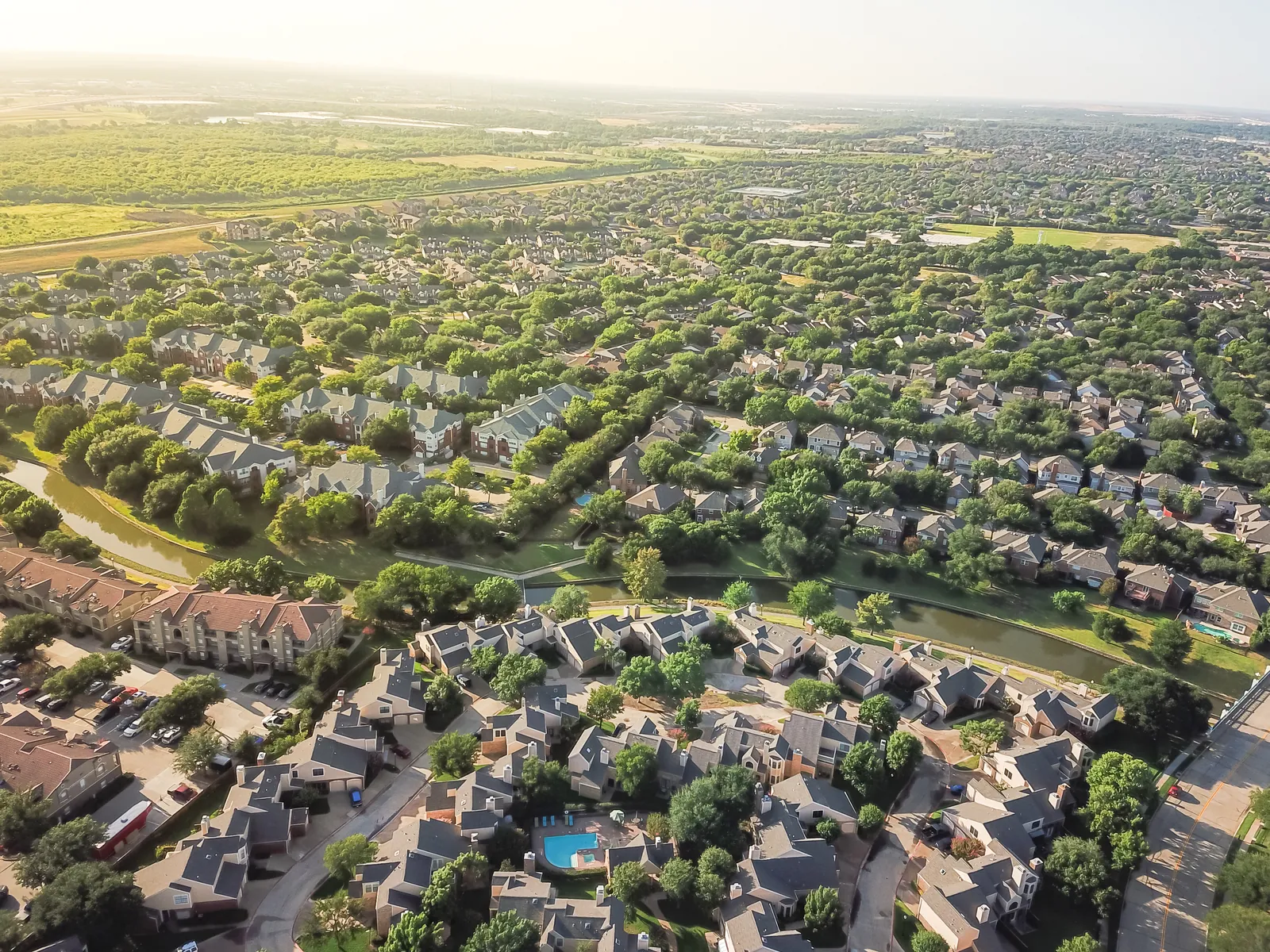
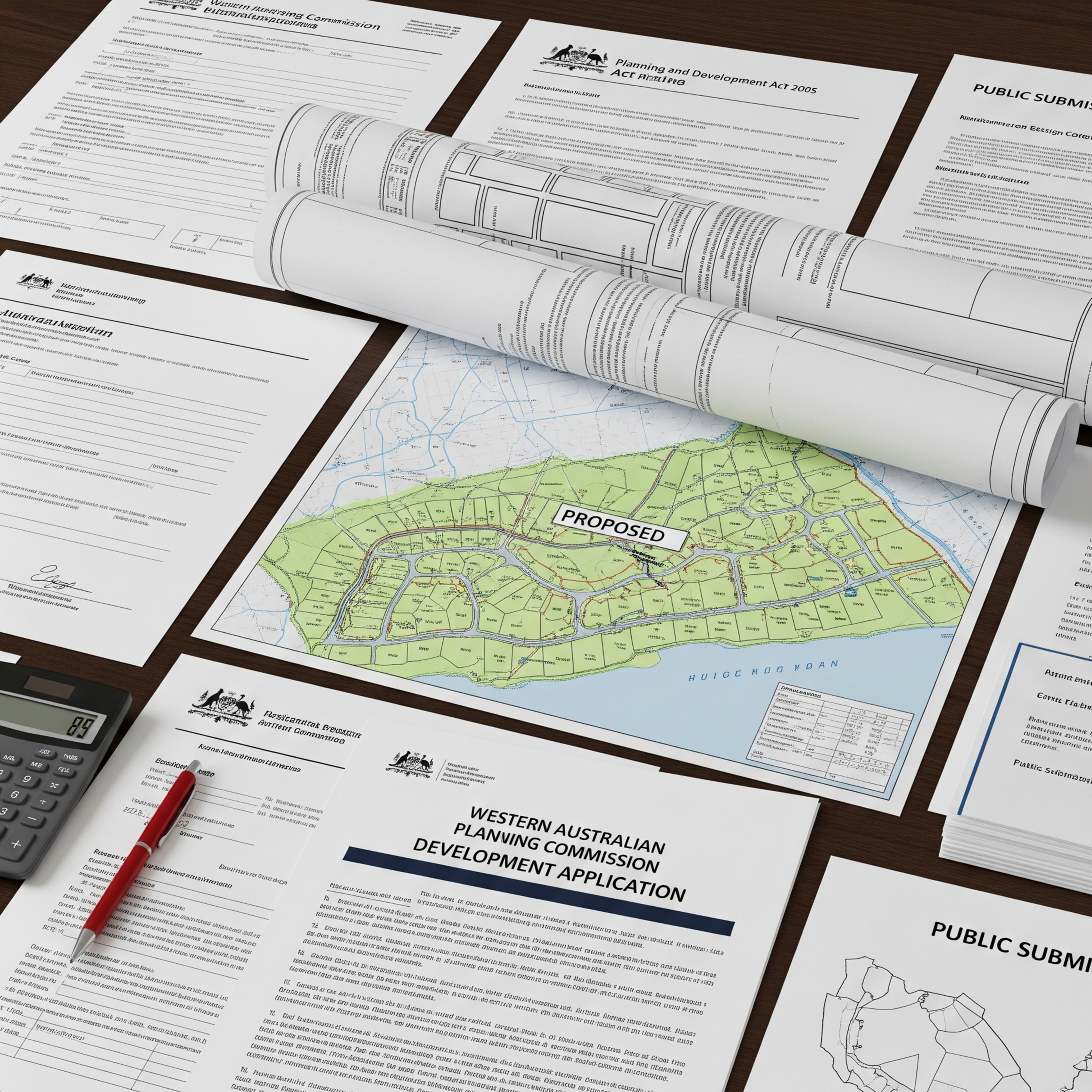
The R-Codes guide the design and development of housing across Western Australia. The draft review is published on the Department of Planning, Lands and Heritage (DPLH) Have Your Say WA website.
The draft is set out in chapters. These cover the operation of the code, single houses, grouped dwellings and apartments. The apartments chapter has two parts: R10 to R60, and R80 to R160. Appendices and explanatory guidelines are also provided.
DPLH has published a Table of Changes and five information sheets. The sheets cover the review itself, structure and usability, simpler rules for lower density development, flexibility for apartments, and lot size and density.
According to the consultation page, the proposed changes would:
- simplify and consolidate the R-Codes into a clearer framework
- reduce unnecessary complexity and streamline assessment processes
- improve consistency in how residential development is planned and assessed
- provide greater flexibility for residential subdivision and different housing types
- support well-designed density and infill in appropriate locations
- update guidance to support more consistent interpretation of the R-Codes
Operational Policy 2.2 is proposed to be repealed
A separate consultation proposes to repeal Operational Policy 2.2 Residential Subdivision (OP 2.2). This policy sets requirements for landowners subdividing residential land.
DPLH found that most OP 2.2 provisions are already covered by other operational policy or the R-Codes. Remaining content would move into a consolidated draft Operational Policy Subdivision, formerly Operational Policy 1.1. The Model Subdivision Condition Schedule would also be amended.
DPLH states that these amendments relocate existing provisions and do not introduce new subdivision requirements. Feedback on this consultation is limited to whether the relocation has been captured properly and whether any gaps remain. It closes on the same date as the R-Codes consultation.
Who it affects
The WAPC invites feedback from the community, local government, industry and other stakeholders. In practice, the draft is relevant to landowners planning a new home, extension or subdivision. It is also relevant to builders and developers working on single houses, grouped dwellings or apartments.
Local governments are named among the groups invited to comment. If you deal with your council on residential proposals, the draft may change how those proposals are prepared and assessed in future.
Key dates and how to make a submission
Submissions close at 5.00pm AWST on Friday 26 February 2027. DPLH notes that late submissions may not be considered. You can respond through:
- the Short Feedback Form, a quick survey on the key changes
- the Detailed Feedback Form, for comment on specific parts of the draft
- a written submission attached through the online form, or posted to the WAPC at Locked Bag 2506, Perth WA 6001
DPLH is also holding community pop-up sessions in several Perth suburbs in December 2026, plus an online drop-in session on 8 December 2026. Details and registration are on the consultation page.
After consultation, DPLH will review all feedback alongside technical analysis. The final draft will then go to the WAPC for determination. Subject to approval, DPLH expects the amendments to begin taking effect later in 2027.
What this means for you
For now, nothing changes for current proposals. DPLH states that development and subdivision applications continue to be assessed under the current planning framework while the review is under way.
If you are planning a project, you can read the draft now. Start with the information sheet that matches your project type, then check the Table of Changes. If you are already preparing an application, keep working to the current R-Codes and local planning framework.
A submission is most useful when it is specific. Refer to the chapter or clause and explain the practical effect on your site. Where you can, suggest a change.
For background on how density codes work today, read our guide R-Codes explained: R20 to R40.
How Trace Planning can help
Trace Planning can review the draft against your site and explain which provisions are likely to be relevant. We can also help you prepare a written submission, or plan an application under the current codes. See how we prepare planning applications, or talk to a town planner about your site.
This article is general information as at October 2026, not legal advice.
References
All accessed 25 October 2026.
- Residential Design Codes Review, Have Your Say WA, Department of Planning, Lands and Heritage, 24 October 2026, https://haveyoursay.dplh.wa.gov.au/r-codes-review
- Operational Policy 2.2 Residential Subdivision: Proposed Repeal, Have Your Say WA, Department of Planning, Lands and Heritage, 24 October 2026, https://haveyoursay.dplh.wa.gov.au/op2-2repeal
- Operational Policy 2.2 Repeal: Frequently asked questions, Department of Planning, Lands and Heritage, October 2026, https://haveyoursay.dplh.wa.gov.au/op2-2repeal/widgets/498292/faqs
- Residential Design Codes Review, Department of Planning, Lands and Heritage, WA Government, October 2026, https://www.wa.gov.au/organisation/department-of-planning-lands-and-heritage/residential-design-codes-review