
Green title vs strata in WA
What green title, survey strata and built strata mean in WA: what you own, common property, strata companies and the approval each title type needs.
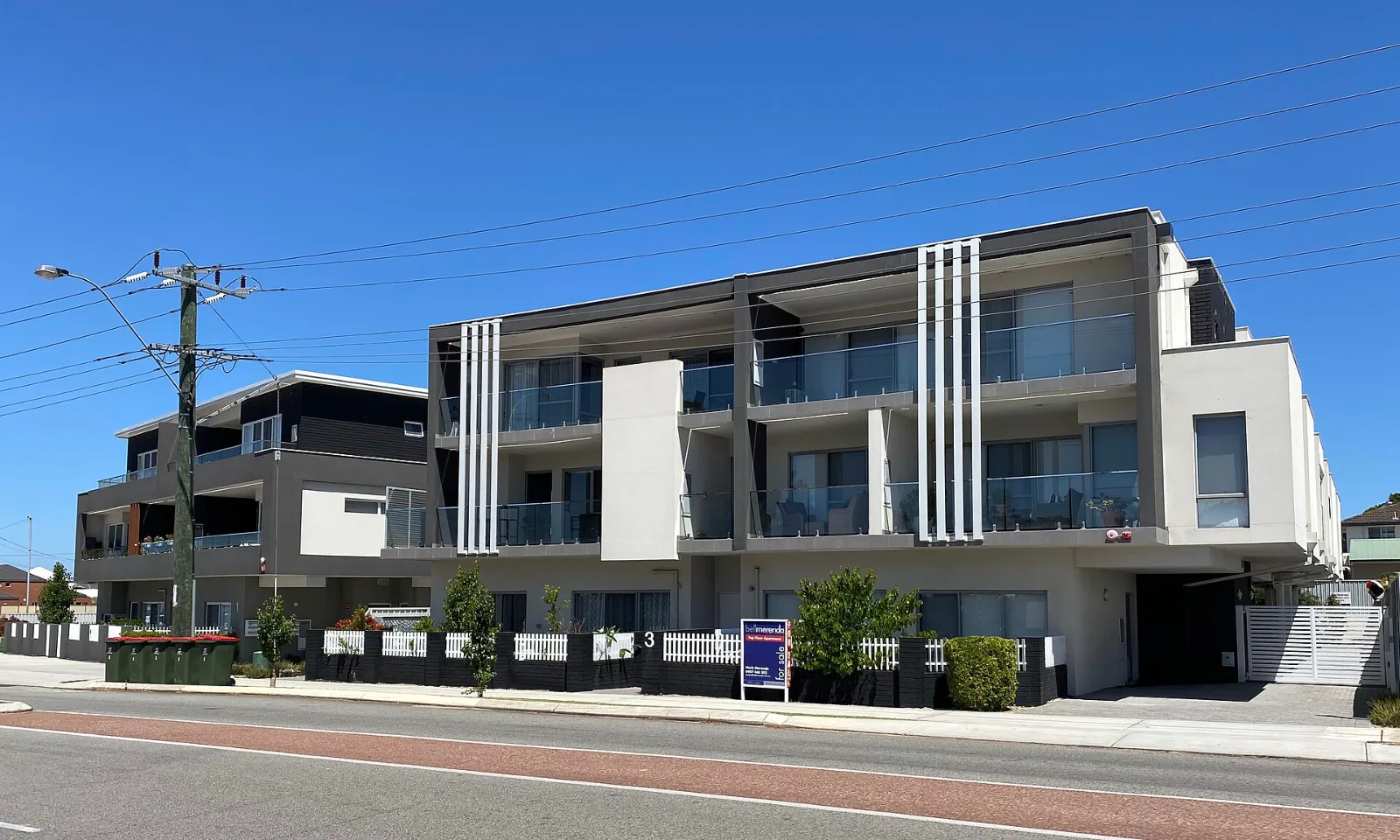
In Western Australia, most homes sit on one of three kinds of title: green title, survey strata or built strata. Each one sets out what an owner holds, what is shared with neighbours, and which rules apply once the titles are created.
This guide explains how each title type works and which approval pathway applies when land is subdivided. If you are planning a subdivision, see our subdivision services.
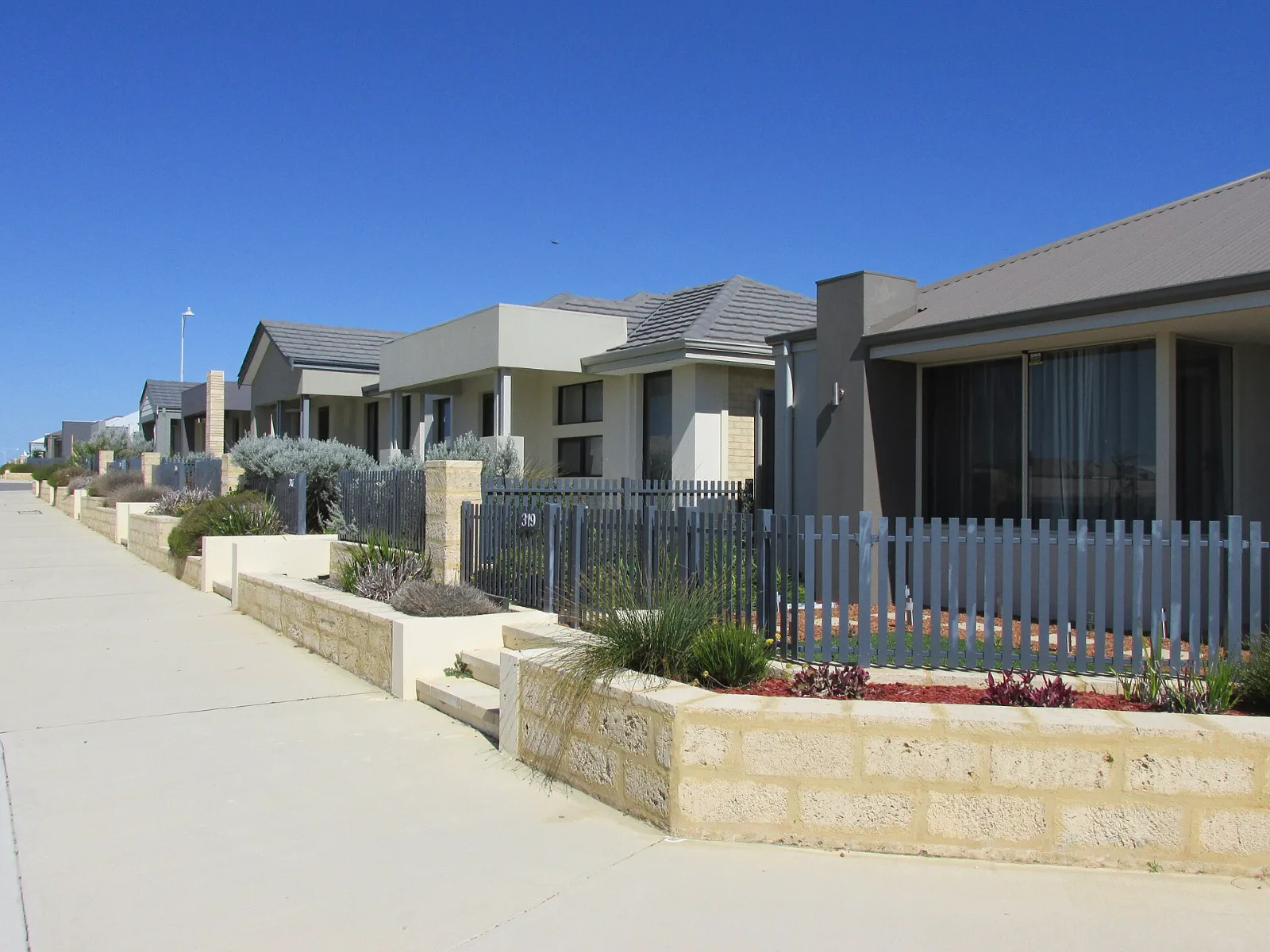
The question of survey strata vs green title usually comes down to two things: what an owner actually holds, and how the lots are created. The answers come from two Acts. Freehold (green title) land is registered under the Transfer of Land Act 1893. Strata and survey-strata schemes are created under the Strata Titles Act 1985, which was substantially amended by the Strata Titles Amendment Act 2018, with the changes commencing on 1 May 2020.
Green title meaning
"Green title" is the everyday name for freehold land that is not part of a strata titles scheme. Consumer Protection WA describes green title as the most common title in WA, covering land that generally has no common areas, along with any property on it, such as a freestanding home.
A green title lot is an individually identified parcel with its own certificate of title issued under the Transfer of Land Act 1893. That Act sets up the public register of land titles kept by the Registrar of Titles. There is no strata company, no scheme by-laws and no common property shared with other lots. Development on the lot is still controlled by the local planning scheme and, for housing, the R-Codes (see R-Codes explained).
What is survey strata?
A survey-strata scheme is a strata titles scheme where the lots are defined without reference to a building. The Strata Titles Act defines a survey-strata lot as land shown as a lot on the scheme plan. Landgate explains that the boundaries are marked out by a licensed surveyor and that no buildings are shown on a survey-strata plan.
On a plan, a survey-strata lot can look much like a green title lot. The difference is that it sits inside a scheme. In practice that means:
- a strata company is established automatically when the scheme is registered, and every lot owner is a member
- the scheme has registered scheme by-laws that owners and occupiers must follow
- if the scheme has common property, such as a shared driveway, each owner holds a share of it as a tenant in common, in proportion to the unit entitlement of their lot
The Act allows a scheme to be made up of two or more lots, or two or more lots plus common property, so not every survey-strata scheme has common property. Where it does, each area of common property on the plan has its own number.
What is built strata?
Built strata is the common name for what the Strata Titles Act calls a "strata scheme". The lots are defined by reference to a building shown on the strata plan: in the words of the Act, a lot is one or more cubic spaces forming part of the parcel. Apartments, villas and townhouses are typical examples.
Landgate's guide to strata titles explains that strata lot boundaries are shown on the floor plan, and that since 30 June 1985 a lot can also include land outside the building and the building's external surfaces. Everything in the parcel that is not inside a lot is common property. Landgate notes that common property in a built strata scheme is harder to identify because it is not separately numbered, and that many owners wrongly assume they own the whole building and its surrounds. The strata plan is the document that shows where each lot ends.
Survey strata vs green title vs built strata at a glance
The key difference is what defines the lot. A green title lot is a freehold parcel that stands on its own, a survey-strata lot is surveyed land inside a scheme, and a built strata lot is a space defined by a building. The table below sets out how that plays out.
| Feature | Green title | Survey strata | Built strata |
|---|---|---|---|
| What you own | A freehold lot of land and what is on it | A surveyed lot of land in a scheme, plus a share of any common property | One or more cubic spaces defined by a building, plus a share of common property |
| Lot defined by | Surveyed land boundaries | Surveyed land boundaries on a survey-strata plan | The building shown on the strata plan |
| Common property | None | Optional; each area has its own number | All of the parcel not inside a lot |
| Strata company and by-laws | No | Yes | Yes |
| Contributions (levies) | No | Set by the strata company | Set by the strata company |
| Main legislation | Transfer of Land Act 1893 | Strata Titles Act 1985 | Strata Titles Act 1985 |
Strata companies, by-laws and contributions
Survey strata and built strata share the same management framework under the Strata Titles Act.
The strata company
Under section 14 of the Act, a strata company is established when the scheme is registered, and it is made up of all the current lot owners. Landgate explains that the strata company does not own the common property but can deal with it as if it were the owner. Its duties are usually carried out by an elected strata council, sometimes called the council of owners.
Scheme by-laws
Scheme by-laws are either governance by-laws, which deal with how the scheme is run, or conduct by-laws, which deal with the conduct of owners and occupiers. Landgate notes that governance by-laws need a resolution without dissent and conduct by-laws a special resolution, and that by-laws only take effect once registered by the Registrar of Titles.
Contributions (levies)
Owners pay contributions, previously called levies, into funds run by the strata company, including an administrative fund and, where required or chosen, a reserve fund. Contributions are generally set in proportion to unit entitlements unless the by-laws say otherwise.
A designated strata company must have a reserve fund and a 10 year plan. Landgate describes this as a scheme with 10 or more lots or a building replacement value of more than $5,000,000. For a survey-strata scheme, regulation 79 of the Strata Titles (General) Regulations 2019 applies the $5,000,000 test to improvements on the common property.
Leasehold strata
The 2018 amendments also introduced leasehold schemes: a strata or survey-strata scheme set up for a fixed term of 20 to 99 years. Each lot has its own certificate of title, and the lessor keeps a separate title for the original parcel. Creating a leasehold scheme needs a decision by the Western Australian Planning Commission (WAPC).
Which approval does each title type need?
Green title and survey-strata subdivision are both decided by the WAPC. Most built strata applications are decided by the local government under delegation from the WAPC, and some small built strata schemes need no WAPC approval at all.
Green title and survey strata
The WAPC determines freehold, survey-strata and leasehold (survey-strata) subdivision on a Form 1A. Section 17 of the Strata Titles Act applies the subdivision provisions of the Planning and Development Act 2005 to survey-strata schemes, and Landgate notes that these applications are processed in the same manner as freehold subdivision.
Once approved, the applicant meets the conditions with the local government, public bodies and utilities, then applies for endorsement on a Form 1C. Under the WAPC's July 2026 guide, approval is valid for three years for five lots or fewer and four years for six lots or more, and titles must be applied for within two years of endorsement. Section 145A of the Planning and Development Act 2005 lets the WAPC grant one extension of two years if you apply on a Form 4A before the approval expires.
Built strata
Built strata uses a two stage process under section 15 of the Strata Titles Act: a Form 15A application for approval, then a Form 15C application for endorsement of the strata plan. The WAPC has delegated built strata decisions to all local governments, but keeps vacant strata lots, vacant air strata in multi-tiered schemes and leasehold (strata) schemes, and can call in proposals of State or regional significance. A Form 15A approval is valid for two years, with no extension. The Form 15C application includes an occupancy permit or building approval certificate under the Building Act 2011.
Under regulation 19 of the Strata Titles (General) Regulations 2019, a strata plan or amendment for a freehold scheme that gives effect to a type 3 or type 4 subdivision (as defined in the Act) is exempt from WAPC approval where the parcel is no more than 2,500 m², the lots are residential with one dwelling on each, there are no more than five lots, and the land is in a residential zone that conforms with the local planning scheme (or in a townsite where there is no scheme).
The table below summarises who decides each type of application.
| Title type | Who decides | Main steps |
|---|---|---|
| Green title (freehold) | WAPC | Form 1A application, conditions cleared, Form 1C endorsement, then titles from Landgate. Approval lasts 3 years (5 lots or fewer) or 4 years (6 lots or more), with one possible 2 year extension under section 145A. |
| Survey strata | WAPC | The same Form 1A and Form 1C process as freehold subdivision. |
| Built strata | Local government under WAPC delegation; the WAPC for vacant lots, vacant air strata, leasehold schemes and call-ins | Form 15A approval (valid 2 years), then Form 15C endorsement with an occupancy permit or building approval certificate. |
| Small built strata (regulation 19) | No WAPC approval needed | Up to 5 residential lots, one dwelling per lot, parcel up to 2,500 m², residential zone or townsite. |
Whether a site can be subdivided at all depends on its zoning, density code and other constraints. Our step-by-step guide to subdivision in Western Australia covers the wider process.
How Trace Planning helps
Trace Planning helps landowners work out which title type and approval pathway applies to a site, prepares subdivision applications, and works through conditions with the local government and servicing agencies. See our subdivision services and town planning services in Perth, or read a step-by-step guide to subdivision in Western Australia and R-Codes explained.
Questions about a particular scheme's by-laws or finances should go to the strata manager, a settlement agent or a lawyer. To talk about a site, contact us.
Frequently asked questions
What is the difference between survey strata and green title?
Both are lots of surveyed land. A green title lot is freehold land with its own title and no strata company. A survey-strata lot sits within a scheme under the Strata Titles Act 1985, so it comes with a strata company, scheme by-laws and, in many schemes, a share of common property.
Do survey strata owners pay strata levies?
Survey-strata owners are members of the strata company, which sets the contributions (previously called levies) for its funds. What is charged depends on the scheme, its common property and its by-laws.
Who approves a built strata subdivision in WA?
In most cases the local government, under delegation from the WAPC, using Forms 15A and 15C. The WAPC decides vacant lot, vacant air strata and leasehold applications, and small residential schemes that meet regulation 19 do not need WAPC approval.
Can a survey strata scheme have no common property?
Yes. The Strata Titles Act allows a scheme to be made up of two or more lots, or two or more lots and common property. The scheme plan shows what applies.
This article is general information as at October 2026, not legal advice.
References
All accessed 23 October 2026.
- Strata Titles Act 1985 (WA), consolidated version 08-a0-00, current from 26 June 2025 (sections 3, 7 to 10, 13 to 17). legislation.wa.gov.au
- Strata Titles (General) Regulations 2019 (WA), consolidated version 00-w0-00, current from 20 August 2026 (regulations 19 and 79). legislation.wa.gov.au
- Transfer of Land Act 1893 (WA), consolidated version 11-n0-02, current from 28 May 2026. legislation.wa.gov.au
- Landgate, Guide to strata titles, updated edition November 2024. landgate.wa.gov.au
- Landgate, Understanding the basics of strata (fact sheet, undated). landgate.wa.gov.au
- Landgate, STP-06 Planning Approvals, version 2, 1 May 2020. landgate.wa.gov.au
- Landgate, REG-01 The Transfer of Land Act, version 3, 30 June 2021. landgate.wa.gov.au
- Landgate, CIB 335: 1 May 2020 change to strata titles law, 9 April 2020. landgate.wa.gov.au
- Western Australian Planning Commission, Subdivision applications and fees guide, version 10.7, July 2026. planning.wa.gov.au
- Western Australian Planning Commission, Form 15A application guide, version 1.3, December 2024. planning.wa.gov.au
- Department of Planning, Lands and Heritage, Planning fact sheet: Strata Form 15 applications, collection page updated 14 December 2022. wa.gov.au
- Consumer Protection WA, Property types, updated 20 November 2024. consumerprotection.wa.gov.au
- City of Kwinana, Subdividing your property (undated web page). kwinana.wa.gov.au
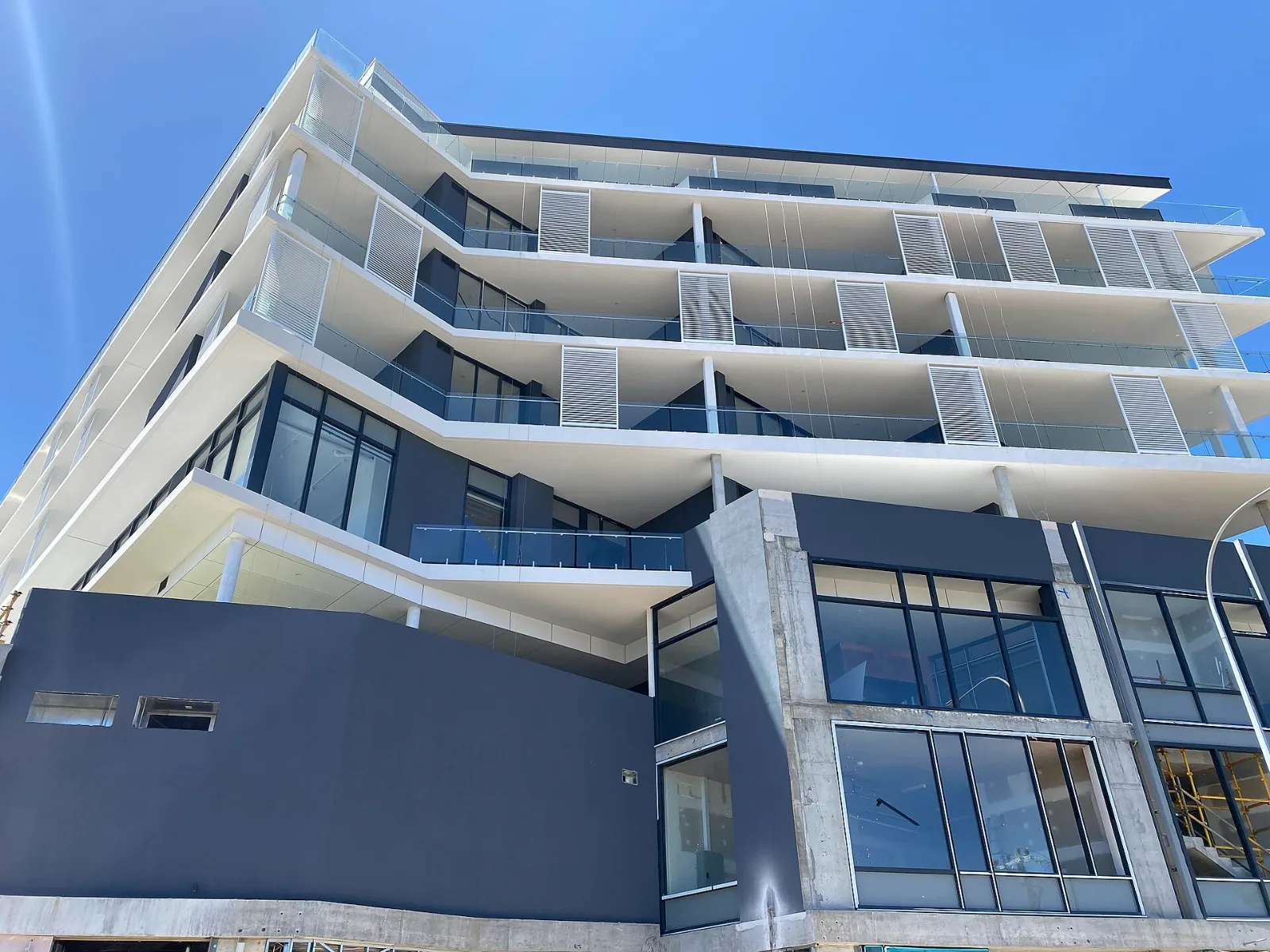
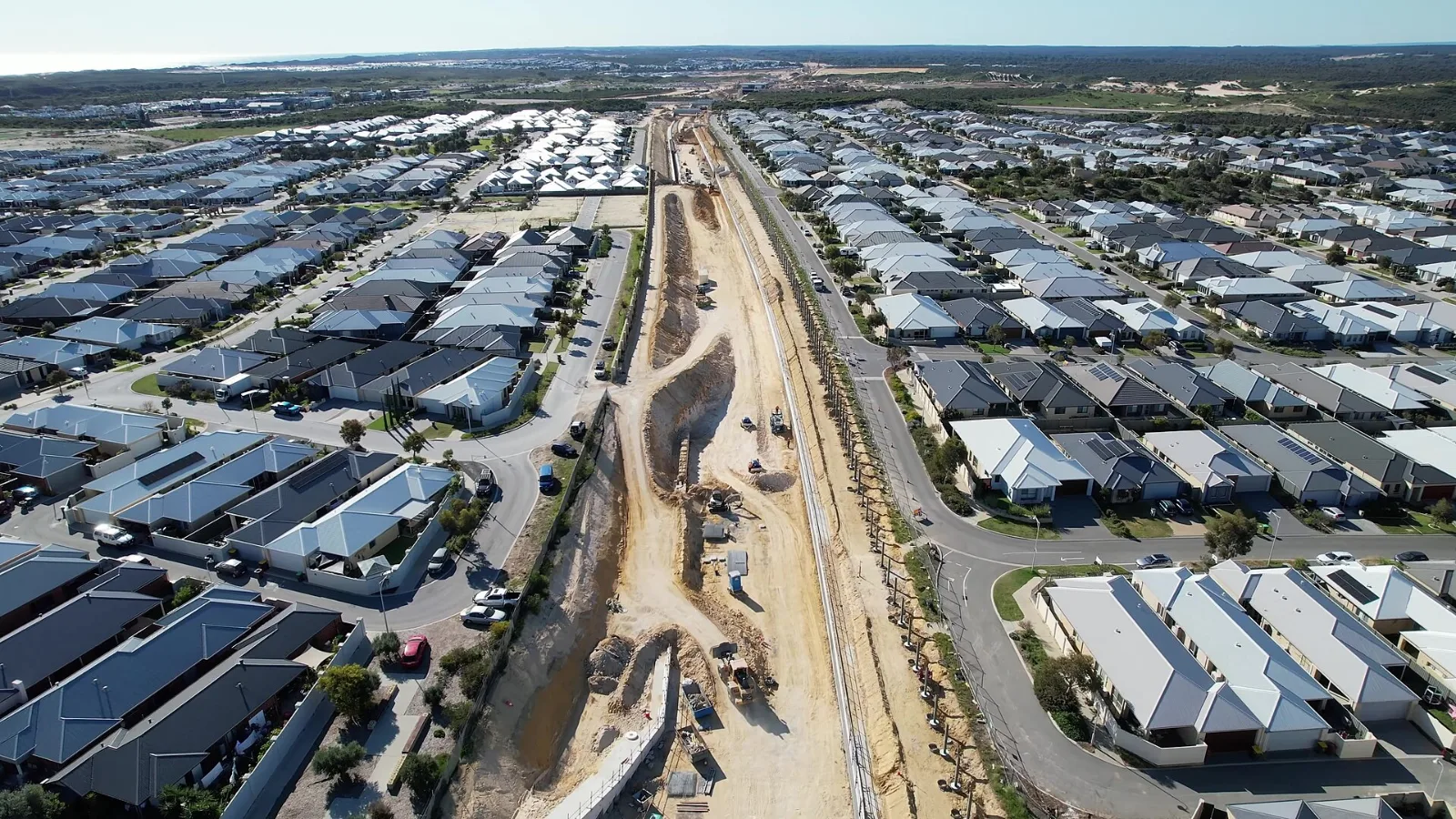
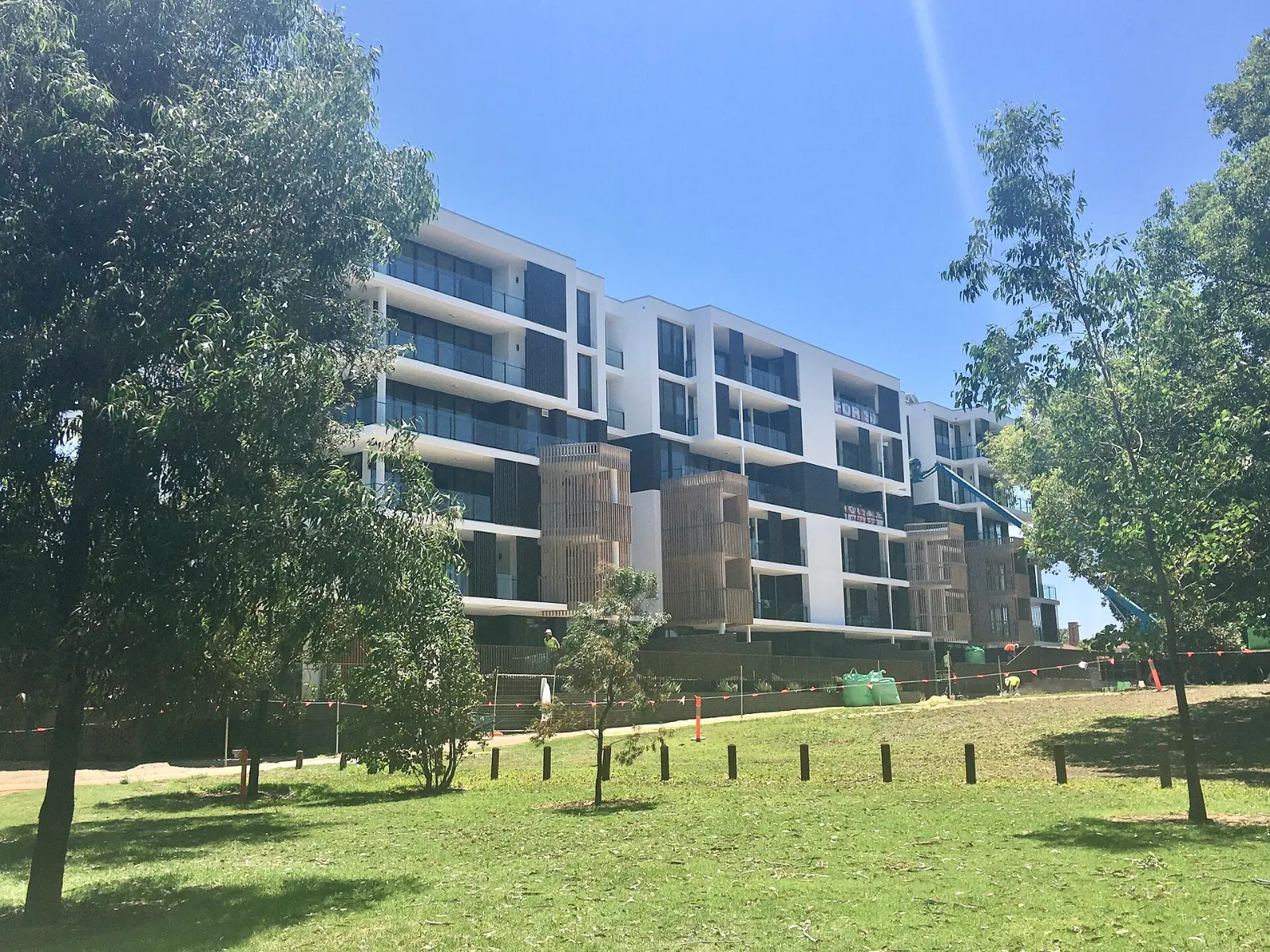
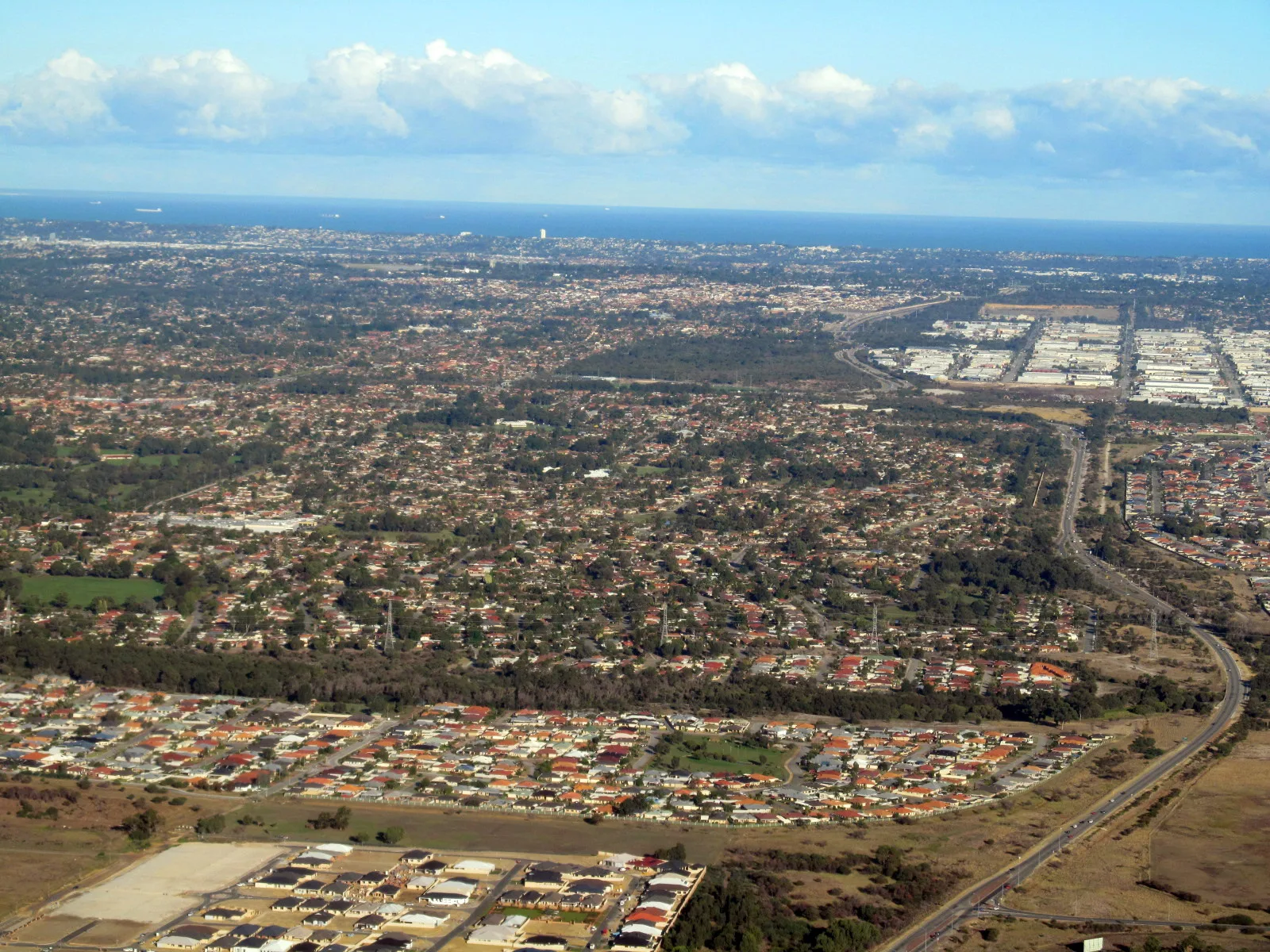
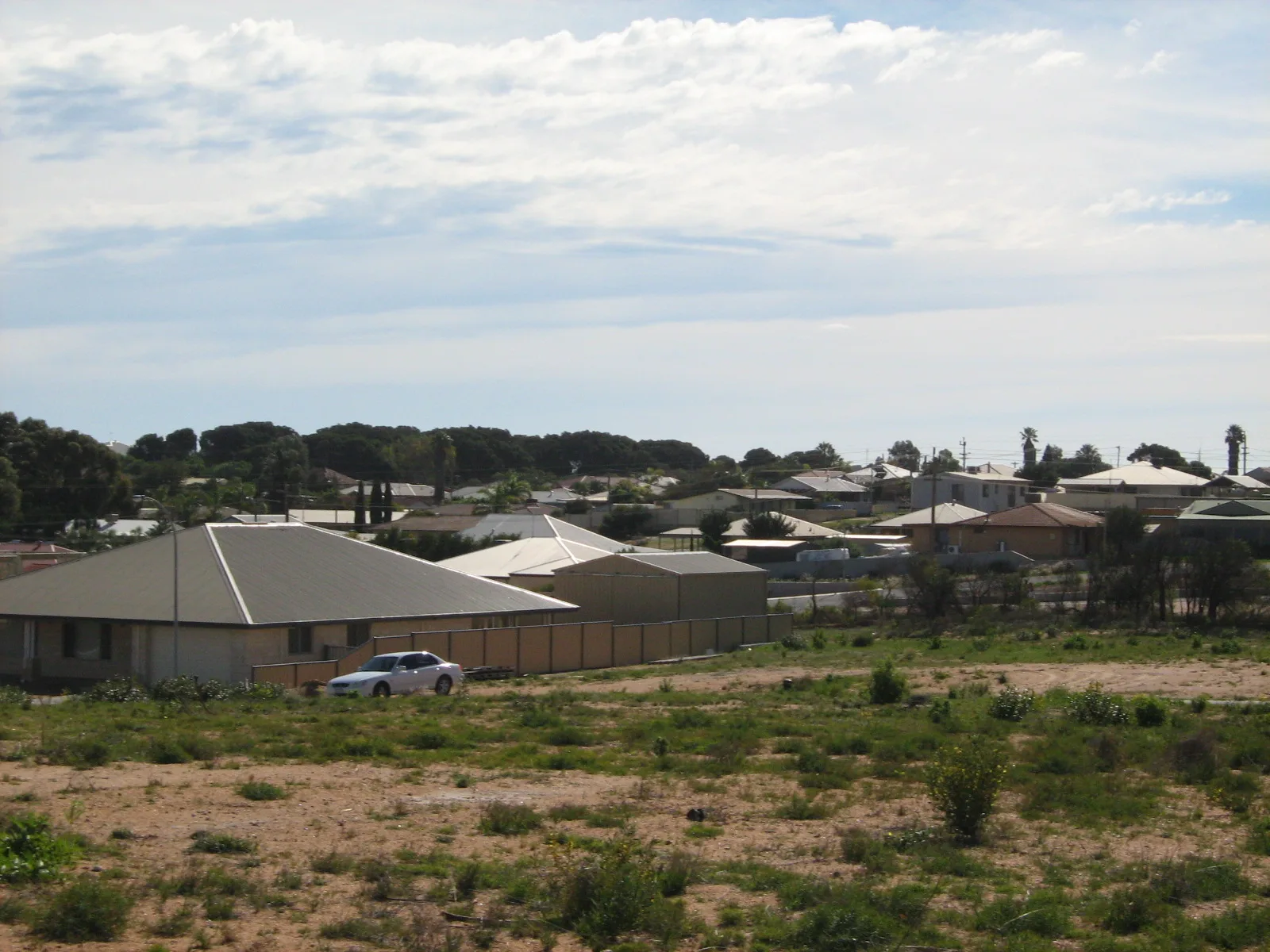
Photo credits (Wikimedia Commons): Residential units, Liege Street, Stirling: -wuppertaler, CC BY 4.0; New houses, Trinity estate, Alkimos: Orderinchaos, CC BY-SA 3.0.
Other latest news



















Talk to our team
Our archaeologists, ecologists and town planners can tell you what this means for your site.