
Landowners and proponents often ask whether they still need to think about Aboriginal heritage if there is no native title over their land. The short answer is yes. Native title is about rights and interests in land under Commonwealth law. Aboriginal heritage protection in WA is about sites and objects under State law, and it applies regardless of who holds the land or whether native title exists.
What is native title?
Native title is the recognition in Australian law that some Aboriginal and Torres Strait Islander people continue to hold rights and interests in land and waters under their traditional laws and customs. The National Native Title Tribunal describes it as a "bundle of rights" whose content depends on those laws and customs. Governments do not grant native title. It is usually recognised through a determination of the Federal Court under the Native Title Act 1993 (Cth).
Exclusive and non-exclusive rights
According to the Tribunal:
- Exclusive possession can be recognised over limited areas, such as unallocated or vacant Crown land.
- Non-exclusive rights are more common. They do not include a right to control access to the area, and can include rights such as living on the land, hunting, fishing, gathering and teaching law and custom.
Native title can be extinguished by government acts, or acts the government allowed others to do, that are inconsistent with it.
Determinations, claims and the registers
The Native Title Registrar keeps three public registers:
- National Native Title Register: approved determinations of native title.
- Register of Native Title Claims: claimant applications that have passed the registration test. Registration gives claimants procedural rights over certain future acts, such as mining or exploration grants.
- Register of Indigenous Land Use Agreements: registered ILUAs.
PBCs and RNTBCs
Native title holders nominate a prescribed body corporate (PBC) as part of the Federal Court determination process, to manage and protect their native title rights and interests. Once the determination is entered on the National Native Title Register, the PBC becomes a registered native title body corporate (RNTBC).
Future acts, the right to negotiate and ILUAs
A future act is a proposal to deal with land or waters in a way that affects native title, such as granting a mining tenement or compulsorily acquiring land. The Act sets out procedures that governments must follow, and these vary with the type of act.
The right to negotiate
For some future acts, the government party, the grantee party and the native title parties must negotiate in good faith. The Tribunal lists three kinds of acts this applies to:
- creating a right to mine, such as granting a mining or exploration tenement or a petroleum permit
- expanding the area covered by an existing right to mine
- acquiring native title rights for development, with some exceptions for government and infrastructure purposes.
Negotiations must address the effect of the act on registered native title rights and interests, but can cover a wider range of topics. If at least six months have passed since the notification day and agreement has not been reached, a negotiation party can apply to the Tribunal for a future act determination. The Tribunal then decides whether the act may be done, may be done subject to conditions, or must not be done. A government party can also assert that the expedited procedure applies, usually to exploration or prospecting grants. If a native title party objects, the Tribunal must inquire and decide whether it applies; if not, the right to negotiate applies.
Indigenous Land Use Agreements
An Indigenous Land Use Agreement (ILUA) is a voluntary agreement between native title parties and other people or bodies about how land and waters are used and managed. There are three types: body corporate agreements, area agreements and alternative procedure agreements. An ILUA can cover any native title matter the parties agree on, including future development, mining, access, compensation and cultural heritage. While registered, an ILUA binds all native title holders for the area, whether or not they signed it.
What does the Aboriginal Heritage Act 1972 protect?
The Aboriginal Heritage Act 1972 (WA) is the current law for protecting Aboriginal heritage in Western Australia. The Department of Planning, Lands and Heritage (DPLH) confirms the amended 1972 Act was restored on 15 November 2023, and that the Aboriginal Cultural Heritage Act 2021 has been repealed.
Under section 5, the Act applies to places such as:
- places of importance where Aboriginal people have left objects used in traditional cultural life
- sacred, ritual or ceremonial sites of importance to Aboriginal people
- places the Aboriginal Cultural Heritage Committee considers worth preserving for their historical, anthropological, archaeological or ethnographical interest
- places where protected objects are traditionally stored.
Section 6 extends the Act to objects of sacred, ritual or ceremonial significance, or used in traditional cultural life, wherever found in the State.
Two points matter on any project. The Act protects sites whether or not they are registered: DPLH's July 2026 guidelines say the Act protects all Aboriginal sites, including those the Department holds no information about. And the obligation applies to every landowner, whether the land is freehold, leasehold or held under a licence.
Section 17: the offence
Section 17 makes it an offence to excavate, damage, conceal or alter an Aboriginal site, or to interfere with objects on or under a site, unless authorised under section 16 or consented to under section 18. The general penalty in section 57 sets maximum fines and imprisonment for individuals, and higher fines for bodies corporate, with greater penalties for repeat offences. Section 62 provides a defence where a person shows they did not know, and could not reasonably have been expected to know, that the Act applied.
Section 18: consent to use land
Where an owner needs to use land in a way likely to breach section 17, they can give notice under section 18. In the Act, "owner" includes a Crown lessee and the holder of a mining tenement. The Committee forms a view on whether a site exists and makes a recommendation, and the Minister then consents, with or without conditions, or declines. Applications are lodged through the ACHknowledge portal.
Since November 2023:
- an owner or a native title party aggrieved by a section 18 decision can apply to the State Administrative Tribunal for review
- an owner must tell the Minister about new information on a site after consent is given, and the Minister may then amend, revoke or confirm the consent
- a consent transfers with the land when ownership changes, and the new owner must notify the Minister.
Section 16: excavation and removal
Section 16 reserves the right to excavate or remove anything from an Aboriginal site to the Registrar, who may authorise this on the Committee's advice. DPLH notes it often relates to research.
How native title and Aboriginal heritage differ
The table below summarises the main differences.
| Question | Native title | Aboriginal heritage (WA) |
|---|---|---|
| Main law | Native Title Act 1993 (Cth) | Aboriginal Heritage Act 1972 (WA) |
| What it deals with | Rights and interests in land and waters held under traditional law and custom | Aboriginal sites and objects of cultural significance |
| How it arises | Recognised by a Federal Court determination, or claimed in a registered application | Applies to any place or object that meets the Act's definitions, recorded or not |
| Where it applies | Areas where native title has not been extinguished | All land in WA, across freehold, leasehold and Crown land |
| Key processes | Future act procedures, the right to negotiate, ILUAs | Section 17 offence, section 18 consent, section 16 authorisation |
| Main decision-makers | Federal Court, National Native Title Tribunal, governments | Minister, Aboriginal Cultural Heritage Committee, Registrar |
In short, native title is about rights in land and how dealings with that land proceed, while the Aboriginal Heritage Act protects specific places and objects on any land in the State.
How they meet on projects
The two systems are separate, but they often meet in practice.
- Native title parties in the heritage process. The Aboriginal Heritage Act defines a "native title party" by reference to native title. Depending on the land, it is the registered native title body corporate, the registered native title claimant, or a regional corporation for land under a settlement ILUA. Native title parties have review rights over section 18 decisions.
- Heritage agreements. ILUAs can deal with cultural heritage. In the South West, the Noongar Standard Heritage Agreement arises from the South West Native Title Settlement ILUAs. State Government land users must use it in certain circumstances, and some mining tenements carry a condition requiring a heritage agreement.
- Consultation. DPLH's guidelines describe Aboriginal people as the primary source of information about their heritage. Applications under section 18 must describe the consultation undertaken.
- No native title does not mean no heritage. Where native title has been extinguished, the Aboriginal Heritage Act still applies, including on freehold land.
How Trace Archaeology helps
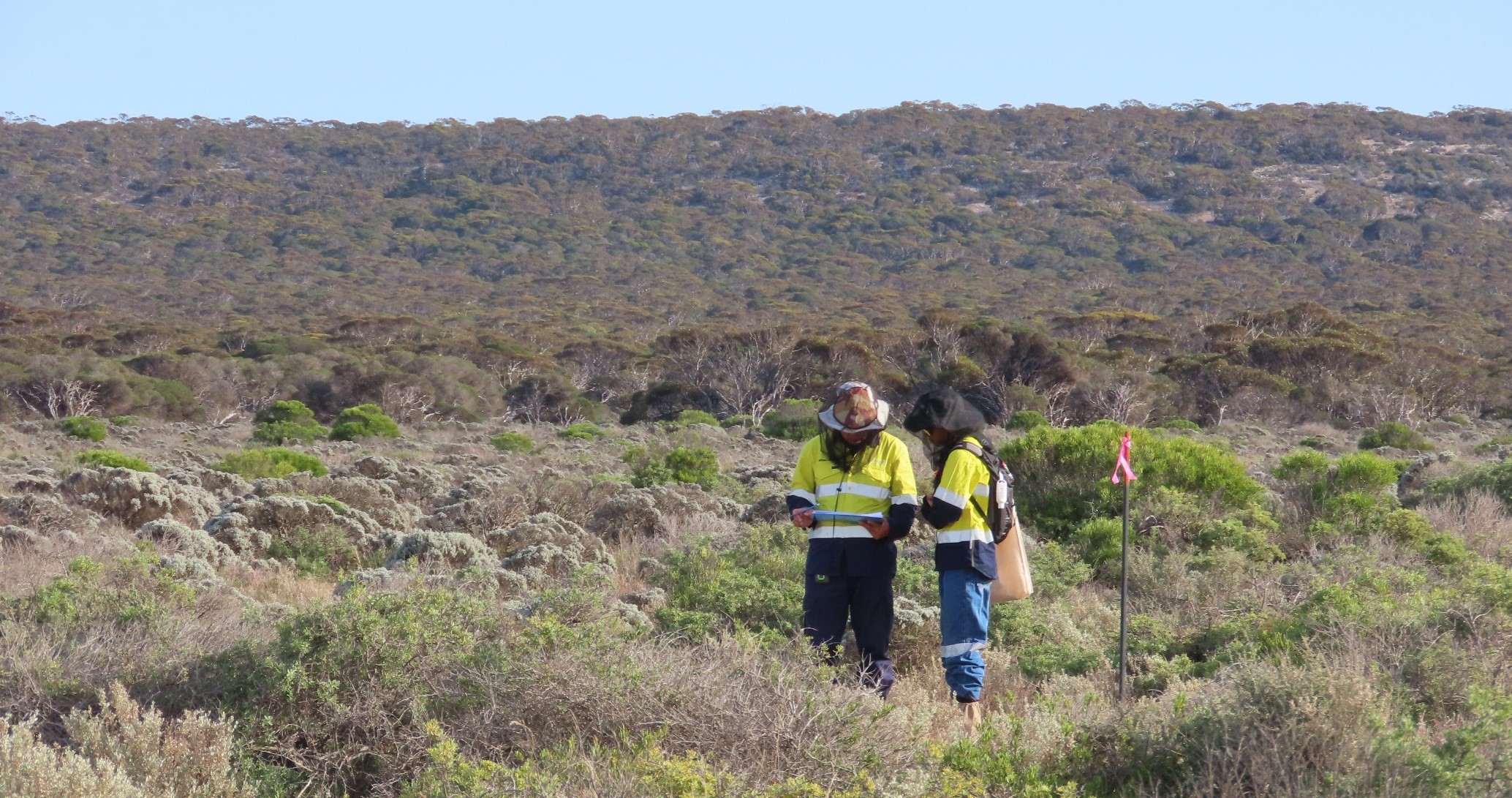
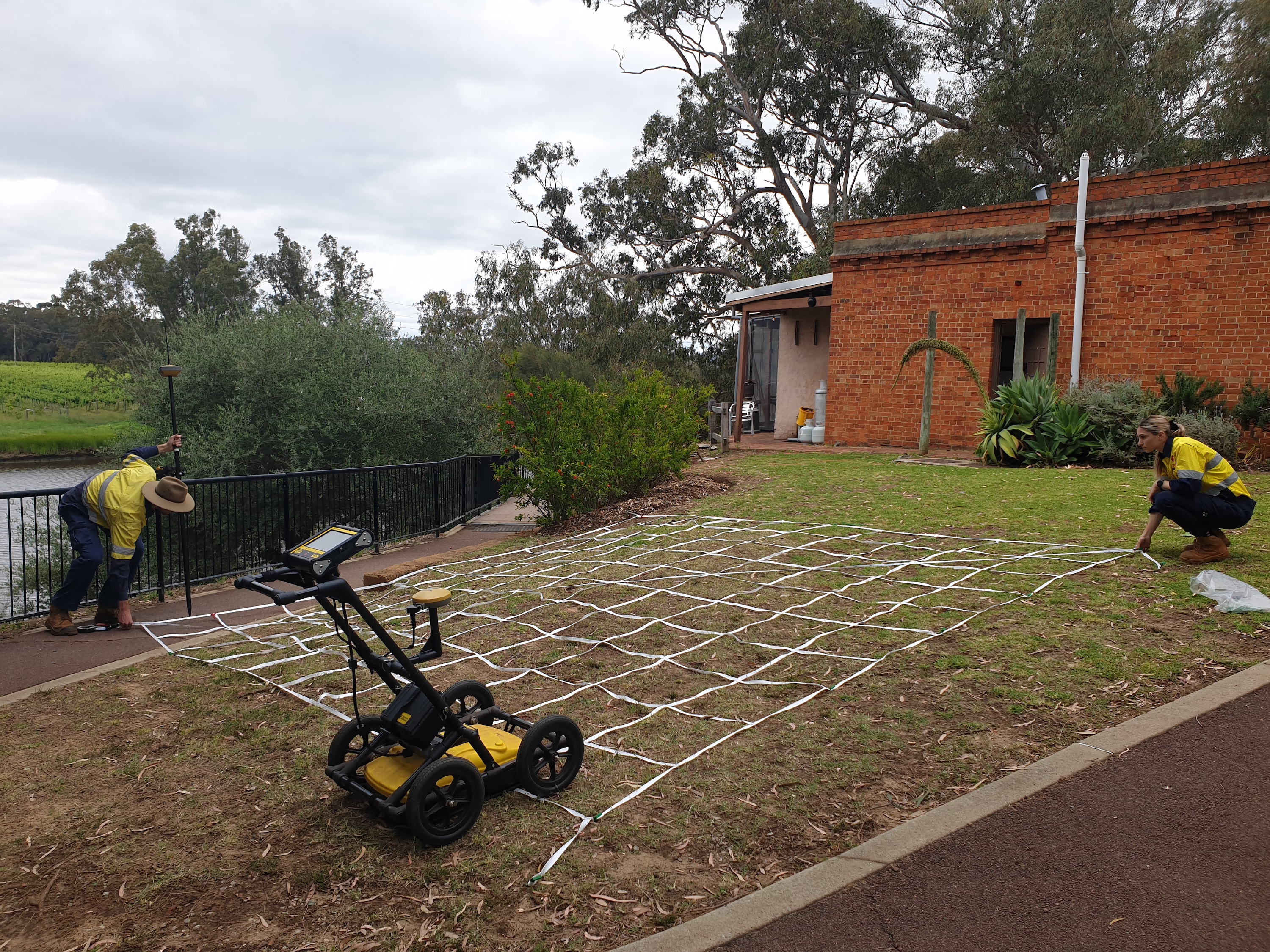
Trace Archaeology works with landowners, proponents, government agencies and Traditional Owners on the Aboriginal heritage side of projects in WA. We can carry out Aboriginal heritage surveys and ethnographic surveys, and work within the terms of heritage agreements. See our heritage services for the full range.
For more background, read The new old Act on the 2023 changes, and Types of heritage surveys. We do not give legal advice on native title, so we recommend independent legal advice on native title questions. Contact us to talk through the heritage side of your project.
Frequently asked questions
What is the difference between native title and Aboriginal heritage?
Native title is recognition of rights and interests in land and waters under traditional law and custom, dealt with under the Commonwealth Native Title Act 1993. Aboriginal heritage protection in WA covers sites and objects under the State Aboriginal Heritage Act 1972, on any land.
Does the Aboriginal Heritage Act apply if native title has been extinguished?
Yes. The Act applies to Aboriginal sites and objects across land tenures, including freehold. Extinguishment of native title does not remove heritage obligations.
Do I need a section 18 consent if there is an ILUA over my area?
An ILUA is an agreement about native title matters. It does not replace the Aboriginal Heritage Act. If proposed works are likely to affect an Aboriginal site, section 18 consent may still be needed. Check the terms of any agreement and seek advice on your situation.
Who are native title parties under the Aboriginal Heritage Act?
Depending on the land, a native title party is the registered native title body corporate, the registered native title claimant, or a regional corporation for land covered by a settlement ILUA. Native title parties can apply to the State Administrative Tribunal for review of section 18 decisions.
This article is general information as at October 2026, not legal advice.
References
All accessed 20 October 2026.
- Native Title Act 1993 (Cth), Compilation No. 50, compilation date 12 June 2024 (s 3). legislation.gov.au: Native Title Act 1993
- Aboriginal Heritage Act 1972 (WA), official version as at 28 May 2026 (ss 5, 6, 16, 17, 18, 18B, 57, 62). legislation.wa.gov.au: Aboriginal Heritage Act 1972
- Department of Planning, Lands and Heritage, Aboriginal Heritage Act 1972 Guidelines, July 2026. wa.gov.au: Aboriginal Heritage Act 1972 Guidelines
- Department of Planning, Lands and Heritage, Aboriginal Heritage in Western Australia (last updated 23 April 2026). wa.gov.au: Aboriginal Heritage in Western Australia
- Department of Planning, Lands and Heritage, Aboriginal Heritage Act 1972 (last updated 10 March 2026). wa.gov.au: Aboriginal Heritage Act 1972
- Government of Western Australia, Heritage agreements in the South West (last updated 28 July 2025). wa.gov.au: Heritage agreements in the South West
- National Native Title Tribunal, Native title: an overview, August 2010. nntt.gov.au: Native title overview
- National Native Title Tribunal, About the National Native Title Tribunal's registers (revised 2014). nntt.gov.au: About the registers
- National Native Title Tribunal, Future acts. nntt.gov.au: Future acts
- National Native Title Tribunal, The right to negotiate. nntt.gov.au: Right to negotiate
- National Native Title Tribunal, Future act determination applications (2 July 2026). nntt.gov.au: Future act determination applications
- National Native Title Tribunal, About Indigenous Land Use Agreements (ILUAs) (18 July 2025). nntt.gov.au: ILUAs
- National Native Title Tribunal, What is a Prescribed Body Corporate (PBC) and what does it do? (2021). nntt.gov.au: What is a PBC
- National Native Title Tribunal, Expedited procedure objection process (22 August 2025). nntt.gov.au: Expedited procedure objections