
Aboriginal Heritage Surveys: an overview
Thorough. Defensible. Built to stand up to scrutiny.
Aboriginal archaeological surveys are the cornerstone of cultural heritage management in Western Australia. They are the mechanism through which Aboriginal Cultural Heritage (ACH) sites are identified, recorded and assessed, and they are, in most cases, the prerequisite for obtaining Section 18 consent under the Aboriginal Heritage Act 1972. The quality of the survey directly determines the quality of the heritage outcome. Trace Archaeology delivers archaeological surveys that are thorough, scientifically rigorous and built to withstand regulatory scrutiny.
We conduct Aboriginal archaeological surveys for developers, miners, exploration companies, infrastructure builders and government agencies across WA and the NT. We also conduct them for Aboriginal Corporations and Traditional Owners who need an independent, expert assessment of the cultural heritage values of their Country. Whatever the purpose, our surveys are delivered to the same uncompromising standard.
What is involved
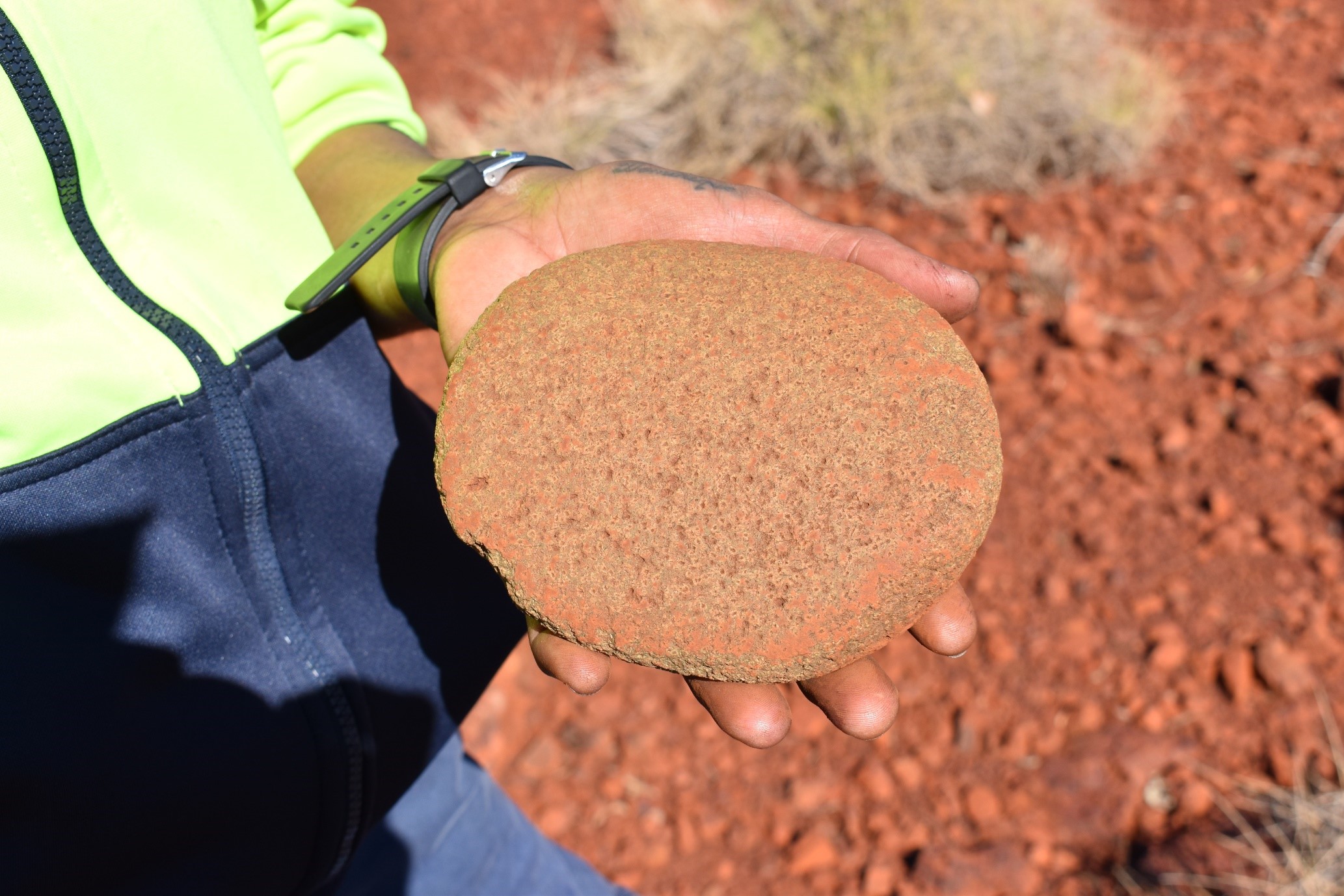
Trace Archaeology conducts all three types of Aboriginal heritage surveys recognised under the Aboriginal Heritage Act 1972 framework. Clearance surveys assess a project area to determine whether ACH sites are present, providing clearance for ground-disturbing activities to proceed where no heritage is identified. Site avoidance surveys identify and record the location and extent of ACH sites so that a proponent can design their works to avoid those sites, removing the need for Section 18 consent. Site identification surveys document ACH sites to the level of detail required to support a Section 18 application, recording sites thoroughly and engaging meaningfully with Traditional Owners about their significance.
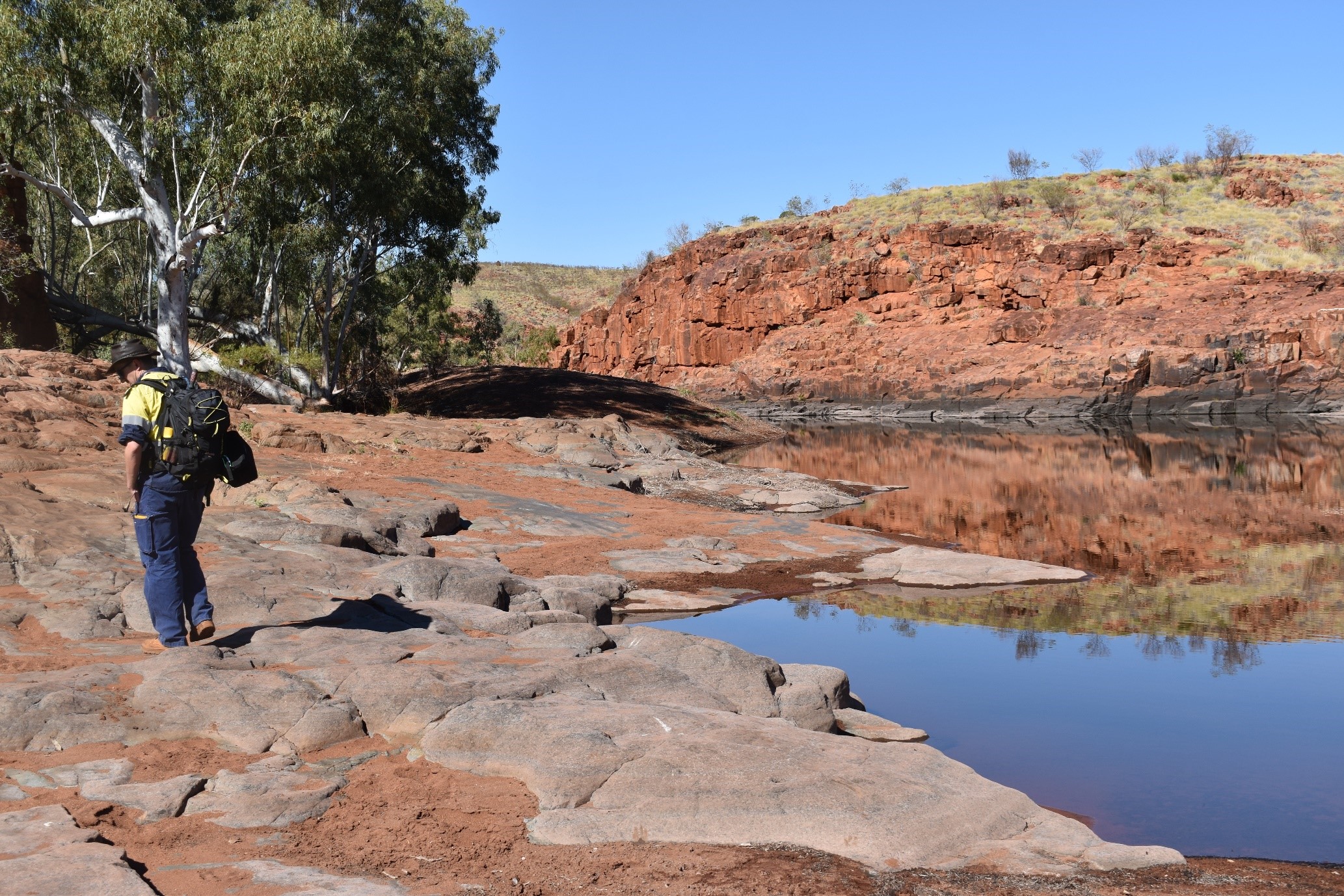
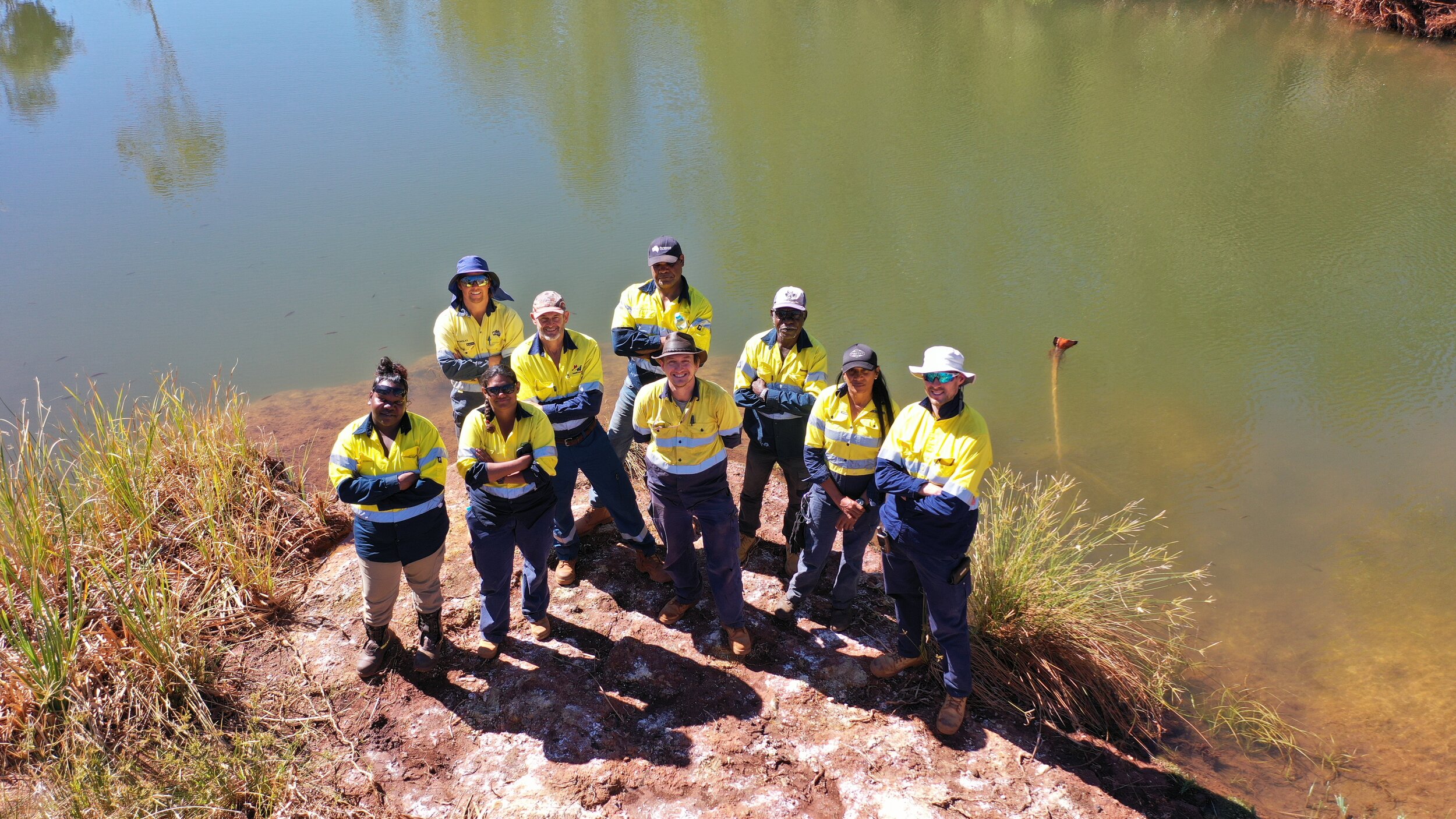
Our survey teams are led by qualified archaeologists and anthropologists with extensive field experience across WA's diverse environments, from the coastal dunes and river systems of the southwest to the rocky ranges of the Pilbara, the sandplains of the Goldfields and the remote landscapes of the Kimberley and Northern Territory. We hold all relevant field qualifications including advanced first aid, remote area certifications and four-wheel drive competency, ensuring we can operate safely and effectively in any environment.
Aboriginal Heritage Surveys in the field
Survey reports produced by Trace Archaeology meet the standards required by the DPLH, the Aboriginal Cultural Heritage Committee and the WAPC. They are written to be clear, accurate and practically useful to everyone who relies on them, from the Traditional Owners whose Country was surveyed to the project managers who need to plan around the findings.
Trace Archaeology is a division of Trace Enterprises, which brings heritage, environmental and planning specialists together under one roof.
Recent surveys include an exploration heritage survey in the Gascoyne, a quarry expansion survey in Perth and field support for mining heritage surveys.
More Aboriginal Archaeology & Anthropology services
Thorough. Defensible. Built to stand up to scrutiny.
Aboriginal archaeological surveys are the cornerstone of cultural heritage management in Western Australia. They are the mechanism through which Aboriginal Cultural Heritage (ACH) sites are identified, recorded and assessed, and they are, in most cases, the prerequisite for obtaining Section 18 consent under the Aboriginal Heritage Act 1972. The quality of the survey directly determines the quality of the heritage outcome. Trace Archaeology delivers archaeological surveys that are thorough, scientifically rigorous and built to withstand regulatory scrutiny.
We conduct Aboriginal archaeological surveys for developers, miners, exploration companies, infrastructure builders and government agencies across WA and the NT. We also conduct them for Aboriginal Corporations and Traditional Owners who need an independent, expert assessment of the cultural heritage values of their Country. Whatever the purpose, our surveys are delivered to the same uncompromising standard.
Trace Archaeology conducts all three types of Aboriginal heritage surveys recognised under the Aboriginal Heritage Act 1972 framework. Clearance surveys assess a project area to determine whether ACH sites are present, providing clearance for ground-disturbing activities to proceed where no heritage is identified. Site avoidance surveys identify and record the location and extent of ACH sites so that a proponent can design their works to avoid those sites, removing the need for Section 18 consent. Site identification surveys document ACH sites to the level of detail required to support a Section 18 application, recording sites thoroughly and engaging meaningfully with Traditional Owners about their significance.
Our survey teams are led by qualified archaeologists and anthropologists with extensive field experience across WA's diverse environments, from the coastal dunes and river systems of the southwest to the rocky ranges of the Pilbara, the sandplains of the Goldfields and the remote landscapes of the Kimberley and Northern Territory. We hold all relevant field qualifications including advanced first aid, remote area certifications and four-wheel drive competency, ensuring we can operate safely and effectively in any environment.
Survey reports produced by Trace Archaeology meet the standards required by the DPLH, the Aboriginal Cultural Heritage Committee and the WAPC. They are written to be clear, accurate and practically useful to everyone who relies on them, from the Traditional Owners whose Country was surveyed to the project managers who need to plan around the findings.
Trace Archaeology is a division of Trace Enterprises, which brings heritage, environmental and planning specialists together under one roof.
Recent surveys include an exploration heritage survey in the Gascoyne, a quarry expansion survey in Perth and field support for mining heritage surveys.
Explore our other services
All heritage services →
All environmental services →
All planning services →
Every heritage, environmental and planning project starts with the right conversation.
Tell us what you are planning and where. We'll tell you what assessments and approvals it needs, who should be involved and what happens next.