
Environmental Management Plans: an overview
Plans that work in the field. Reports that satisfy regulators.
An environmental management plan is the operational document that translates approval conditions, regulatory requirements and environmental commitments into practical, workable guidance for the people on the ground: the site managers, contractors and operational staff who are responsible for implementing environmental management day to day. An EMP that is too vague to be useful, too prescriptive to be practical or too generic to address the specific environmental values and risks of the project is worse than no EMP at all. Trace Ecology prepares environmental management plans that are genuinely useful: specific to the project, grounded in the environmental data, structured around the approval conditions that apply and written to be used in the field.
We prepare environmental management plans for developers, miners, exploration companies, infrastructure builders, construction contractors and industrial operators across WA and the NT, covering the full range of project types and operational contexts. Our EMPs are structured to meet the requirements of the EPA, DWER, DMPE and the EPBC Act, and are designed to integrate seamlessly with the project's broader environmental approval and compliance framework.
What is involved
Our EMP preparation process begins with a thorough review of all applicable approval conditions, licence requirements, environmental commitments and relevant environmental values, establishing the full scope of environmental management obligations the plan must address. We then develop management measures, monitoring protocols, reporting requirements and contingency procedures for each environmental value and risk identified, structured around the specific activities, timeframes and operational contexts of the project.
Our EMPs address the full range of environmental management requirements that WA's regulatory framework demands, including flora and vegetation management, fauna management and protection, topsoil salvage and storage, erosion and sediment control, water quality management, dust and air quality management, noise and vibration management, waste management, hydrocarbon and chemical spill management, cultural heritage management and rehabilitation and revegetation management. Where approval conditions require sub-plans addressing specific environmental values in more detail, we prepare those sub-plans as integrated components of the broader EMP framework.
Environmental Management Plans in the field

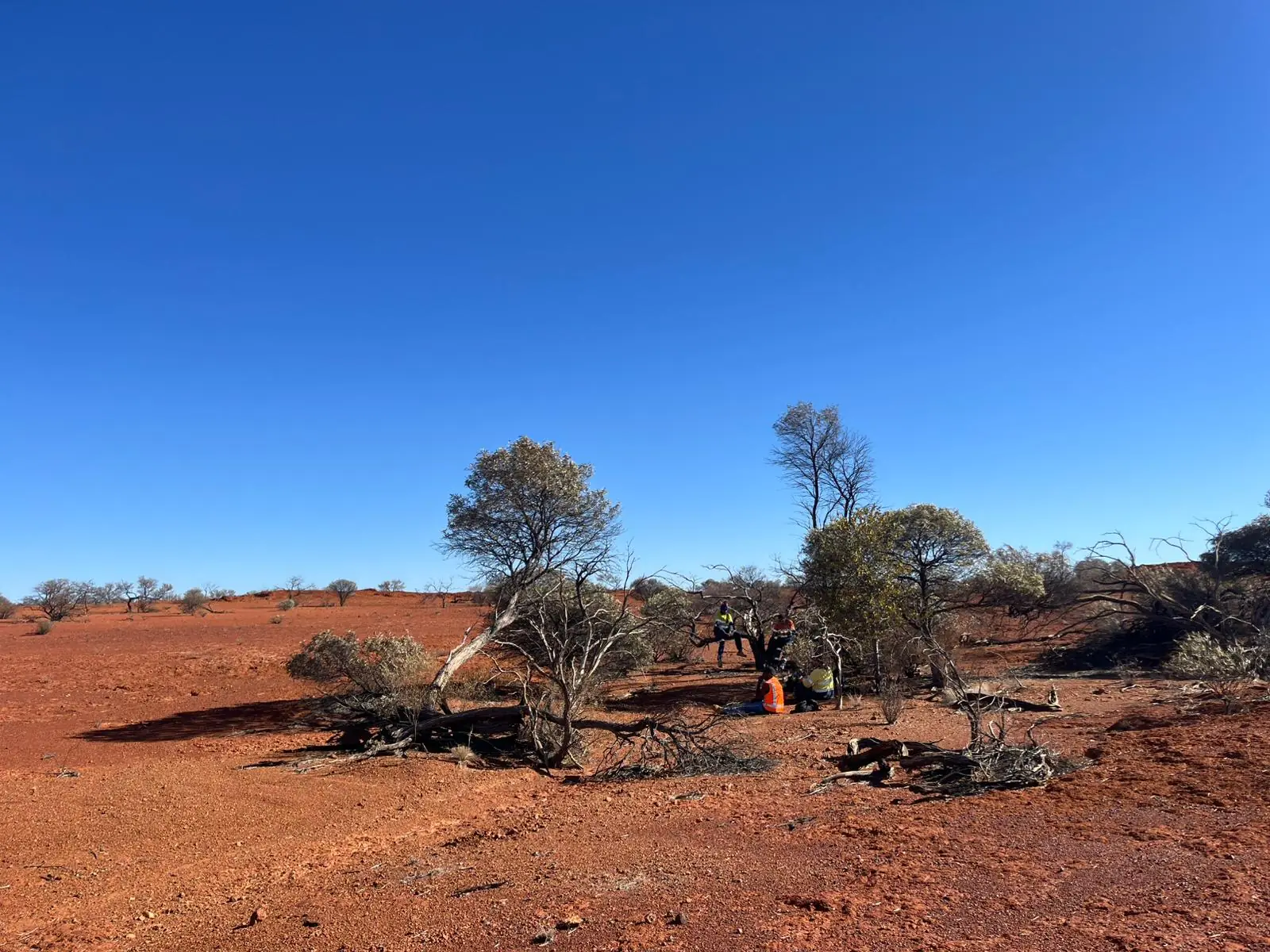

We also provide EMP implementation support: reviewing EMPs already in place, updating them to reflect changed project conditions or new regulatory requirements, training operational staff in EMP requirements and conducting EMP compliance audits to identify gaps and corrective actions before they become regulatory issues.
Trace Ecology is a division of Trace Enterprises, which brings heritage, environmental and planning specialists together under one roof.
More Environmental Management & Compliance services
Plans that work in the field. Reports that satisfy regulators.
An environmental management plan is the operational document that translates approval conditions, regulatory requirements and environmental commitments into practical, workable guidance for the people on the ground: the site managers, contractors and operational staff who are responsible for implementing environmental management day to day. An EMP that is too vague to be useful, too prescriptive to be practical or too generic to address the specific environmental values and risks of the project is worse than no EMP at all. Trace Ecology prepares environmental management plans that are genuinely useful: specific to the project, grounded in the environmental data, structured around the approval conditions that apply and written to be used in the field.
We prepare environmental management plans for developers, miners, exploration companies, infrastructure builders, construction contractors and industrial operators across WA and the NT, covering the full range of project types and operational contexts. Our EMPs are structured to meet the requirements of the EPA, DWER, DMPE and the EPBC Act, and are designed to integrate seamlessly with the project's broader environmental approval and compliance framework.
Our EMP preparation process begins with a thorough review of all applicable approval conditions, licence requirements, environmental commitments and relevant environmental values, establishing the full scope of environmental management obligations the plan must address. We then develop management measures, monitoring protocols, reporting requirements and contingency procedures for each environmental value and risk identified, structured around the specific activities, timeframes and operational contexts of the project.
Our EMPs address the full range of environmental management requirements that WA's regulatory framework demands, including flora and vegetation management, fauna management and protection, topsoil salvage and storage, erosion and sediment control, water quality management, dust and air quality management, noise and vibration management, waste management, hydrocarbon and chemical spill management, cultural heritage management and rehabilitation and revegetation management. Where approval conditions require sub-plans addressing specific environmental values in more detail, we prepare those sub-plans as integrated components of the broader EMP framework.
We also provide EMP implementation support: reviewing EMPs already in place, updating them to reflect changed project conditions or new regulatory requirements, training operational staff in EMP requirements and conducting EMP compliance audits to identify gaps and corrective actions before they become regulatory issues.
Trace Ecology is a division of Trace Enterprises, which brings heritage, environmental and planning specialists together under one roof.
Every heritage, environmental and planning project starts with the right conversation.
Tell us what you are planning and where. We'll tell you what assessments and approvals it needs, who should be involved and what happens next.