
Environmental Impact Assessments: an overview
Rigorous assessment. Confident approvals.
An environmental impact assessment (EIA) is the process through which the potential environmental effects of a proposed project are identified, evaluated and addressed. It produces the documentation that regulators need to make informed approval decisions and that proponents need to demonstrate that their project has been designed to minimise environmental harm. In Western Australia, EIAs are required under the Environmental Protection Act 1986 (WA) for proposals referred to the EPA for formal assessment, and under the Environment Protection and Biodiversity Conservation Act 1999 (EPBC Act) for proposals likely to have a significant impact on matters of national environmental significance. Trace Ecology prepares EIAs that are thorough, scientifically defensible and structured to move through the assessment process as efficiently as possible.
We deliver environmental impact assessments for developers, miners, exploration companies, infrastructure builders and government agencies across WA and the NT, managing projects from initial environmental scoping and referral through to formal assessment, public consultation, condition negotiation and final approval. Our multidisciplinary team of botanists, zoologists, ecologists, marine biologists and freshwater biologists covers the full spectrum of environmental values that an EIA must assess. That gives clients a single, integrated assessment team rather than the fragmented approach of multiple specialist subconsultants.
What is involved
Our EIA process begins with a thorough environmental scoping exercise. We identify all environmental values present in and around the project area, assess the nature and scale of the project's potential impacts on those values and determine what baseline data, specialist surveys and technical studies are required to support the assessment. We design and conduct all required field surveys, including flora and fauna surveys, vegetation condition assessments, targeted threatened species surveys, aquatic assessments, soils and water assessments and any other technical investigations required, and integrate the results into a coherent, technically rigorous environmental impact document.
For proposals referred to the EPA under Part IV of the Environmental Protection Act 1986, we prepare environmental review documents, manage the public review process and engage with the EPA throughout the assessment to address queries and provide supplementary information. For proposals requiring EPBC Act referral, we prepare the referral documentation and manage the Commonwealth assessment process, including responding to information requests from the Department of Climate Change, Energy, the Environment and Water (DCCEEW) and engaging with bilateral assessment arrangements where applicable.
Environmental Impact Assessments in the field
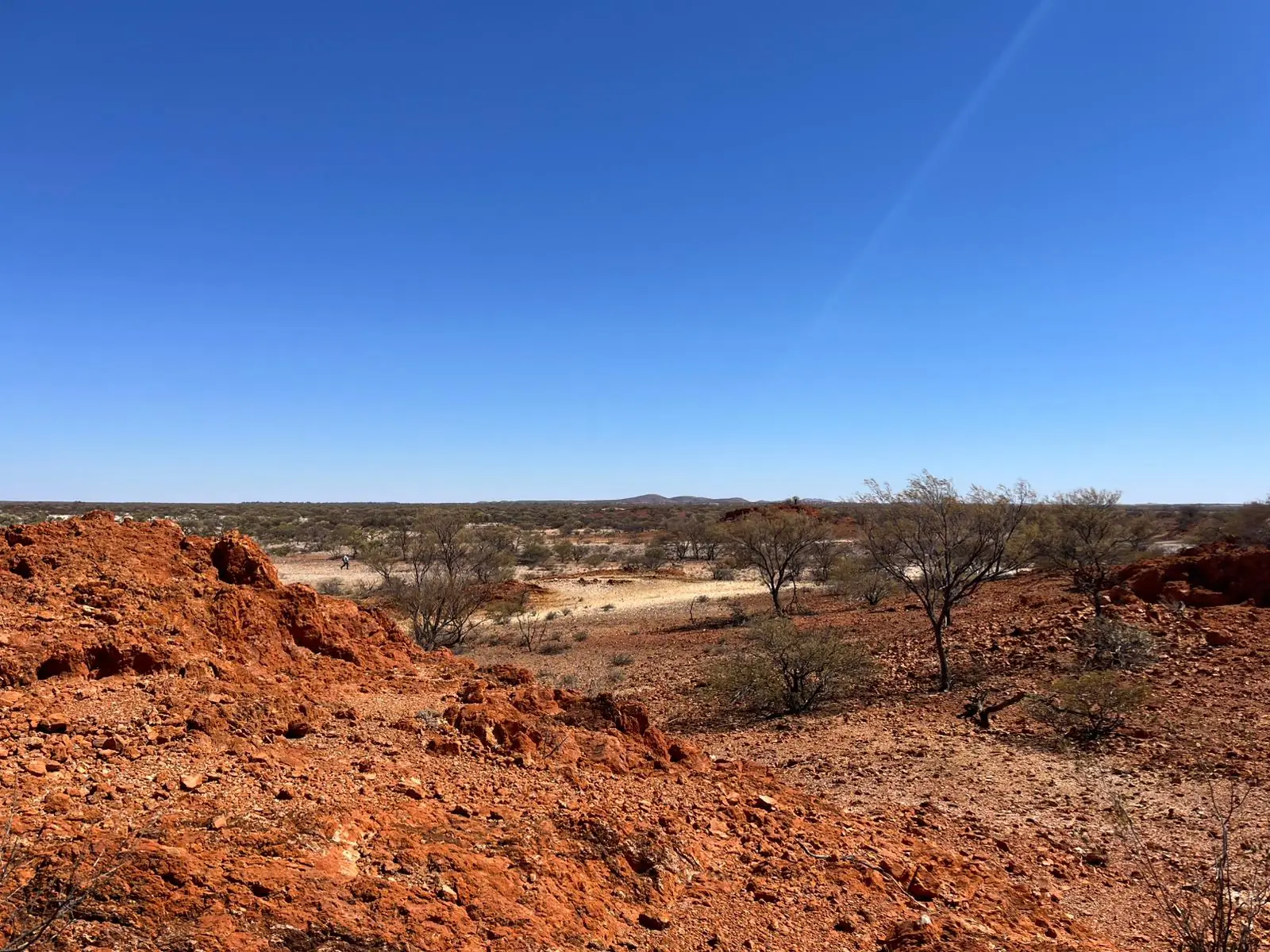
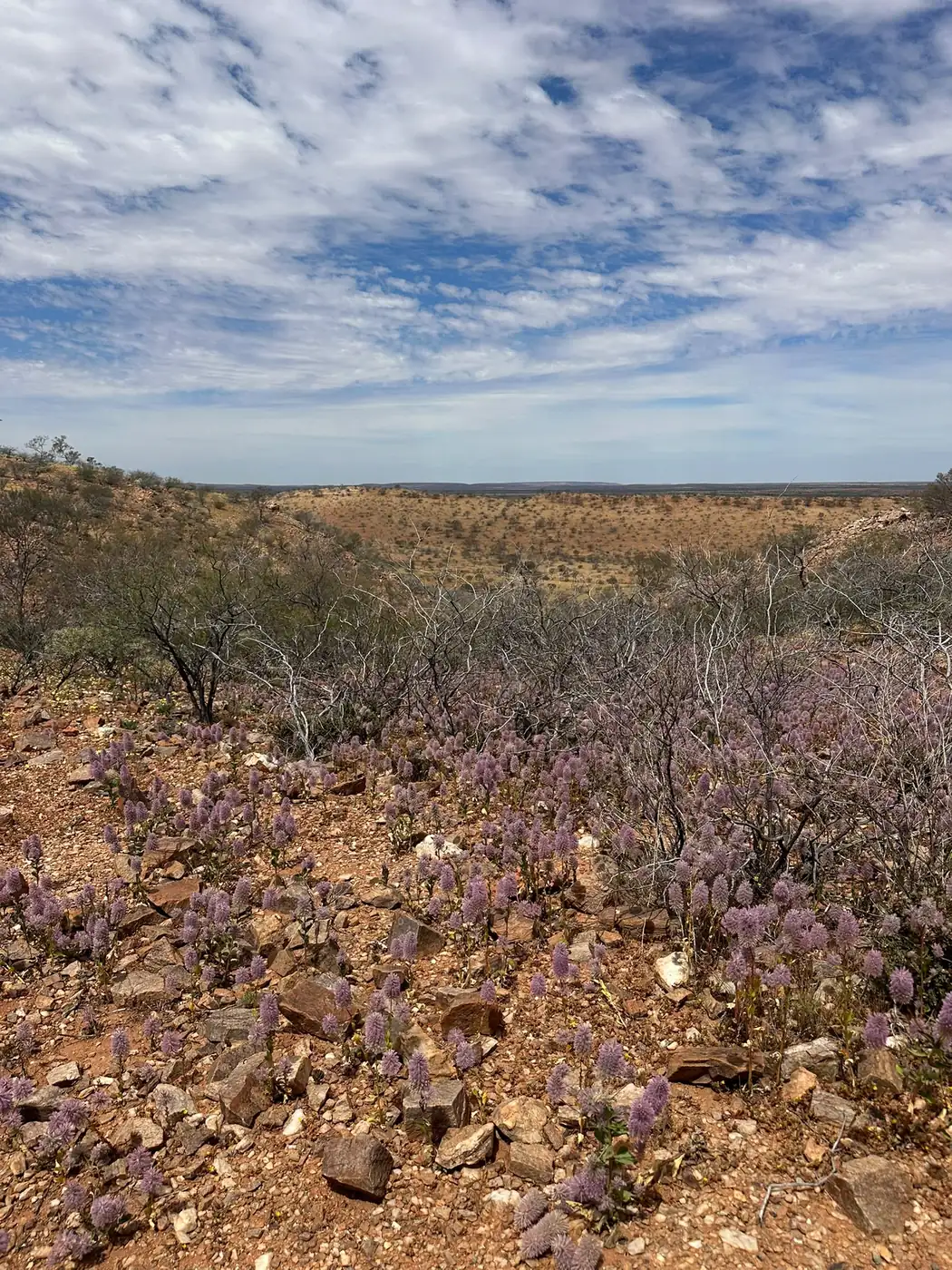
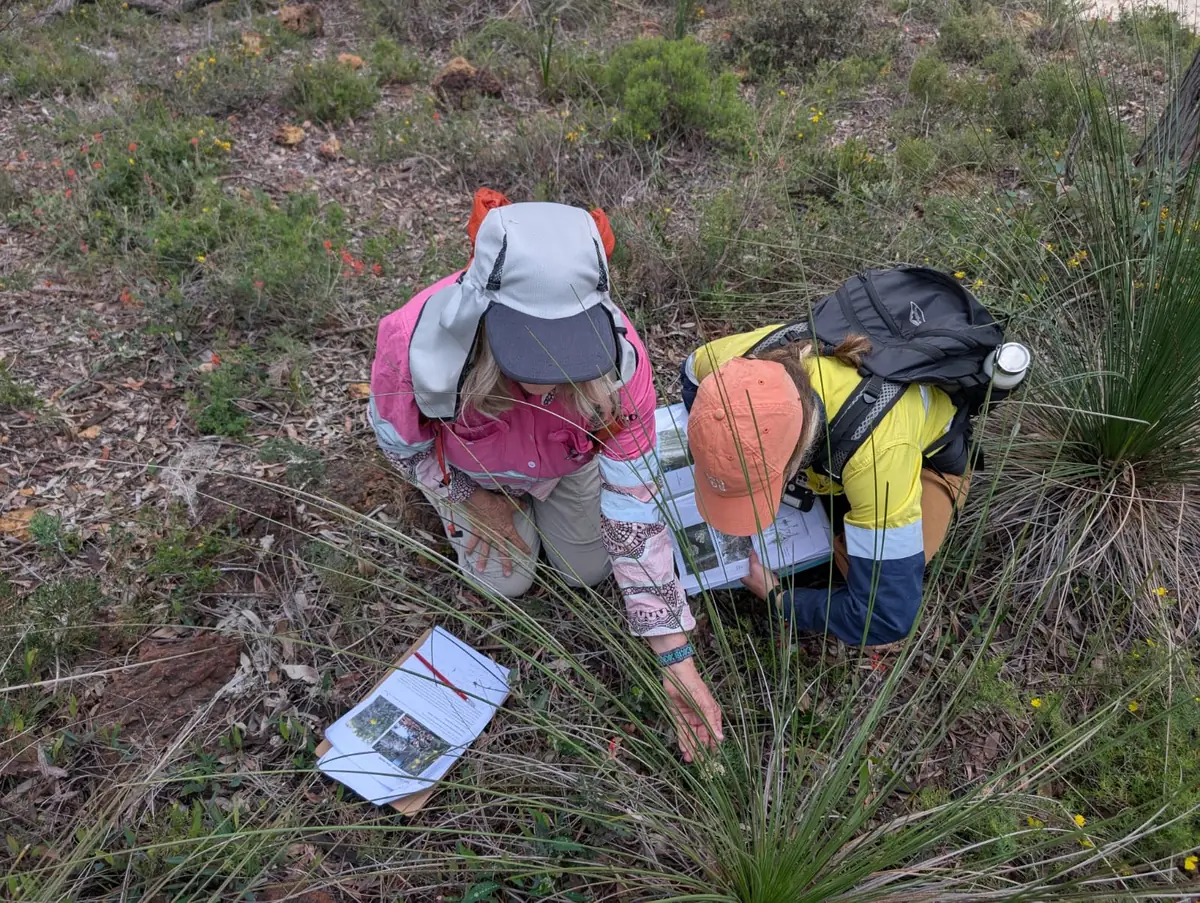
Where environmental offsets are required to compensate for residual impacts on significant environmental values, our team provides offset strategy advice and offset site assessment, helping clients satisfy offset conditions in the most cost-effective way possible.
Trace Ecology is a division of Trace Enterprises, which brings heritage, environmental and planning specialists together under one roof. Where your EIA also triggers heritage assessment requirements, our Trace Archaeology team is ready to step in.
More Terrestrial Surveys & Assessments services
Rigorous assessment. Confident approvals.
An environmental impact assessment (EIA) is the process through which the potential environmental effects of a proposed project are identified, evaluated and addressed. It produces the documentation that regulators need to make informed approval decisions and that proponents need to demonstrate that their project has been designed to minimise environmental harm. In Western Australia, EIAs are required under the Environmental Protection Act 1986 (WA) for proposals referred to the EPA for formal assessment, and under the Environment Protection and Biodiversity Conservation Act 1999 (EPBC Act) for proposals likely to have a significant impact on matters of national environmental significance. Trace Ecology prepares EIAs that are thorough, scientifically defensible and structured to move through the assessment process as efficiently as possible.
We deliver environmental impact assessments for developers, miners, exploration companies, infrastructure builders and government agencies across WA and the NT, managing projects from initial environmental scoping and referral through to formal assessment, public consultation, condition negotiation and final approval. Our multidisciplinary team of botanists, zoologists, ecologists, marine biologists and freshwater biologists covers the full spectrum of environmental values that an EIA must assess. That gives clients a single, integrated assessment team rather than the fragmented approach of multiple specialist subconsultants.
Our EIA process begins with a thorough environmental scoping exercise. We identify all environmental values present in and around the project area, assess the nature and scale of the project's potential impacts on those values and determine what baseline data, specialist surveys and technical studies are required to support the assessment. We design and conduct all required field surveys, including flora and fauna surveys, vegetation condition assessments, targeted threatened species surveys, aquatic assessments, soils and water assessments and any other technical investigations required, and integrate the results into a coherent, technically rigorous environmental impact document.
For proposals referred to the EPA under Part IV of the Environmental Protection Act 1986, we prepare environmental review documents, manage the public review process and engage with the EPA throughout the assessment to address queries and provide supplementary information. For proposals requiring EPBC Act referral, we prepare the referral documentation and manage the Commonwealth assessment process, including responding to information requests from the Department of Climate Change, Energy, the Environment and Water (DCCEEW) and engaging with bilateral assessment arrangements where applicable.
Where environmental offsets are required to compensate for residual impacts on significant environmental values, our team provides offset strategy advice and offset site assessment, helping clients satisfy offset conditions in the most cost-effective way possible.
Trace Ecology is a division of Trace Enterprises, which brings heritage, environmental and planning specialists together under one roof. Where your EIA also triggers heritage assessment requirements, our Trace Archaeology team is ready to step in.
Explore our other services
All heritage services →
All environmental services →
All planning services →
Every heritage, environmental and planning project starts with the right conversation.
Tell us what you are planning and where. We'll tell you what assessments and approvals it needs, who should be involved and what happens next.