
Built Heritage Assessments: an overview
Why is the building significant, and what do the rules allow?
Built heritage assessments evaluate the cultural heritage significance of historic buildings, structures and the built fabric of heritage places, establishing what is significant, why, and how that significance should inform decisions about alteration, development, conservation and management. In WA, built heritage assessments are needed in a range of situations: development applications affecting heritage-listed buildings, proposals to alter or demolish places on the State Register or a local heritage list, referrals and consents under the Heritage Act 2018, and conservation management planning for significant built places.
Trace Archaeology prepares built heritage assessments for property developers, building owners, architects, local governments and state agencies across the Perth metropolitan area and regional WA. Our heritage professionals assess buildings from colonial-era limestone buildings and Federation-era commercial premises to interwar workers' cottages, mid-century civic buildings and industrial structures, applying the Heritage Council's criteria and local government heritage frameworks. For area-wide or council work, see Local & Historic Heritage Surveys.
What is involved
Our built heritage assessments combine archival research with a physical inspection of the building or structure, documenting its original design, construction history, later alterations, current condition and how much of its significant fabric, character and setting has been retained. We assess significance against the relevant criteria, identify the elements that contribute to or detract from significance, and explain what the assessment means for proposed works.
Where development or alteration is proposed, our assessments address the impact of the proposal on the significant fabric and character of the place: what can be altered, what should be retained, and what measures could reduce the heritage impact of unavoidable changes. We work with architects and developers on design responses that meet their objectives while keeping the heritage values that matter, and we engage with DPLH, the Heritage Council and local government heritage officers on our clients' behalf.
Built Heritage Assessments in the field


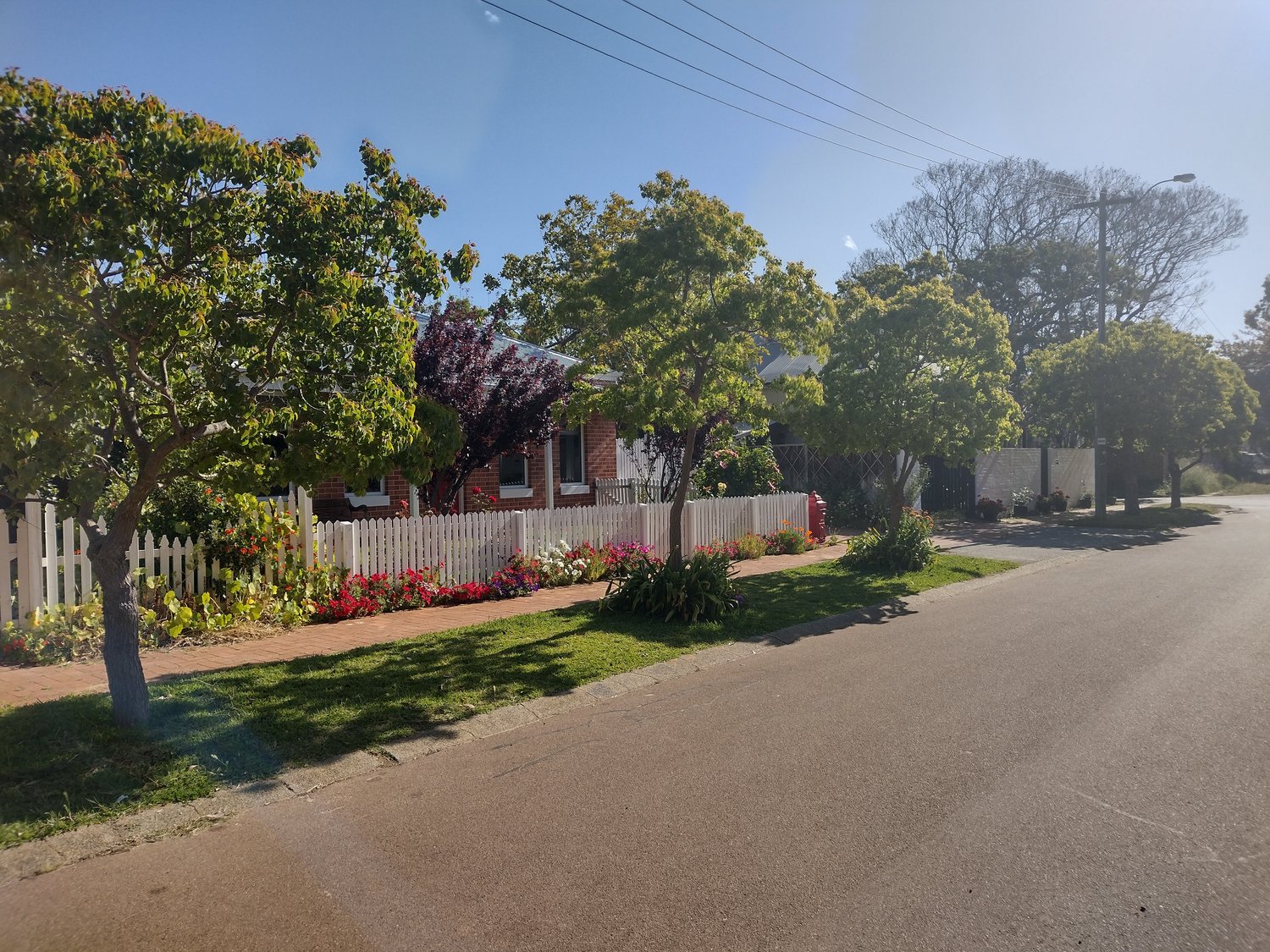
For owners of heritage-listed buildings seeking to understand their obligations and opportunities, Trace Archaeology provides clear advice on what the listing means, what consent processes apply and how to navigate them effectively.
Trace Archaeology is a division of Trace Enterprises, which brings heritage, environmental and planning specialists together under one roof.
More Historic Heritage Services services
Why is the building significant, and what do the rules allow?
Built heritage assessments evaluate the cultural heritage significance of historic buildings, structures and the built fabric of heritage places, establishing what is significant, why, and how that significance should inform decisions about alteration, development, conservation and management. In WA, built heritage assessments are needed in a range of situations: development applications affecting heritage-listed buildings, proposals to alter or demolish places on the State Register or a local heritage list, referrals and consents under the Heritage Act 2018, and conservation management planning for significant built places.
Trace Archaeology prepares built heritage assessments for property developers, building owners, architects, local governments and state agencies across the Perth metropolitan area and regional WA. Our heritage professionals assess buildings from colonial-era limestone buildings and Federation-era commercial premises to interwar workers' cottages, mid-century civic buildings and industrial structures, applying the Heritage Council's criteria and local government heritage frameworks. For area-wide or council work, see Local & Historic Heritage Surveys.
Our built heritage assessments combine archival research with a physical inspection of the building or structure, documenting its original design, construction history, later alterations, current condition and how much of its significant fabric, character and setting has been retained. We assess significance against the relevant criteria, identify the elements that contribute to or detract from significance, and explain what the assessment means for proposed works.
Where development or alteration is proposed, our assessments address the impact of the proposal on the significant fabric and character of the place: what can be altered, what should be retained, and what measures could reduce the heritage impact of unavoidable changes. We work with architects and developers on design responses that meet their objectives while keeping the heritage values that matter, and we engage with DPLH, the Heritage Council and local government heritage officers on our clients' behalf.
For owners of heritage-listed buildings seeking to understand their obligations and opportunities, Trace Archaeology provides clear advice on what the listing means, what consent processes apply and how to navigate them effectively.
Trace Archaeology is a division of Trace Enterprises, which brings heritage, environmental and planning specialists together under one roof.
Explore our other services
All heritage services →
All environmental services →
All planning services →
Every heritage, environmental and planning project starts with the right conversation.
Tell us what you are planning and where. We'll tell you what assessments and approvals it needs, who should be involved and what happens next.