
Noongar heritage agreement
What the Noongar Standard Heritage Agreement is, who must use it, its survey steps and timeframes, and how it fits with Section 18 in WA.
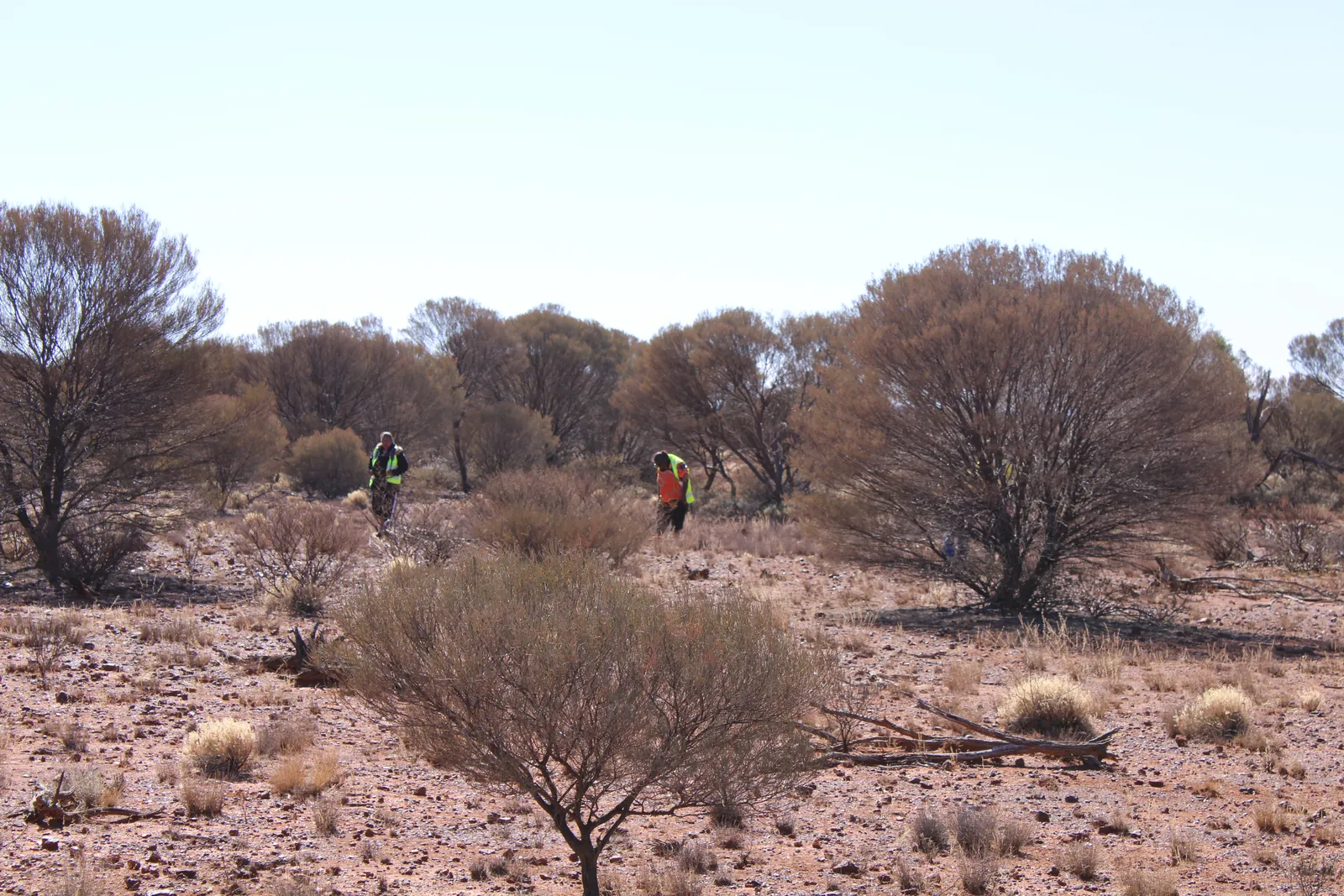
The Noongar Standard Heritage Agreement (NSHA) is a standard agreement that sets out how Aboriginal heritage surveys are arranged and carried out across the South West Native Title Settlement area. It has applied since 8 June 2015 and works alongside the Aboriginal Heritage Act 1972.
This guide explains who must use the NSHA, who may choose to, the steps and timeframes it sets, and how it connects to Section 18 consent. For help with Aboriginal heritage work in the south west, see our Aboriginal archaeology and anthropology services.
If you are planning ground disturbing work in the south west of Western Australia, the NSHA may come up early in project planning. This guide sets out what the agreement does and how its process runs, based on the State Government's current NSHA material and the NSHA template.
What is the Noongar Standard Heritage Agreement?
The NSHA was negotiated by the South West Aboriginal Land and Sea Council (SWALSC), the Noongar Agreement Groups and the Western Australian Government. It sets a standard process for Aboriginal heritage surveys and land approvals, so that activities which may affect Aboriginal sites comply with the Aboriginal Heritage Act 1972 and its regulations.
The NSHA is Annexure C to the six Indigenous Land Use Agreements (ILUAs) that make up the South West Native Title Settlement. The Settlement covers about 200,000 square kilometres of the south west and commenced on 25 February 2021. The NSHA has applied since the ILUAs were executed on 8 June 2015.
The NSHA does not replace the Act. Nothing in it authorises a breach of the Aboriginal Heritage Act 1972, which still applies across the Settlement area.
The six ILUA areas and Regional Corporations
The Settlement area is divided into six ILUA areas. Since 9 December 2022, six Noongar Regional Corporations have been parties to the ILUAs and are responsible for entering into NSHAs in their own areas, using updated regional templates.
- Ballardong People ILUA: Ballardong Aboriginal Corporation
- Gnaala Karla Booja ILUA: Gnaala Karla Booja Aboriginal Corporation
- South West Boojarah #2 ILUA: Karri Karrak Aboriginal Corporation
- Wagyl Kaip & Southern Noongar ILUA: Wagyl Kaip Southern Noongar Aboriginal Corporation
- Whadjuk People ILUA: Whadjuk Aboriginal Corporation
- Yued ILUA: Yued Aboriginal Corporation
As at the State Government's update of 8 September 2026, the Ballardong, Gnaala Karla Booja and Whadjuk corporations have authorised SWALSC officers to coordinate advice on agreements and process Activity Notices, while Karri Karrak, Wagyl Kaip Southern Noongar and Yued are contacted directly.
Who must use the NSHA, and who may
In short, State Government agencies must use the NSHA, many mining and petroleum titles require it or a similar agreement, and local governments and private land users may choose to.
| Proponent | Must use an NSHA? | Notes |
|---|---|---|
| State Government departments, agencies and instrumentalities | Yes, where an Aboriginal heritage survey is needed and no heritage agreement was in place at 8 June 2015 | Applies on private land as well as public land |
| Mining and petroleum title holders (titles after 8 June 2015) | A heritage condition on the title requires an NSHA or another Aboriginal heritage agreement | Must be in place before rights under the title are exercised |
| Local governments | No legal obligation | A Noongar Heritage Agreement for Local Government is available |
| Private landowners, developers and other land users | No | Encouraged to use an NSHA where an activity may affect Aboriginal heritage; section 17 of the Act still applies |
Local governments are not parties to the ILUAs. The local government version of the agreement was developed with the Western Australian Local Government Association (WALGA).
Whether or not an NSHA applies, every land user is bound by section 17 of the Act. It is an offence to excavate, destroy, damage, conceal or alter an Aboriginal site unless authorised by the Registrar under section 16 or by a consent under section 18. The State's Aboriginal Heritage Due Diligence Guidelines, published with the NSHA documents, help land users assess that risk.
Survey types under the NSHA
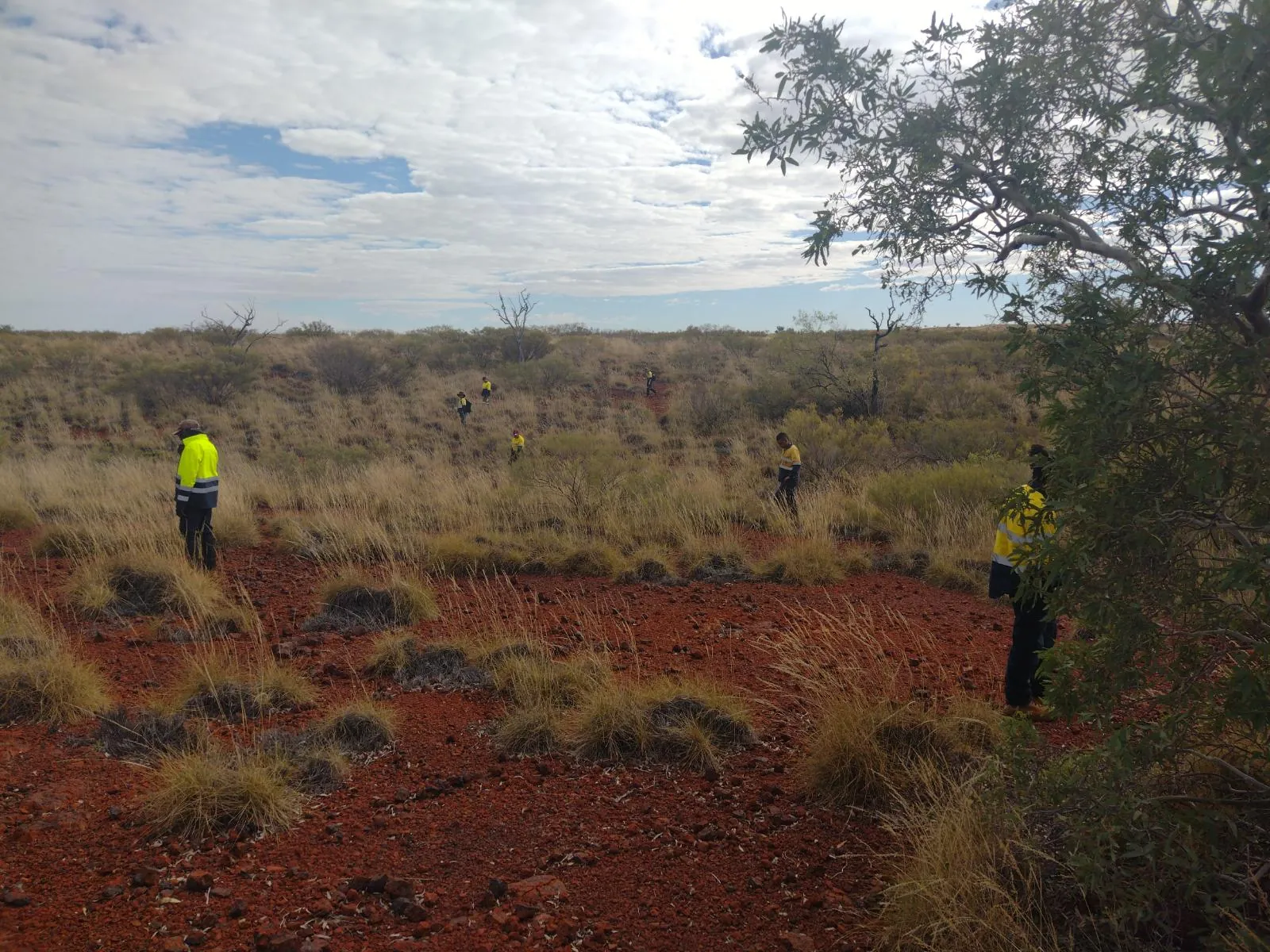
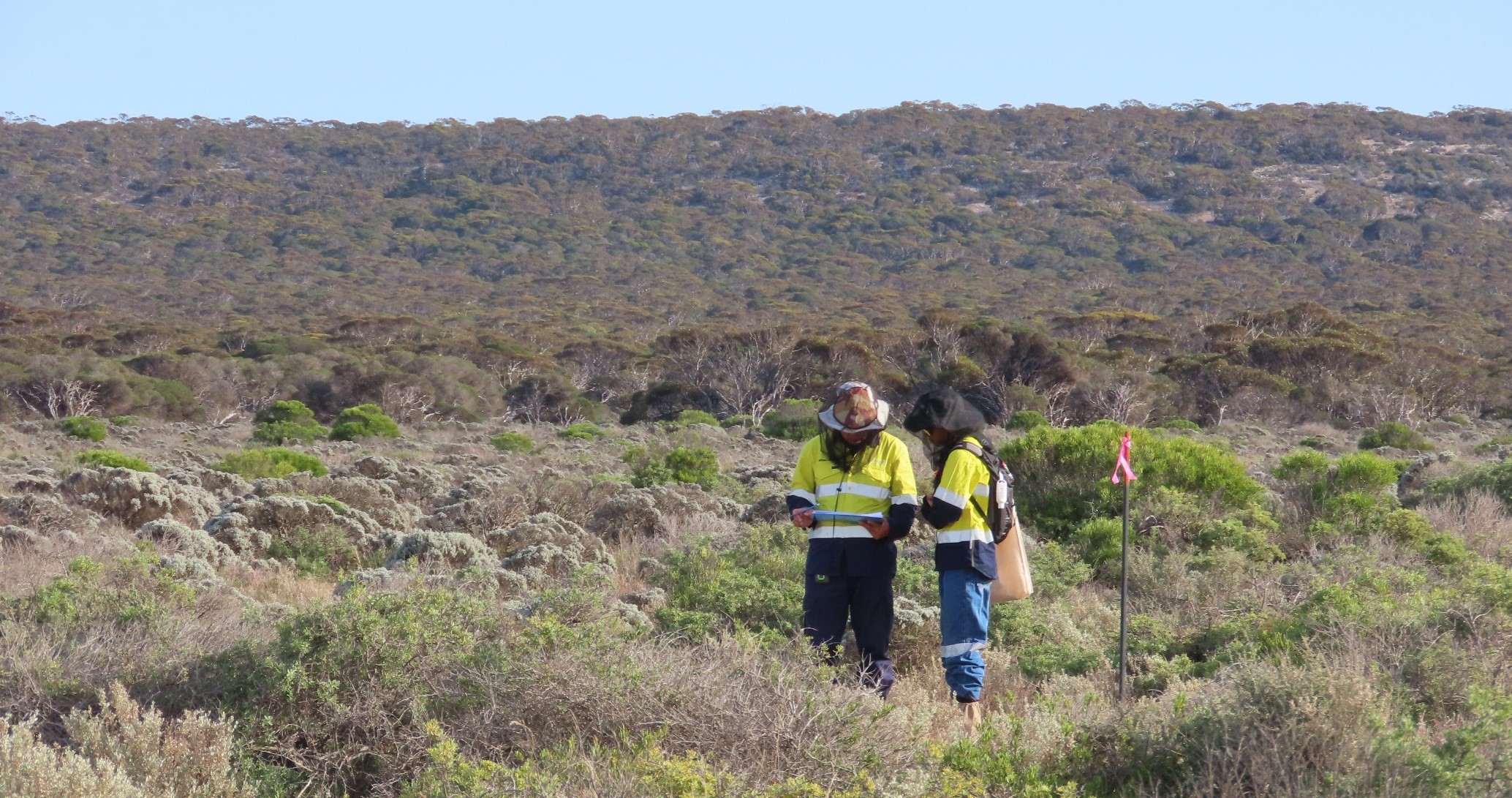
An Aboriginal heritage survey under the NSHA may include anthropological, ethnographic or archaeological investigations, as appropriate. The agreement provides for two survey methodologies:
- Site Identification: the survey team identifies Aboriginal sites within the survey area. The NSHA requires an archaeologist on the team for this type of survey.
- Site Avoidance: the survey team identifies areas where the activity should not be undertaken because of the presence of an Aboriginal site.
The methodology for each survey is agreed between the parties. The survey team is organised by an Aboriginal Heritage Service Provider and includes Aboriginal Consultants. For background on survey types more generally, see our guide to the types of surveys and assessments in Aboriginal cultural heritage.
Steps and timeframes in the NSHA process
The process starts with an Activity Notice from the proponent. A notice is not needed if the proponent reasonably forms the view that no survey is required, or if the activities consist entirely of Minimal Impact Activities or of a class of Low Ground Disturbance Activities that has been notified in writing as not needing a notice. If the proponent is in doubt, the NSHA says it must issue a notice. The State Government publishes templates for the Activity Notice and the Activity Notice Response.
The table below sets out the main steps, who is responsible and the timeframes the NSHA template sets. These are contractual periods in the agreement, measured in Business Days, not statutory periods under the Act, and the parties can agree on some dates between themselves.
| Step | Who | Timeframe set in the NSHA |
|---|---|---|
| 1. Activity Notice describing the proposed activity | Proponent | Before the activity starts |
| 2. Activity Notice Response: whether a survey is needed and, if so, the method, dates, cost estimate and personnel | Regional Corporation | Within 15 Business Days of receiving the notice |
| 3. Survey agreed (the Survey Agreement Date) | Proponent and Regional Corporation | Within 20 Business Days after the proponent receives the response |
| 4. Survey team assembled and fieldwork starts | Aboriginal Heritage Service Provider | Team as soon as possible; fieldwork within the agreed time, or within 30 Business Days of the Survey Agreement Date if no time is agreed |
| 5. Preliminary Advice | Aboriginal Heritage Service Provider or Principal Aboriginal Heritage Consultant | To the Regional Corporation within 5 Business Days, and the proponent within 12 Business Days, of the last fieldwork day |
| 6. Draft Survey Report | Aboriginal Heritage Service Provider or Principal Aboriginal Heritage Consultant | To the Regional Corporation within 15 Business Days, and the proponent within 25 Business Days, of the last fieldwork day |
| 7. Final Survey Report | Aboriginal Heritage Service Provider or Principal Aboriginal Heritage Consultant | Within 35 Business Days of the last fieldwork day |
In summary, the Regional Corporation has 15 Business Days to respond to an Activity Notice, the survey should be agreed within a further 20 Business Days, and the final Survey Report is due within 35 Business Days of the last fieldwork day. Once the proponent has the Preliminary Advice, it may start the activities in its Activity Program, subject to any reasonable recommendations in the advice. It may not start any activity that the advice identifies as potentially breaching the Act.
If a step is not met
If a Regional Corporation misses a time limit, the proponent can give a notice allowing at least 10 Business Days to fix it. If that is not met, the proponent may stop being bound by the survey clauses for that Activity Program and either not proceed or arrange its own surveys. Disputes go to negotiation for 20 Business Days, then mediation and, if needed, arbitration.
Survey costs under the NSHA
The proponent pays survey costs at the rates set out in Schedule 5 of the NSHA, which are indexed each year. The State Government lists the daily rate for Aboriginal Heritage Consultants as $688.66 from 31 August 2026, and the maximum administration fee as 15 per cent of total expenditure, capped at $6,886.60. These figures change each year, so check the State Government's NSHA page for the current rates.
How the NSHA fits with Section 18
Where a site cannot be avoided and the proposed use of the land is likely to breach section 17, the owner of the land can give a notice under section 18 of the Act. The Aboriginal Cultural Heritage Committee makes a recommendation and the Minister decides whether to consent. Notices are lodged through the ACHknowledge portal run by the Department of Planning, Lands and Heritage (DPLH).
The NSHA adds steps before that point. Under clause 15, the proponent must not lodge a section 16 or section 18 application over the agreement area without first giving the Regional Corporation at least 30 Business Days' notice. The proponent must also consult the Regional Corporation, including by making reasonable efforts to meet, and give reasonable notice of that consultation before the application is considered. The NSHA does not otherwise stop an application from being lodged.
The Act also recognises the Regional Corporations directly. For land subject to a settlement ILUA, a regional corporation is a "native title party" under section 18, and an owner or native title party aggrieved by the Minister's decision may apply to the State Administrative Tribunal for a review. Our guide to Section 18 consent covers that process in more detail.
How Trace Archaeology helps
Trace Archaeology's archaeologists and anthropologists work on Aboriginal heritage projects across Western Australia and the Northern Territory, including in the south west. We can help you:
- search the Aboriginal Cultural Heritage Inquiry System (ACHIS) and work through the Due Diligence Guidelines early in planning
- prepare a clear Activity Notice, with maps and a description of the proposed works
- carry out archaeological and anthropological survey work when engaged under an NSHA process, working with the Regional Corporation and Aboriginal Consultants
- prepare survey reports and, where a site cannot be avoided, support a Section 18 notice
See our Aboriginal heritage surveys service, our Aboriginal archaeology and anthropology team and our wider heritage consulting services in Perth, or read our guides to Section 18 consent and survey types in Aboriginal cultural heritage. To talk about a project, contact us.
Frequently asked questions
Do private developers have to sign a Noongar Standard Heritage Agreement?
No. The NSHA is mandatory for State Government agencies and linked to a condition on many mining and petroleum titles. Private landowners and developers are encouraged to use one, and section 17 of the Aboriginal Heritage Act 1972 applies to everyone.
How long does a Regional Corporation have to respond to an Activity Notice?
The NSHA template sets 15 Business Days after the notice is received for the Activity Notice Response. This is a contractual period in the agreement, not a statutory period under the Act.
Who do I contact to enter into an NSHA?
Start with the Regional Corporation for the ILUA area where the activity will take place. The State Government's NSHA page lists contacts for each region and for the DPLH South West Settlement Heritage team.
Does an NSHA replace Section 18 consent?
No. An NSHA sets out a survey and consultation process. If a site cannot be avoided, consent under section 18 is still needed, with at least 30 Business Days' notice to the Regional Corporation first.
This article is general information as at October 2026, not legal advice.
References
All accessed 30 October 2026.
- WA Government, Noongar Standard Heritage Agreement: South West Native Title Settlement (document collection, updated 8 September 2026). wa.gov.au
- WA Government, Noongar Standard Heritage Agreement template, Annexure C to the Settlement ILUAs (Regional Corporation version; publication page updated 9 December 2022). wa.gov.au
- WA Government, NSHA Fact sheet: Entering a NSHA (12 January 2023). wa.gov.au
- WA Government, Fact sheet 4: Noongar Standard Heritage Agreements (last reviewed January 2023). wa.gov.au
- WA Government, South West Native Title Settlement (updated 29 July 2025). wa.gov.au
- Department of the Premier and Cabinet, South West Native Title Settlement (updated 30 July 2025). wa.gov.au
- Aboriginal Heritage Act 1972 (WA), consolidated version 04-n0-00, in force from 28 May 2026. legislation.wa.gov.au
- DPLH, Aboriginal Heritage Act 1972 Guidelines (November 2023). wa.gov.au
Other latest news














Talk to our team
Our archaeologists, ecologists and town planners can tell you what this means for your site.