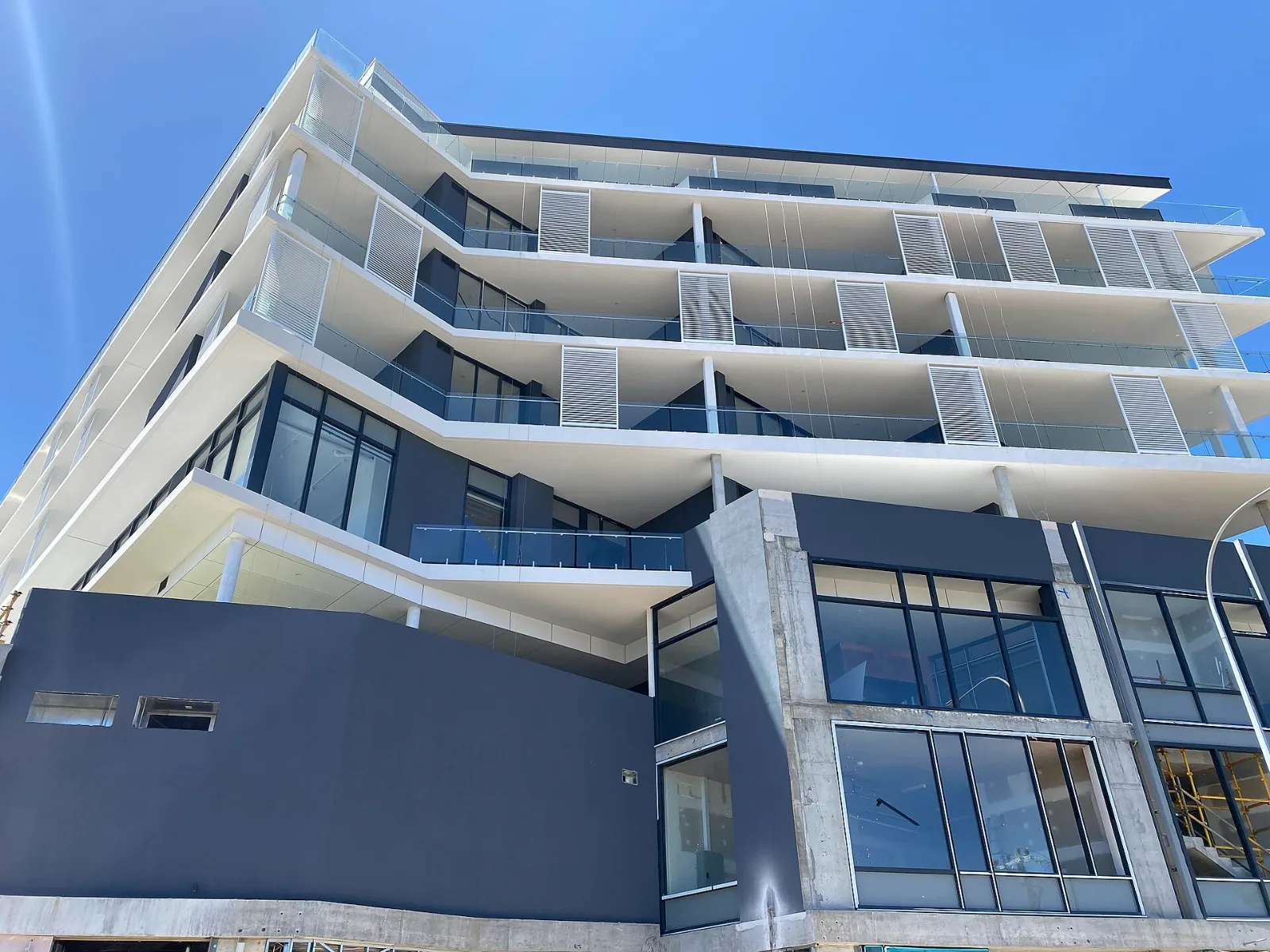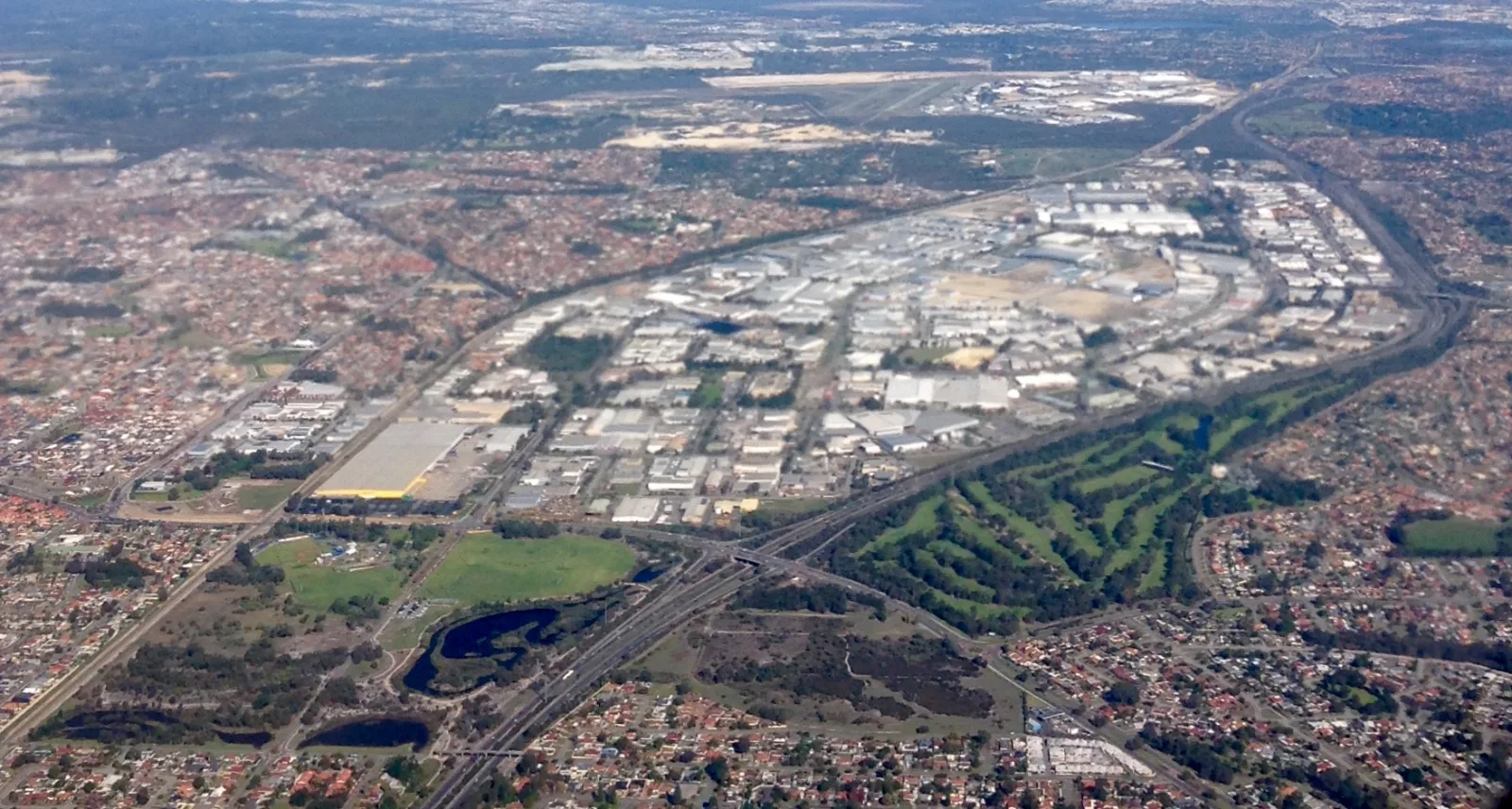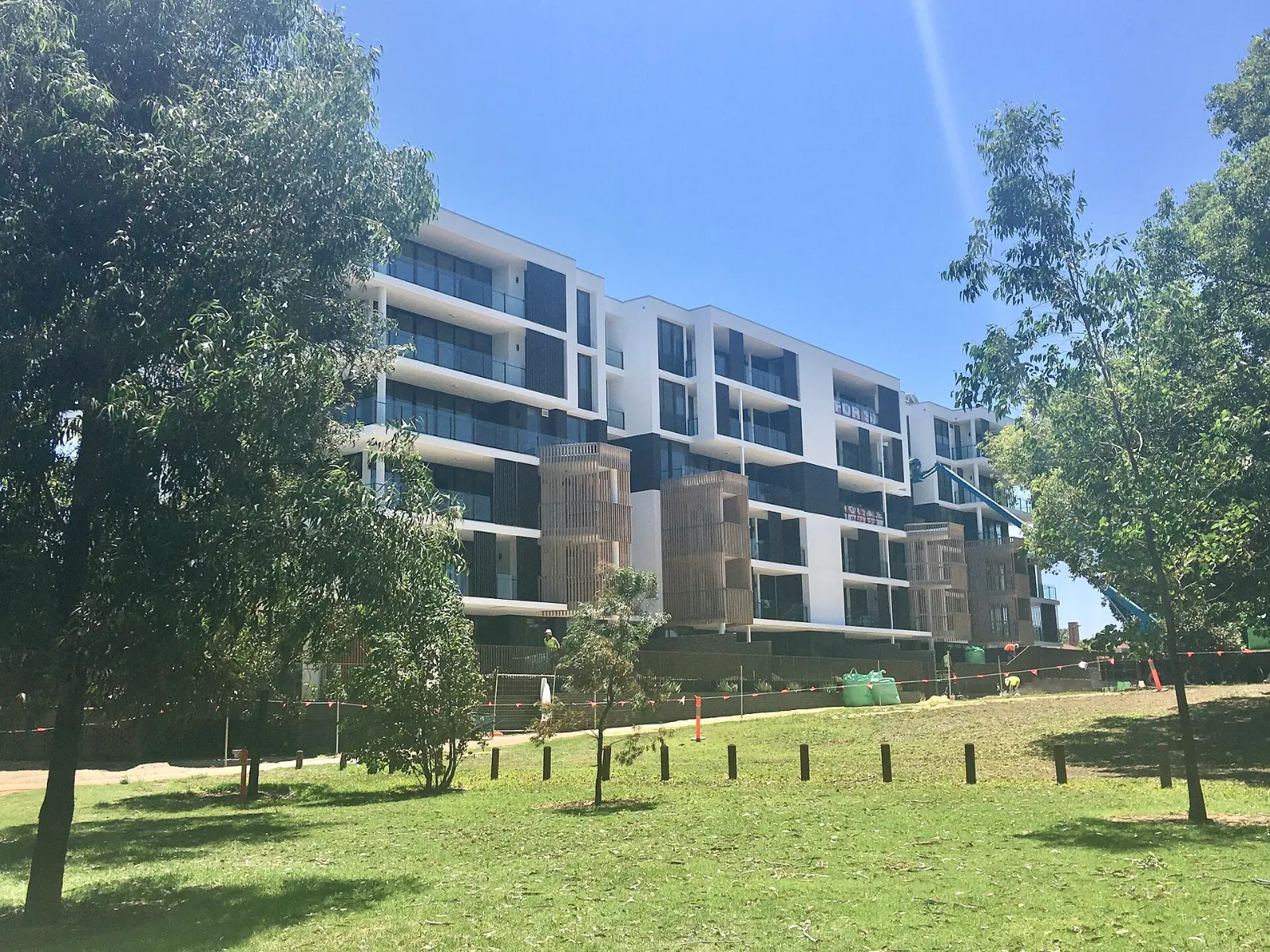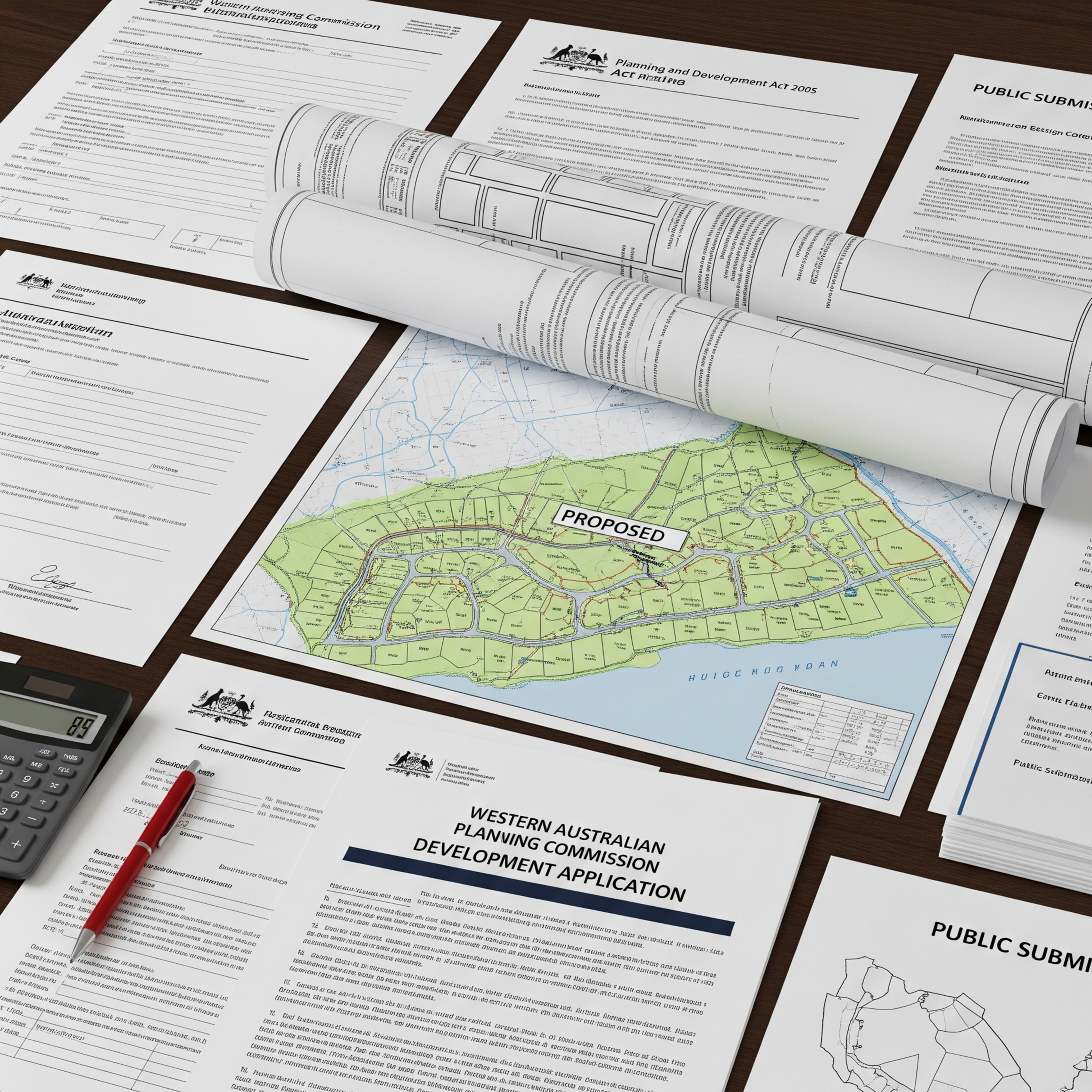
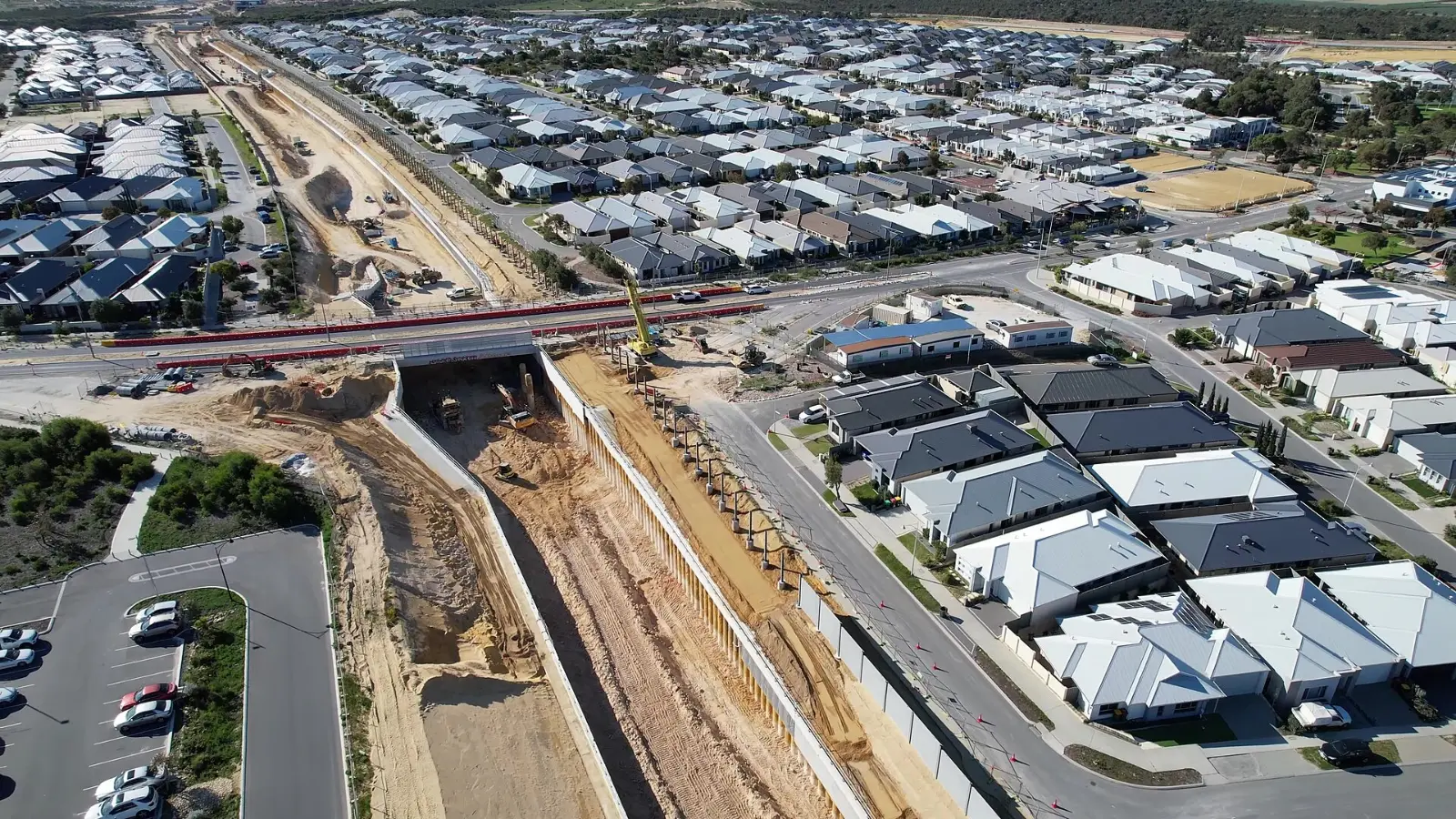

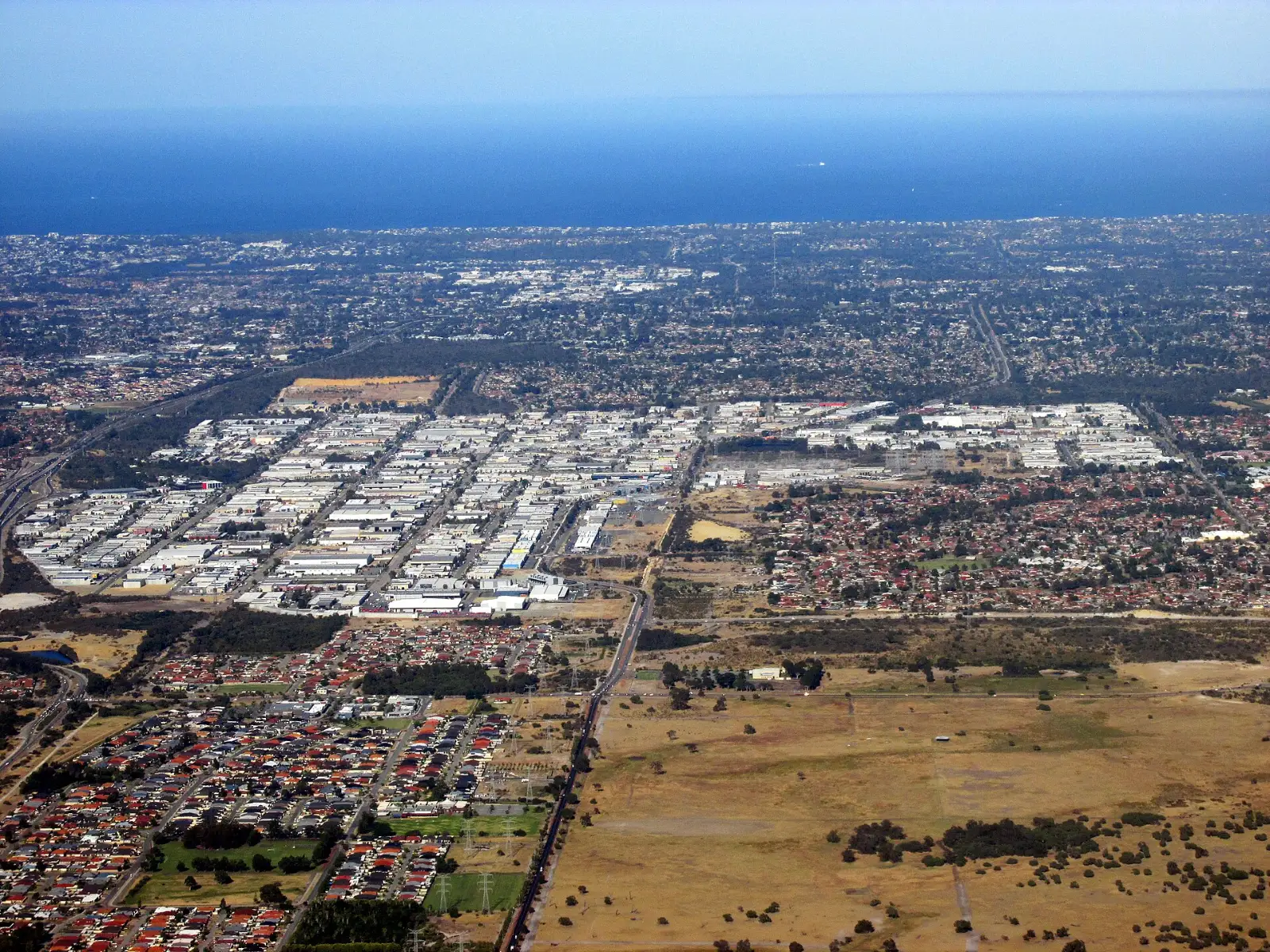
Both plans are made under the deemed provisions in Schedule 2 of the Planning and Development (Local Planning Schemes) Regulations 2015 (WA). The deemed provisions form part of every local planning scheme in WA. Part 4 deals with structure plans and Part 6 with local development plans. The current official version of the Regulations on the WA legislation website is dated 6 October 2026.
What a structure plan is
The Western Australian Planning Commission (WAPC) describes a structure plan as a key planning instrument for coordinating the future zoning, subdivision and development of an area of land. It can apply to greenfield, brownfield or infill areas.
The deemed provisions define two types:
- Standard structure plan. Coordinates the future subdivision and zoning of an area. It shows the intended pattern of street blocks, roads, public open space, zones, reserves and major infrastructure.
- Precinct structure plan. Coordinates future subdivision, zoning and development. It adds guidance on built form and the public realm, and is guided by State Planning Policy 7.2 Precinct Design. WAPC guidance lists activity centres, station precincts, urban corridors and higher density residential areas as typical settings.
A district structure plan is different. It is a WAPC strategic document that coordinates land use and infrastructure at a district level and guides later scheme amendments and structure plans. This guide covers standard and precinct structure plans.
When a structure plan is required
Under clause 15 of the deemed provisions, a structure plan may be prepared for an area when:
- the area is zoned for future urban or industrial development (for example an Urban Development zone) and the scheme requires a structure plan before subdivision or development
- a State planning policy requires one, or
- the WAPC considers a structure plan necessary for orderly and proper planning.
A structure plan can be prepared by the local government, or by a landowner or the owner's agent, such as a town planning consultant. It must follow the manner and form approved by the WAPC. Clause 16 lists what it must address, such as site constraints, land uses, lot yields, infrastructure and staging.
How a structure plan is assessed and approved
The local government receives and advertises the plan, then reports to the WAPC. The WAPC makes the decision.
| Step | Who | Statutory period |
|---|---|---|
| Lodge the application | Owner or agent, to the local government | Taken to be accepted if the local government gives no written decision within 28 days of receipt (or 14 days after requested information is provided) |
| Start advertising | Local government | Within 28 days of accepting or preparing the plan |
| Submissions | Community, landowners and agencies | 42 days, or a longer period the WAPC approves |
| Report to the WAPC | Local government | Within 60 days after advertising, or a later day the WAPC agrees |
| Decision | WAPC | 120 days after receiving the report, not counting time spent on modifications, or a longer agreed period |
| Review | Person who prepared the plan | May apply to the State Administrative Tribunal if the WAPC does not approve it |
In short, once a structure plan is advertised, the deemed provisions allow 42 days for submissions, 60 days for the local government report and 120 days for the WAPC decision. These are statutory periods, not guaranteed timeframes.
The local government's report must include a schedule of submissions with its comments, any proposed modifications, an assessment and a recommendation. The WAPC may approve the plan, ask for modifications and resubmission, or refuse it. If it does not decide within the 120 days, it is taken to have refused approval.
What "due regard" means
Under clause 27, a decision-maker must have due regard to an approved structure plan when deciding a subdivision or development application, but is not bound by it. WAPC guidance says a decision-maker should not set aside the plan or its key provisions unless that is warranted and justified in the decision.
If no structure plan has been approved for an area that needs one, an application can still be approved if it does not conflict with orderly and proper planning and would not prejudice the overall development potential of the area. In greenfield areas, WAPC guidance says proposals ahead of an approved plan may not be supported.
How long a structure plan approval lasts
Under clause 28, approval generally has effect for 10 years from the day the WAPC approves the plan, or another period the WAPC sets. After that it expires.
- The proponent or the local government can ask the WAPC to extend the approval before it expires, provided the terms of the plan are not changed. WAPC's 2025 fact sheet recommends starting these discussions at least 12 months before expiry.
- Plans approved before the deemed provisions began are treated as approved on 19 October 2015, so their 10 years ran out in October 2025 unless extended.
- The WAPC can revoke an approval in some cases, for example where a new plan replaces it or the plan has been implemented.
- An amendment follows a similar process. The local government may decide not to advertise an amendment that it and the WAPC consider minor. An amendment does not extend the 10 year approval period.
What a local development plan is
A local development plan (LDP) guides and coordinates development on specific lots or small areas. WAPC's framework says it links lot design to future development, mainly to achieve better built form on small or constrained lots. It usually sets controls such as building envelopes, setbacks, boundary walls, garage and vehicle access locations, fencing, private open space and noise attenuation.
Under clause 47, a local development plan may be prepared if:
- the WAPC has made it a condition of subdivision approval
- a local planning policy, structure plan or other scheme provision requires one, or
- the WAPC and the local government consider it necessary for orderly and proper planning.
The WAPC's framework says LDPs suit limited situations such as lots under 260 m², irregular lots, lots that need vehicle access control, lots next to public open space and lots with site constraints. Outside those cases it describes them as generally discouraged because they add another layer to the planning system.
Who approves an LDP and the statutory periods
The local government approves LDPs, not the WAPC. The local government or a landowner (or agent) may prepare one. Part 6 of the deemed provisions sets these statutory periods:
- the application is taken to be accepted if there is no written decision within 14 days of receipt
- if the plan is advertised, advertising must start within 28 days of acceptance, with at least 14 days for submissions
- the local government has 60 days after submissions close to decide, otherwise the plan is taken to be refused
- approval generally lasts 10 years, or another period the local government sets, and can be extended
- the person who prepared the plan may apply to the State Administrative Tribunal to review a decision not to approve it.
How an LDP can vary the R-Codes
The Residential Design Codes Volume 1 (version 3, 10 April 2026) let a local government adopt an LDP that amends, replaces or augments some deemed-to-comply provisions. Varying any other deemed-to-comply provision needs WAPC approval. Any variation must meet the criteria in clause 3.1, including responding to a specific local need and being consistent with orderly and proper planning.
The R-Codes also state that an LDP should not be used for the sole purpose of amending or replacing deemed-to-comply provisions. Under clause 3.2.2, a precinct structure plan may amend, replace or augment any deemed-to-comply provision. Our guide to R-Codes R20 to R40 explains how density codes work.
| Feature | Structure plan | Local development plan |
|---|---|---|
| Scale | A whole area or precinct | Specific lots or a small area |
| Main purpose | Zoning, lot layout, open space, roads and infrastructure | Built form and access on each lot |
| Approved by | WAPC, on the local government's report | Local government |
| Advertising | 42 days, or longer if the WAPC approves | At least 14 days |
| Decision period | 120 days | 60 days |
| Approval lasts | 10 years unless the WAPC sets another period | 10 years unless the local government sets another period |
| Legal weight | Due regard | Due regard |
Put simply, a structure plan works at area scale and is decided by the WAPC, while an LDP works at lot scale and is decided by the local government. Both are given due regard rather than binding effect.
How they fit with subdivision and development approval
The usual sequence in a new area is scheme zoning, then a structure plan, then subdivision, then development. The WAPC decides subdivision applications and has due regard to the structure plan. A structure plan can leave further details to be approved later: by the WAPC before subdivision approval, or by the local government before development approval, provided the details do not substantially depart from the plan.
The WAPC can require an LDP as a condition of subdivision approval. Under clause 61 of the deemed provisions, works that an LDP specifies as not requiring development approval can be exempt. Our step-by-step guide to subdivision in WA covers the subdivision stage.
Changes under way
The WAPC consulted on a draft Local Development Plans chapter of the WA Planning Manual from 2 June to 28 July 2026, aligned with proposed updates to the Regulations. Until any change takes effect, the current deemed provisions apply and the 2015 framework remains the published WAPC guidance.
How Trace Planning helps
Trace Planning prepares structure plans, activity centre plans and local development plans for landowners and developers in Perth and regional WA. We:
- check if your land needs a structure plan or LDP under the scheme and State policy
- prepare plans in the WAPC's manner and form and coordinate technical reports
- lodge applications and respond to submissions and requests for information
Decisions rest with the local government and the WAPC, so no consultant can promise an outcome or timeframe. Read more about our structure planning and urban design work and the full range of town planning services. To talk about your site, contact us.
Frequently asked questions
Who approves a structure plan in WA?
The Western Australian Planning Commission. The local government receives, advertises and assesses the plan, then sends a report and recommendation to the WAPC, which approves it, asks for modifications or refuses it.
How long does a structure plan last in WA?
Approval generally has effect for 10 years from the date the WAPC approves it, or another period the WAPC sets. The proponent or local government can ask for an extension before it expires.
Who approves a local development plan?
The local government. It has 60 days after submissions close to decide; if it does not decide in that time, the plan is taken to be refused.
Can a local development plan change the R-Codes?
In part. An LDP can amend, replace or augment some deemed-to-comply provisions of the R-Codes Volume 1, and others with WAPC approval. The R-Codes say an LDP should not be used for that purpose alone.
This article is general information as at October 2026, not legal advice.
References
All accessed 23 October 2026.
- Planning and Development (Local Planning Schemes) Regulations 2015 (WA), Schedule 2 deemed provisions, Parts 4 and 6 and clause 61, official version as at 6 October 2026 (01-a0-00). legislation.wa.gov.au
- Western Australian Planning Commission, WA Planning Manual: Guidance for Structure Plans, version 1.0, August 2023. wa.gov.au
- Western Australian Planning Commission, WA Planning Manual: Guidance for Structure Plans page (updated 5 February 2025). planning.wa.gov.au
- Western Australian Planning Commission, Fact sheet: Structure plans, proposal to extend duration (6 February 2025). planning.wa.gov.au
- Western Australian Planning Commission, WA Planning Manual: District Structure Plans (updated 28 April 2026). planning.wa.gov.au
- Western Australian Planning Commission, Framework for Local Development Plans, version 1, August 2015. planning.wa.gov.au
- Western Australian Planning Commission, WA Planning Manual (updated 8 October 2025). planning.wa.gov.au
- Western Australian Planning Commission, "Have your say on local development plans" (2 June 2026). planning.wa.gov.au
- Western Australian Planning Commission, State Planning Policy 7.3 Residential Design Codes Volume 1, version 3, 10 April 2026 (clauses 3.1, 3.2.2 and 3.2.4). wa.gov.au
- DPLH, Residential Design Codes Volume 1 (including medium density) (updated 12 August 2026). wa.gov.au
Photo credits (Wikimedia Commons): New housing estate and rail corridor at Alkimos, north of Perth, August 2023: Luc Perreau, CC BY 3.0; Rail extension and road bridge through new suburbs at Alkimos, August 2023: Luc Perreau, CC BY 3.0; The Mitchell Freeway and Joondalup from the air: Hollett.rb, CC BY-SA 4.0.