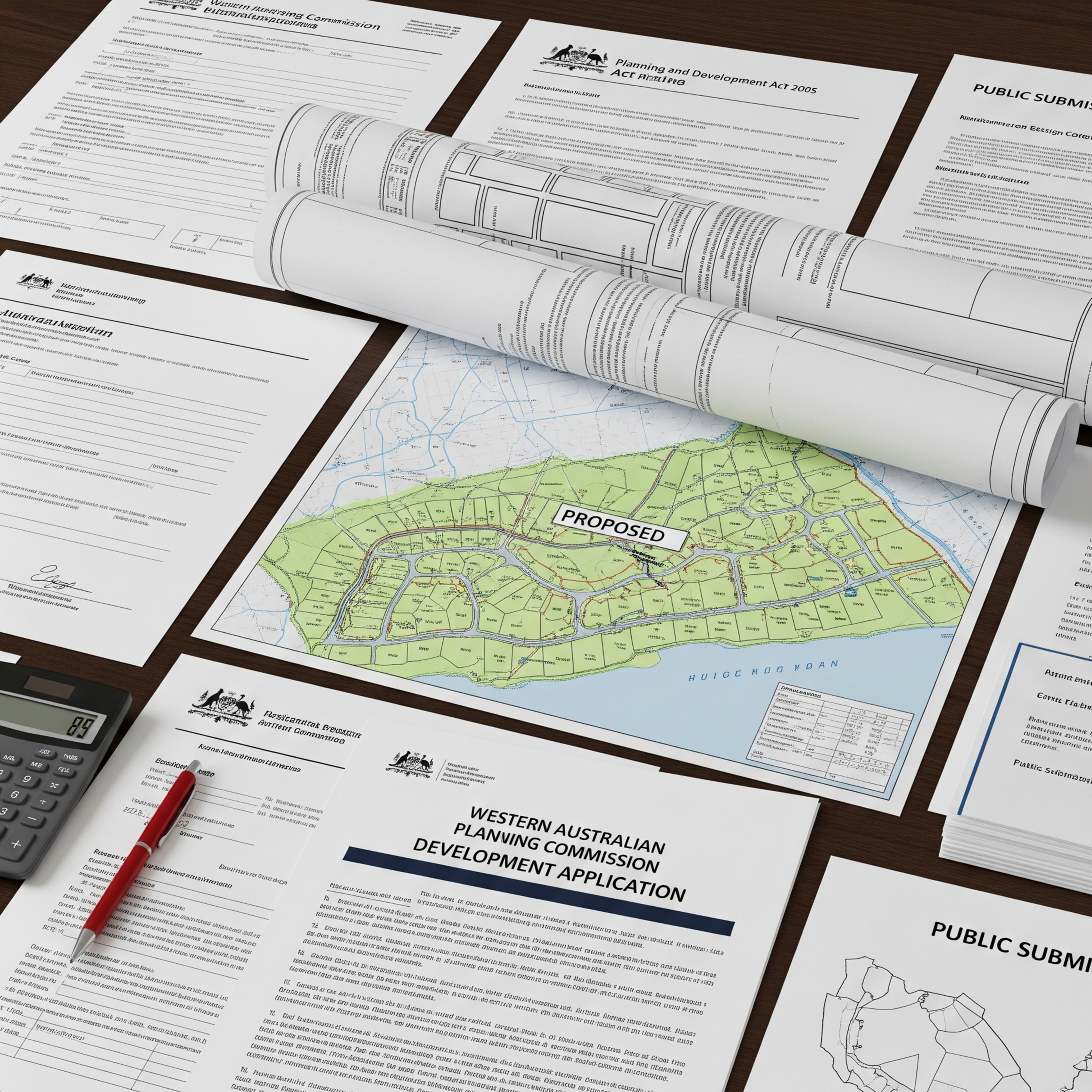

The Banksia Woodlands of the Swan Coastal Plain ecological community is listed as endangered under the Environment Protection and Biodiversity Conservation Act 1999 (Cth) (EPBC Act). The listing took effect on 16 September 2016. Not every stand of banksias is part of the protected community. A patch has to match the key diagnostic characteristics and meet a minimum condition and size, which are set out in the Commonwealth's approved conservation advice. This guide sets out those tests, the WA listings that sit alongside them, and how flora and vegetation surveys answer the question for a particular site.
What the ecological community is
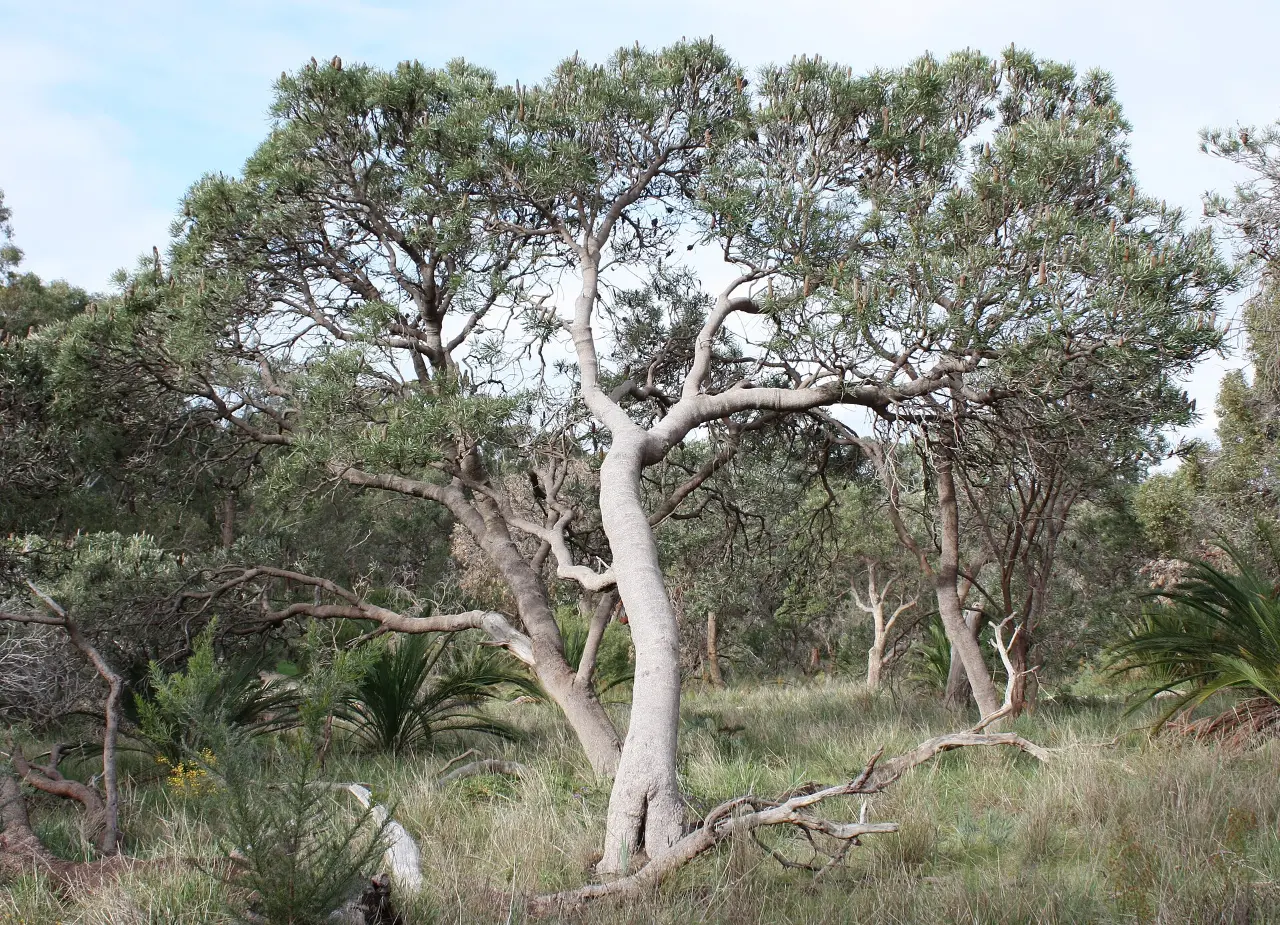
The conservation advice for the community was approved on 26 August 2016. It describes a low woodland to forest with an upper layer of low trees, sometimes large shrubs over 2 m, usually dominated or co-dominated by banksias. Eucalypts or sheoaks (Allocasuarina) over 10 m tall may emerge above them. The understorey is often very rich in species, with shrubs of various heights and a ground layer of rushes, sedges and herbs.
The community occurs mainly in the Swan Coastal Plain bioregion, in the Perth and Dandaragan subregions, from around Jurien Bay in the north to Dunsborough in the south. It includes the Dandaragan Plateau and pockets in the adjacent lower parts of the Darling and Whicher escarpments. It usually grows on deep, well-drained, low-nutrient sands, especially the Bassendean and Spearwood sands.
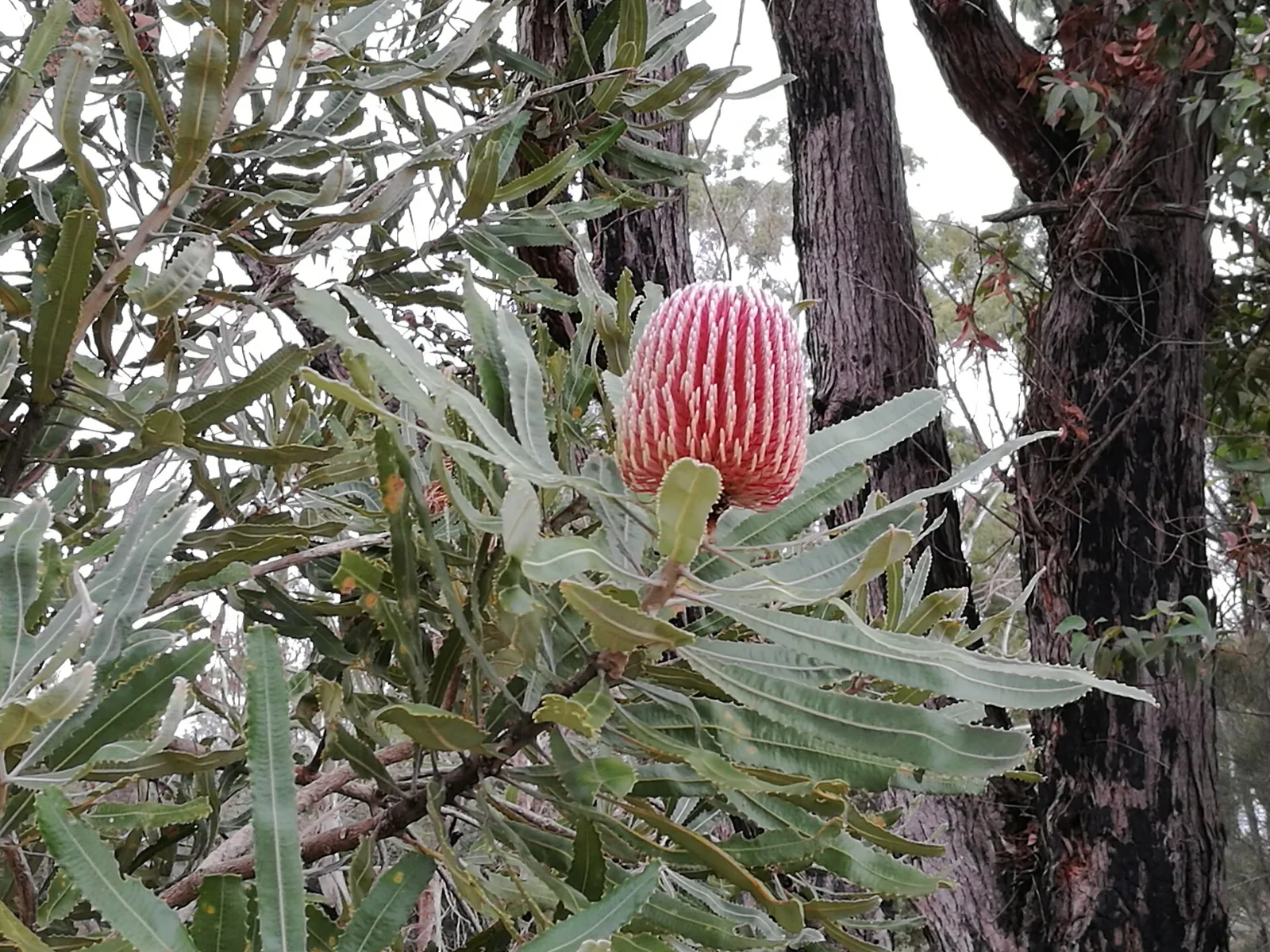
The canopy must include at least one of four diagnostic species: Banksia attenuata, Banksia menziesii, Banksia prionotes or Banksia ilicifolia. The first two are the most common dominants. The advice also lists contra-indicators. For example, a patch clearly dominated by Banksia littoralis is a dampland community, not part of the listed woodland.
Why it was listed
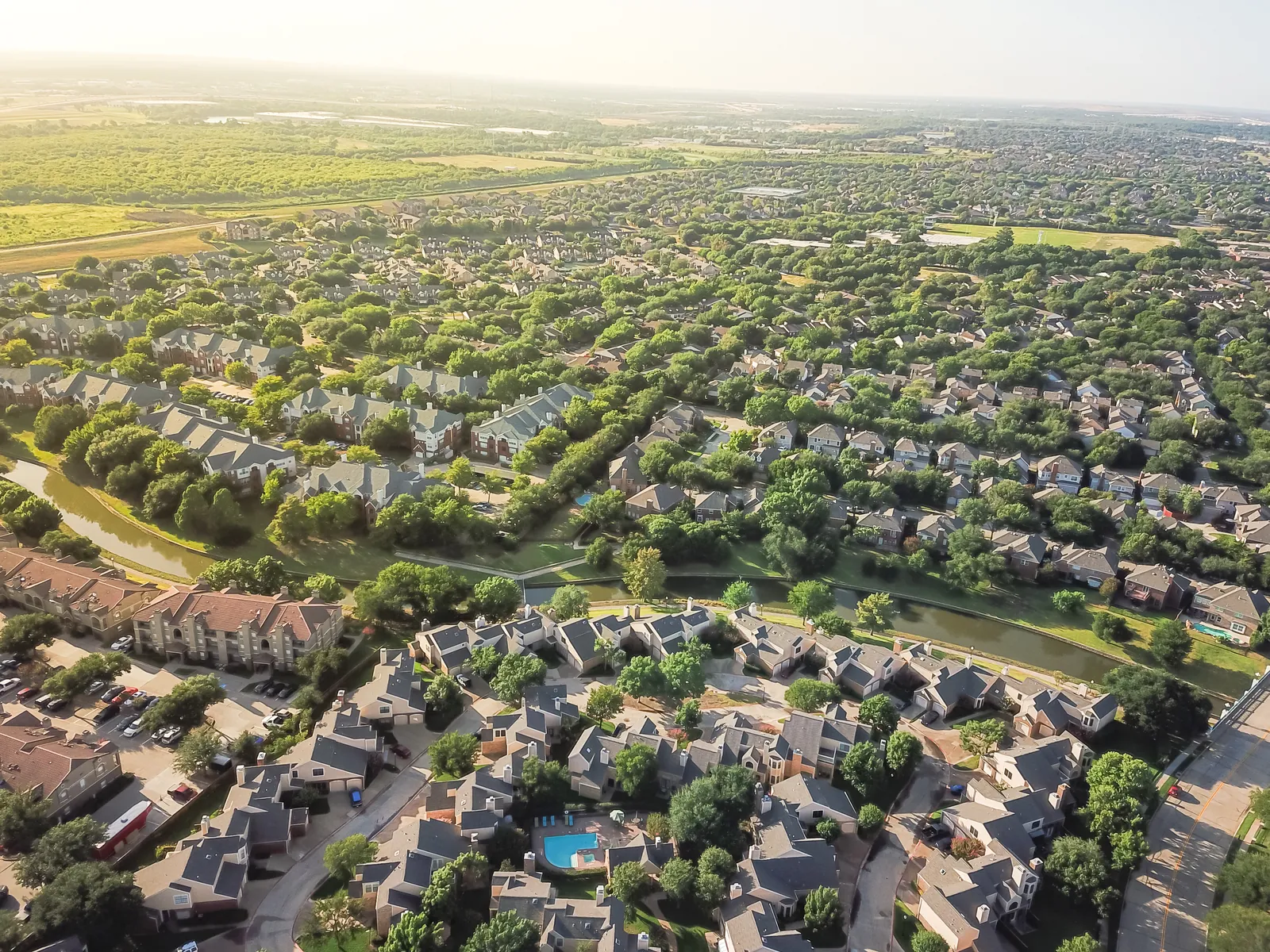
The conservation advice estimates that the community has declined by about 50 to 60 per cent across the Swan Coastal Plain. It puts the current extent at about 336,490 hectares, with about 24 per cent in reserves. What remains is highly fragmented. About 82 per cent of patches are smaller than 10 hectares, and the median patch size is estimated to have fallen from about 146 hectares before European settlement to 1.6 hectares.
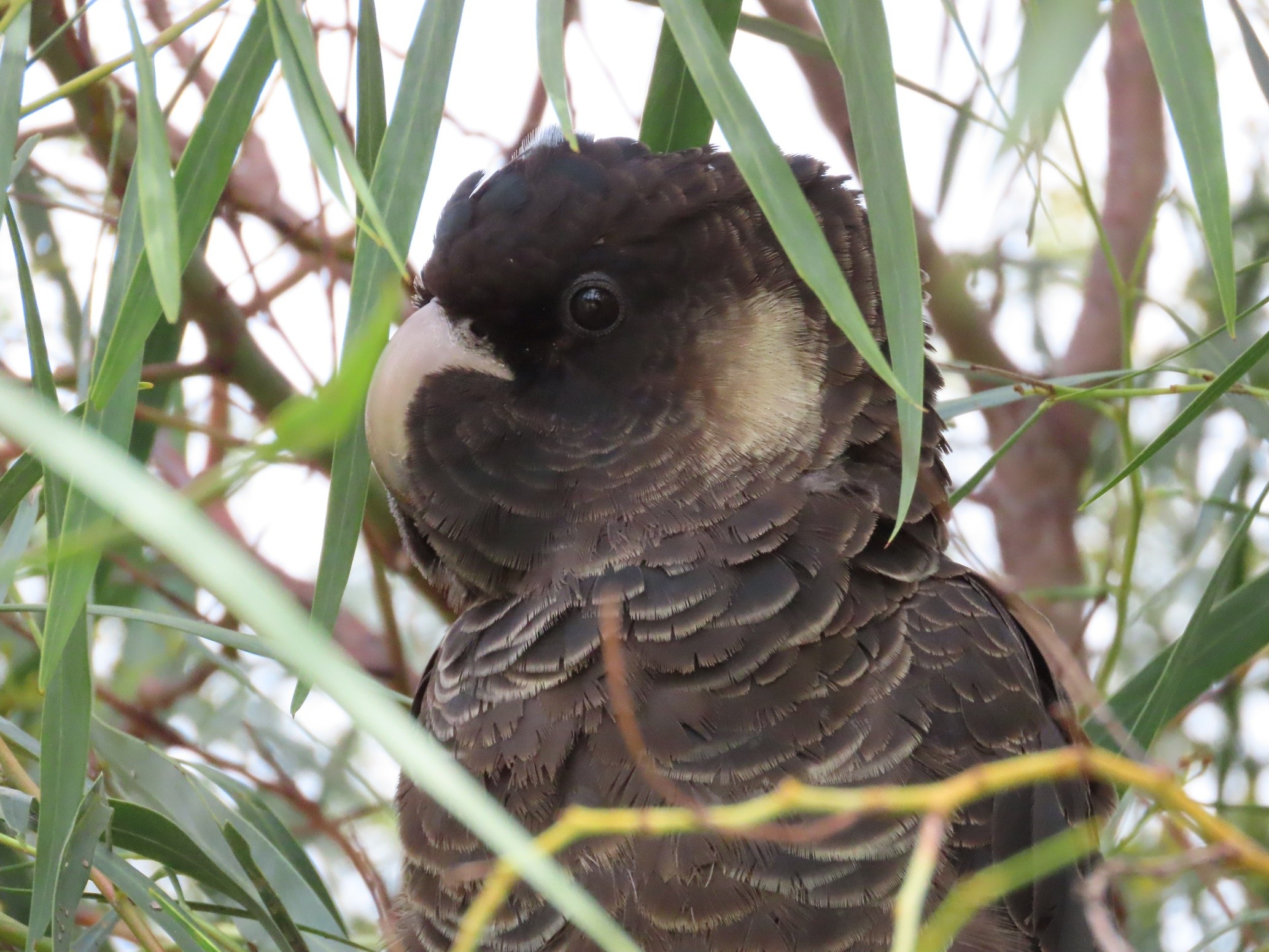
The community was found eligible for listing as endangered under two criteria: a small distribution coupled with demonstrable threat, and a reduction in community integrity. The advice also records its value as habitat. Carnaby's cockatoo feeds on banksia flowers and cones, and on the Swan Coastal Plain the turtle frog (Myobatrachus gouldii) occurs only in Banksia woodlands.
How a patch is identified
The conservation advice sets out a test in steps. First, does the vegetation match the key diagnostic characteristics: location, soils and landform, structure and the diagnostic banksia species? Second, what condition is it in? Third, is the patch large enough for that condition category?
Condition is rated on a scale from Pristine to Completely Degraded, based on how intact the vegetation structure is, how much disturbance there is and how aggressive the weeds are. To count as part of the protected community, a patch must be in at least Good condition and meet the minimum size for its category.
| Condition category | What it looks like (summary) | Minimum patch size |
|---|---|---|
| Pristine | No obvious signs of disturbance | No minimum |
| Excellent | Structure intact; disturbance affects individual species only; weeds are non-aggressive | 0.5 ha |
| Very Good | Structure altered; obvious signs of disturbance, such as repeated fire, dieback, logging or grazing | 1 ha |
| Good | Structure altered, but the basic structure remains or can regenerate | 2 ha |
| Degraded or Completely Degraded | Below the threshold | Not part of the listed community |
In short, the poorer the condition, the larger a patch must be to qualify, and patches in Degraded or Completely Degraded condition fall outside the national listing.
Where one patch ends
The advice treats a patch as a discrete and mostly continuous area of the community. Small gaps, tracks and disturbances of less than 30 m are generally part of the patch. A break in native vegetation of 30 m or more from the edge of the tree canopy typically means there are separate patches. Variation in quality within a patch should not, at first, be read as evidence of several patches.
Buffer zones
The advice recommends a buffer of at least 20 to 50 m from the outer edge of a patch, and a larger buffer for high-value patches or where drainage, nutrient enrichment or groundwater drawdown could affect it. Buffers are not formally protected. However, the advice states that an activity in a buffer that is likely to have a significant impact on the community would need EPBC Act approval.
When an EPBC referral may be needed
Section 18 of the EPBC Act prohibits actions that have, or are likely to have, a significant impact on listed threatened species or critically endangered or endangered ecological communities, unless they are approved. The person proposing the action is responsible for working out whether a significant impact is likely.
The self-assessment guidance from the National Environmental Protection Agency (National EPA) points to the Matters of National Environmental Significance: Significant Impact Guidelines 1.1. For an endangered ecological community, the guidelines say an action is likely to have a significant impact if there is a real chance or possibility that it will:
- reduce the extent of the community
- fragment it, or increase its fragmentation
- adversely affect habitat critical to its survival
- modify or destroy non-living factors it needs to survive, such as groundwater levels
- cause a substantial change in the species composition of an occurrence
- cause a substantial reduction in the quality or integrity of an occurrence
- interfere with its recovery.
Under the guidelines, a significant impact does not need to be more likely than not. A real, not remote, chance or possibility is enough. The National EPA advises that if your self-assessment shows a significant impact, or you are unsure, you should refer the project, and it offers free pre-referral meetings. Its referral guidance warns that failing to refer an action can result in serious penalties.
A referral decision may find that the project is a controlled action that needs further assessment, is not a controlled action, is not a controlled action if taken in a particular manner, or is clearly unacceptable. A referral that covers only part of a larger action can also be refused. The EPBC Act is being amended in stages, and new approval tests commence on or before 1 December 2026. Our guide to the EPBC changes from 1 December explains the dates.
The WA listings
The national listing sits alongside WA's own lists, kept by the Department of Biodiversity, Conservation and Attractions (DBCA). DBCA's Priority Ecological Communities for Western Australia (Version 35, 19 June 2023) includes Banksia woodlands of the Swan Coastal Plain as a Priority 3(iii) community. It notes that the description, area and condition thresholds of the EPBC listing also apply to the priority community. DBCA defines Priority 3(iii) communities as large or widespread communities that are under threat of modification across much of their range.
Some types of Banksia woodland are also listed as threatened ecological communities under the Biodiversity Conservation Act 2016 (WA). For example, DBCA's profile of Banksia attenuata woodlands over species rich dense shrublands (floristic community type 20a), current as at September 2023, lists it as critically endangered. The conservation advice lists the floristic community types that make up the national community.
Threatened ecological communities are one of the classes of environmentally sensitive area under the notice gazetted on 8 April 2005. The WA Government's page on environmentally sensitive areas states that the exemptions under the clearing regulations do not apply within these areas, so a clearing permit is required, except for clearing under the Schedule 6 exemptions.
| Listing | Status | What it means |
|---|---|---|
| Environment Protection and Biodiversity Conservation Act 1999 (Cth) | Endangered, from 16 September 2016 | Actions likely to have a significant impact on a qualifying patch need Commonwealth approval |
| DBCA Priority Ecological Communities list | Priority 3(iii) | The EPBC description, area and condition thresholds also apply |
| Biodiversity Conservation Act 2016 (WA) | Some component types listed, such as floristic community type 20a (critically endangered) | State-listed threatened ecological communities are a class of environmentally sensitive area |
In practice, one site can be subject to both Commonwealth and State processes, and each needs to be checked.
How surveys answer the question
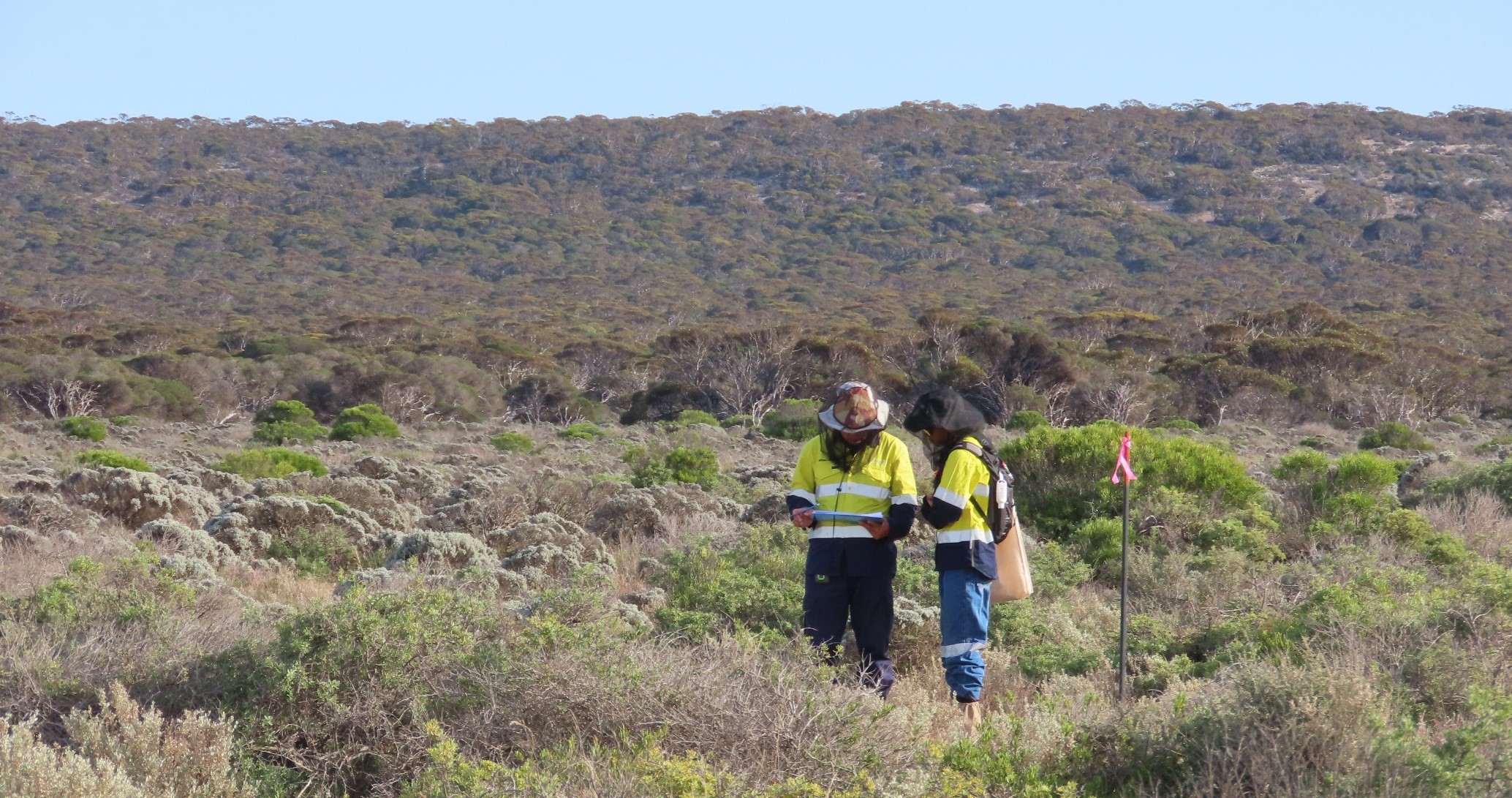
Whether a site holds the listed community is a question of fact, answered in the field. The conservation advice recommends surveys in spring, ideally in two sampling periods to capture early and late flowering species. It recommends plots of at least 100 m², with at least one hour per plot in early to mid spring and a second survey in late spring where needed. Recently burnt areas may need to be surveyed at least one year after the fire.
The Environmental Protection Authority's Technical Guidance: Flora and Vegetation Surveys for Environmental Impact Assessment (December 2016) gives spring (September to November) as the primary survey period in the South West, with a supplementary survey after autumn rains. It says a search of the Commonwealth and State databases of threatened and priority ecological communities is essential for all surveys. It also says vegetation condition should be mapped across a site, with a table of the area of each condition rating, and that the report should analyse whether the vegetation recorded represents a known threatened or priority ecological community.
The result is a map of vegetation units and condition that can be tested against the patch rules above. Our guide to flora and fauna survey levels explains the survey types in more detail.
What to check before you plan works
- Search the Protected Matters Search Tool and DBCA's threatened and priority ecological community lists for your site and its surrounds.
- Allow for a spring survey window in the project program.
- Map each patch and its condition, then apply the 30 m gap rule and the minimum patch sizes.
- Consider buffers, drainage and groundwater effects, not only the clearing footprint.
- Check for black cockatoo habitat at the same time, as banksias are a food source for Carnaby's cockatoo.
- Keep a record of your self-assessment, and get advice on whether to refer.
How Trace Ecology helps
Trace Ecology, the environmental division of Trace Enterprises, carries out botanical surveys and flora assessments, including vegetation condition assessments and targeted searches for threatened and priority flora. We scope surveys to the EPA guidance and the conservation advice, map vegetation and condition, and report on whether a site holds patches that meet the Banksia woodlands thresholds.
Banksia woodland is also feeding habitat for Carnaby's cockatoo, and we carry out black cockatoo habitat assessments. Read our guide to WA's threatened black cockatoos, or see all of our environmental services.
To scope a survey for your site, talk to our ecology team.
Frequently asked questions
Is all Banksia woodland in Perth protected under the EPBC Act?
No. Only patches that match the key diagnostic characteristics and meet the condition and minimum size thresholds in the conservation advice are part of the listed community. Patches in Degraded or Completely Degraded condition, and patches below the minimum size for their condition, fall outside it. State rules may still apply.
What is the minimum size of a protected Banksia woodland patch?
It depends on condition: 2 ha for Good, 1 ha for Very Good and 0.5 ha for Excellent. There is no minimum size for Pristine patches.
Do I need EPBC approval to clear Banksia woodland?
If the action is likely to have a significant impact on a patch of the listed community, it needs approval under the EPBC Act. The proponent self-assesses against the Significant Impact Guidelines, and the National EPA advises referring the project if a significant impact is likely or you are unsure.
When should a Banksia woodland survey be done?
Spring. The conservation advice recommends two sampling periods in spring, and the EPA guidance gives September to November as the primary survey period in the South West.
This article is general information as at October 2026, not legal advice.
References
All accessed 24 October 2026.
- Threatened Species Scientific Committee (adopted by the Minister for the Environment and Energy), Approved Conservation Advice (incorporating listing advice) for the Banksia Woodlands of the Swan Coastal Plain ecological community, approved 26 August 2016, listing effective 16 September 2016. environment.gov.au: conservation advice (PDF)
- Environment Protection and Biodiversity Conservation Act 1999 (Cth), compilation in force from 24 August 2026, section 18. legislation.gov.au: EPBC Act
- National Environmental Protection Agency, Self-assessment before making a referral under the EPBC Act. nationalepa.gov.au: self-assessment
- National Environmental Protection Agency, Referral applications and proposals. nationalepa.gov.au: referrals
- Commonwealth of Australia, Matters of National Environmental Significance: Significant Impact Guidelines 1.1, 2013. nationalepa.gov.au: Significant Impact Guidelines 1.1
- National Environmental Protection Agency, Next tranche of environment protection reforms and National Environmental Standards, August 2026. nationalepa.gov.au: reform news
- Department of Biodiversity, Conservation and Attractions, Priority Ecological Communities for Western Australia, Version 35, 19 June 2023. dbca.wa.gov.au: priority ecological communities list
- Department of Biodiversity, Conservation and Attractions, Conservation category definitions for WA ecological communities, updated 9 December 2025. dbca.wa.gov.au: category definitions
- Department of Biodiversity, Conservation and Attractions, Banksia attenuata woodlands over species rich dense shrublands community profile, current as at September 2023. dbca.wa.gov.au: community profile
- Government of Western Australia, Environmentally sensitive areas, last updated 1 August 2023. wa.gov.au: environmentally sensitive areas
- Environmental Protection Authority, Technical Guidance: Flora and Vegetation Surveys for Environmental Impact Assessment, December 2016 (sections 3.2, 5.6, 8.4 and 10.3; Table 3). epa.wa.gov.au: flora and vegetation survey guidance
Photo credits (Wikimedia Commons): Banksia woodland bushland at Kensington, Perth: MargaretRDonald, CC BY-SA 4.0; A large Banksia attenuata tree in Bold Park, Perth: Hesperian, CC BY-SA 3.0; Banksia menziesii in flower, Kensington Bushland, Perth: MargaretRDonald, CC BY-SA 4.0; Banksia trees in bushland at Reabold Hill, Floreat: Gnangarra, CC BY 2.5 AU.