
Clearing permit exemptions WA
Do you need a native vegetation clearing permit in WA? How exemptions, the 5 ha limit, environmentally sensitive areas and area vs purpose permits work.
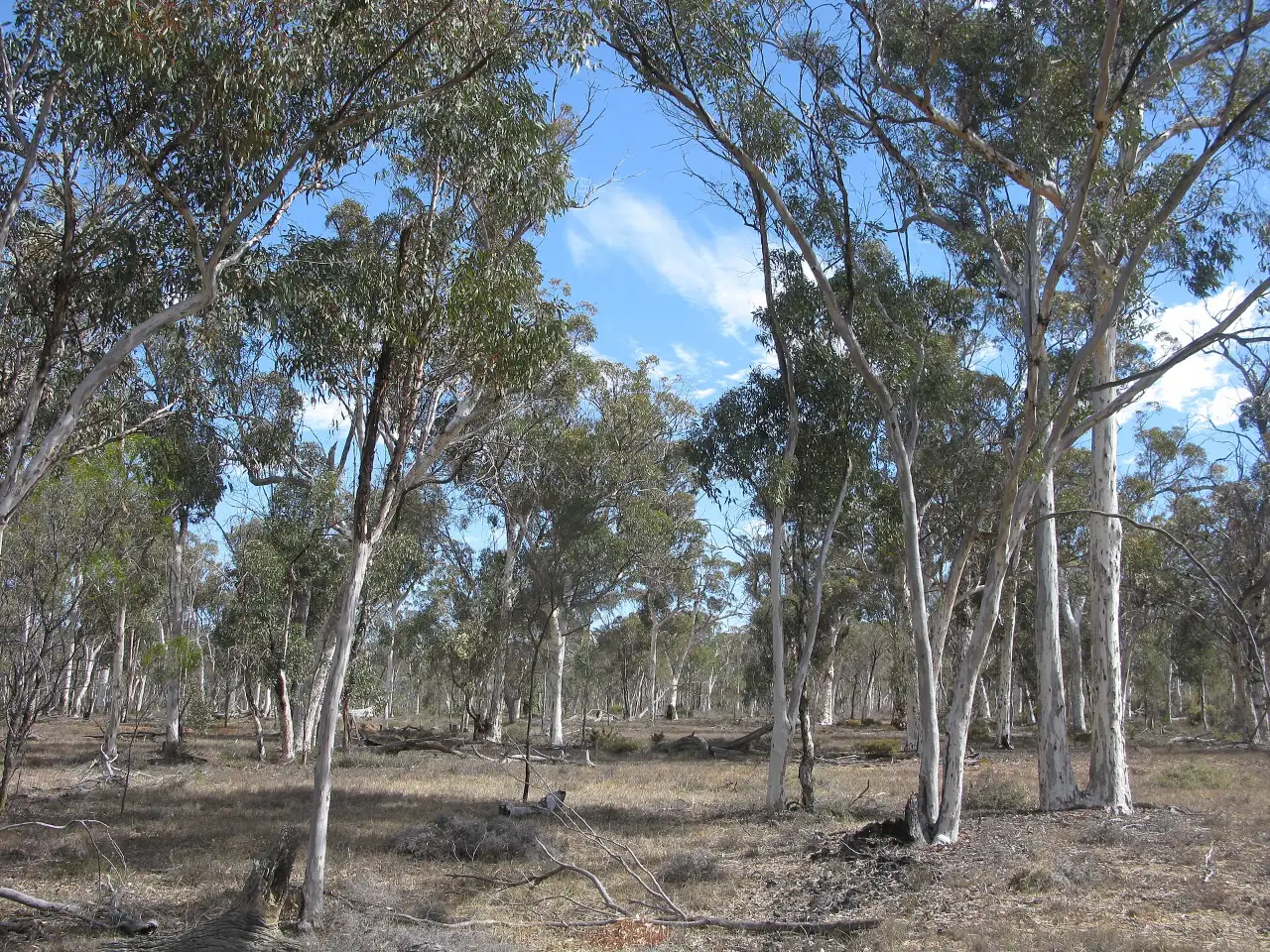
In Western Australia, clearing native vegetation is an offence unless it is done under a clearing permit or falls within an exemption. Many landowners assume that small or routine clearing is always allowed, but each exemption has conditions, and some do not apply at all in environmentally sensitive areas.
This guide explains how clearing permit exemptions work, when a DWER clearing permit is needed, and the difference between area and purpose permits. For help with a particular site, see our native vegetation clearing permit services.

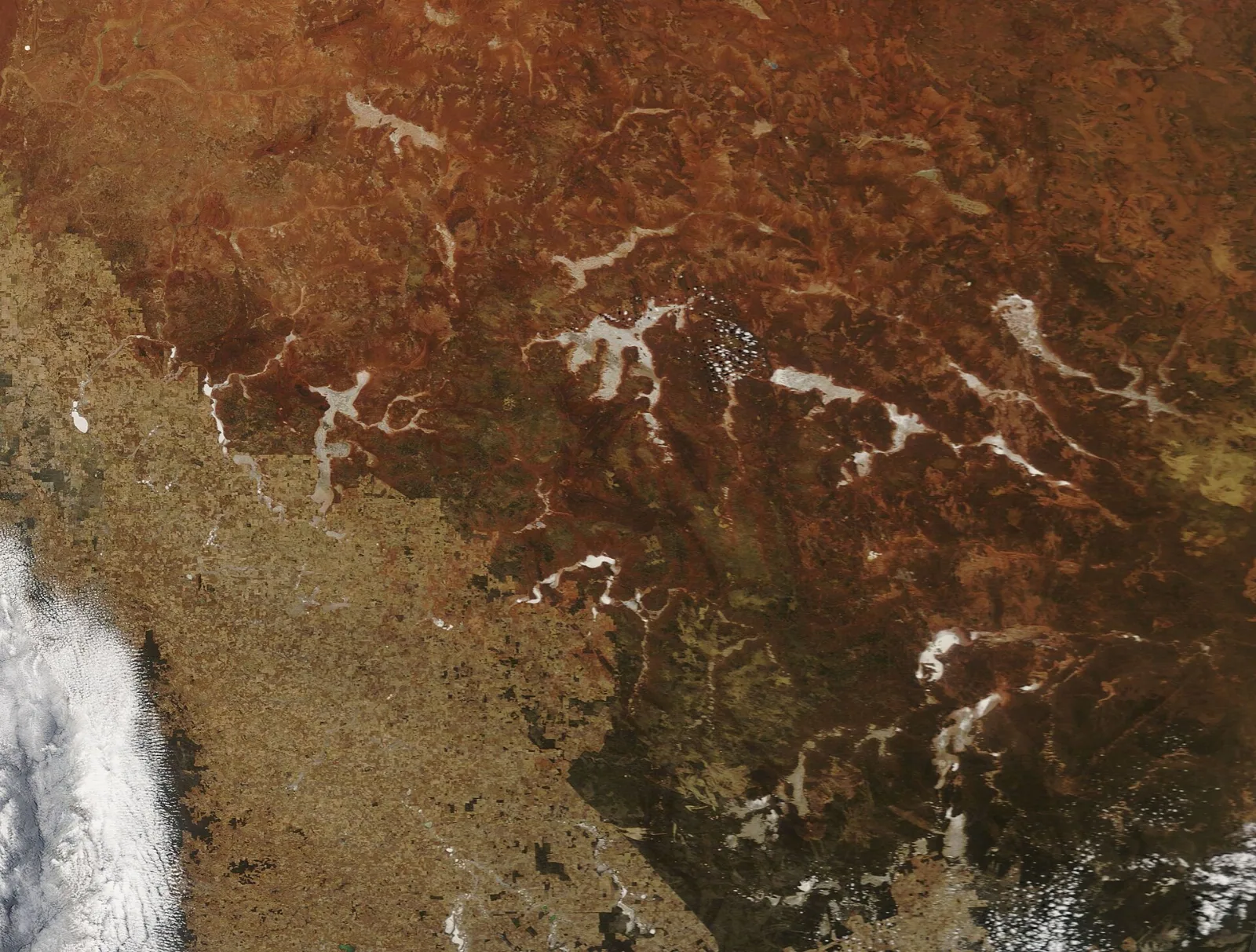
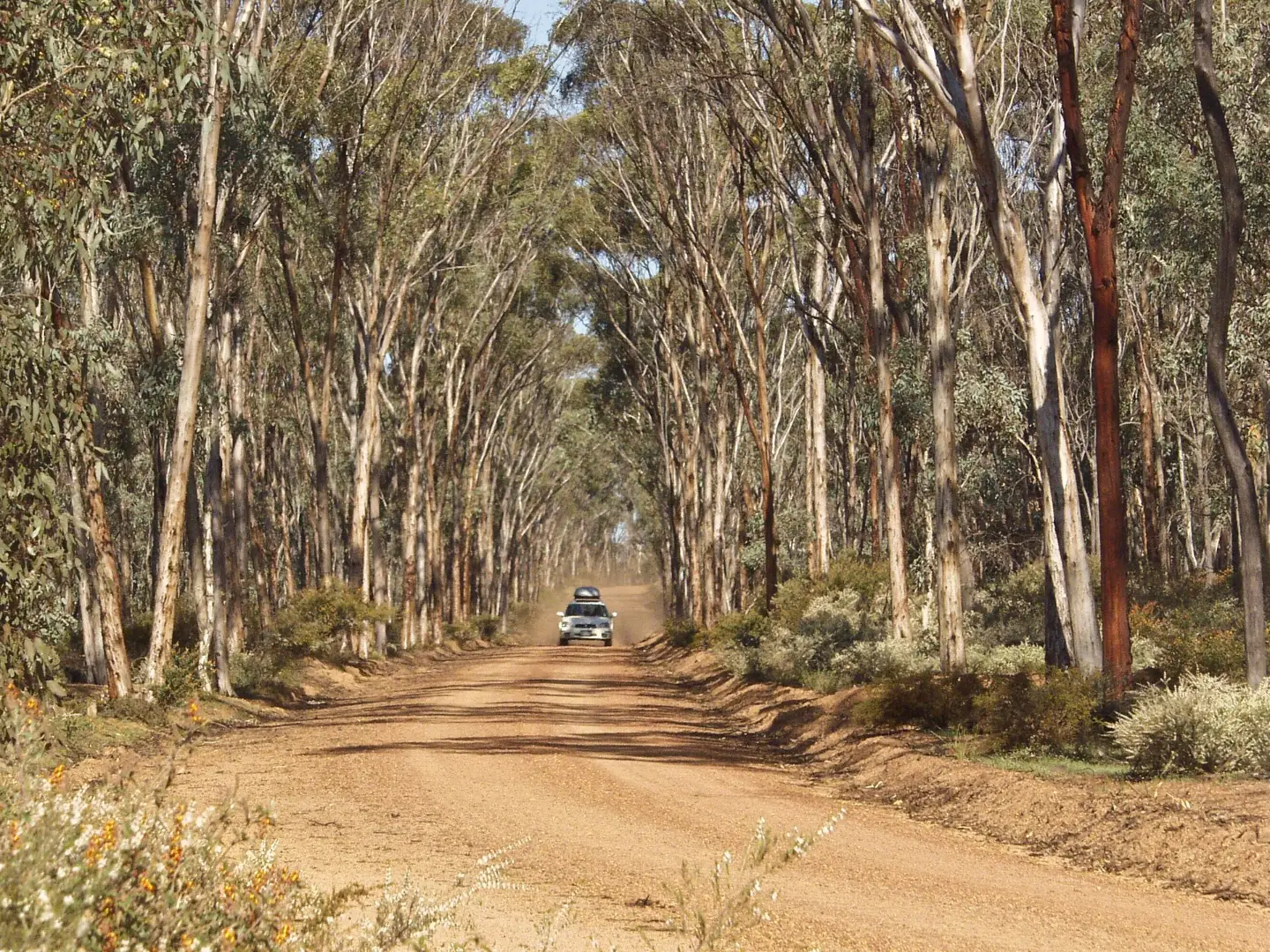
The rules are in Part V Division 2 of the Environmental Protection Act 1986 (WA) (the EP Act) and the Environmental Protection (Clearing of Native Vegetation) Regulations 2004 (the Clearing Regulations). The Department of Water and Environmental Regulation (DWER) assesses most clearing permit applications. Clearing for mineral and petroleum activities is dealt with by the Department of Mines, Petroleum and Exploration (DMPE).
What counts as clearing native vegetation?
Native vegetation means indigenous aquatic or terrestrial vegetation, including dead vegetation unless a class is excluded by regulation. Vegetation in a plantation is not native vegetation. Vegetation that was intentionally sown or planted is generally excluded too, unless, for example, the planting was required under a written law or was funded for biodiversity or land conservation.
Clearing is defined broadly. It covers killing, destroying, removing, severing or ringbarking native vegetation, or otherwise substantially damaging it. It also includes draining or flooding land, burning vegetation and grazing stock where those acts cause that kind of damage.
When can you clear without a permit?
Under section 51C of the EP Act, a person who causes or allows clearing commits an offence unless the clearing is done under a clearing permit or is a kind of clearing exempted by the Act or the regulations. DWER can also decide, through a referral, that a permit is not required. That leaves four routes:
- a clearing permit (an area permit or a purpose permit)
- an exemption in Schedule 6 of the EP Act
- an exemption prescribed in regulation 5 of the Clearing Regulations
- a referral decision that a permit is not required
DWER's guidance states that it is your responsibility to work out whether an exemption applies to your activity.
Schedule 6 exemptions
Schedule 6 of the EP Act lists clearing for which a clearing permit is not required. DWER describes these as mainly covering clearing that is required or authorised under other written laws and statutory processes. Each clause has its own conditions, so the exact wording should be checked before relying on one. DWER states that clearing under a Schedule 6 exemption does not need a permit, even inside an environmentally sensitive area.
Clearing Regulations exemptions
Regulation 5 of the Clearing Regulations covers routine, lower impact land management. An exemption applies only if the clearing is described in the regulation 5 table, is done by or with the prior authority of the person named for that item (usually the owner or occupier), and is done in a way that limits damage to neighbouring native vegetation. The current version of the regulations took effect on 28 May 2026, after amendments relating to petroleum activities.
The 5 ha limit on limited clearing
Several regulation 5 exemptions are classed as limited clearing: clearing for a building or structure, firewood, fencing and farm materials, non-commercial woodwork, fence lines on private land, vehicular tracks, walking tracks and isolated trees. All limited clearing on a property must not exceed 5 ha in a financial year. That is 5 ha in total across all of these activities, not 5 ha for each one, and a property can include several titles managed as a single property. Clearing beyond the cap needs a permit.
The table below summarises common exemptions and the conditions that most often rule them out. None of the regulation 5 exemptions apply inside an environmentally sensitive area.
| Exemption | What it covers | Does not apply when |
|---|---|---|
| Building or structure (reg 5, item 1) | Clearing a site for the lawful construction of a building or other structure, to the extent necessary | The vegetation is riparian, or the 5 ha limited clearing cap is exceeded |
| Fence lines on private land (item 10) | Clearing along a fence line to the width needed for access | The 5 ha limited clearing cap is exceeded |
| Vehicular tracks (item 12) | A track on a property, no wider than necessary | It is in a road reserve, within 100 m of other cleared land usable for the same purpose, in riparian vegetation (narrow exception), or over the 5 ha cap |
| Isolated trees (item 19) | A tree in an otherwise cleared area, more than 50 m from other native vegetation | The tree is within 50 m of other native vegetation, or the 5 ha cap is exceeded |
| Firewood, fencing material, woodwork (items 5 to 7) | Material for the owner or occupier's own use | Live vegetation is killed or regrowth is prevented, or the 5 ha cap is exceeded |
| Pasture, cultivation or forestry land (item 14) | Clearing land lawfully cleared and used for these purposes in the previous 20 years | The land was not lawfully cleared and used that way within 20 years |
| Cleared areas around buildings, fences and tracks (item 15) | Land lawfully cleared in the previous 10 years, up to set extents such as 20 m around a building and 5 m wide tracks | The land was not lawfully cleared within 10 years, or clearing goes beyond those extents |
| Any regulation 5 exemption | As above | The clearing is inside an environmentally sensitive area |
Environmentally sensitive areas
Environmentally sensitive areas (ESAs) are declared under section 51B of the EP Act. The current declaration is the Environmental Protection (Environmentally Sensitive Areas) Notice 2005, gazetted on 8 April 2005, which DWER says stays in effect until ESAs are moved into regulations. ESAs include:
- declared World Heritage properties
- areas on the Register of the National Estate for their natural heritage value
- defined wetlands, plus the area within 50 m of them
- vegetation within 50 m of rare flora, where it is continuous with the vegetation the flora grows in
- areas covered by a threatened ecological community
- Bush Forever sites, except parts the Western Australian Planning Commission has approved for development
- areas covered by certain older environmental protection policies
DWER's position is that the Clearing Regulations exemptions do not apply within ESAs, so a permit is required unless a Schedule 6 exemption applies. You can check a property on DWER's Clearing Permit System map by searching the address and turning on the environmentally sensitive areas layer.
Referral: asking DWER whether a permit is needed
Section 51DA of the EP Act allows proposed clearing to be referred to DWER for a decision on whether a permit should be obtained. DWER's referral guideline (Version 1.0, October 2021) says the process is for clearing with very low environmental impact, and there is no fee. Under the guideline:
- a "permit not required" decision covers only the clearing described, and if that clearing is not done within two years, a new referral is needed
- decisions cannot be transferred to a new owner and cannot be appealed under the EP Act
- a permit is likely to be required where the area exceeds set thresholds (for example, more than 1 ha in metropolitan Perth and the south-west intensive land-use zone), where significant environmental values are known or likely, or where conditions would be needed
Area permit or purpose permit?
If clearing is not exempt, you need a permit. In short, an area permit is tied to a defined area of land, while a purpose permit is tied to an activity that may move across different areas over time.
| Feature | Area permit | Purpose permit |
|---|---|---|
| What it allows | Clearing of the areas specified in the permit | Clearing of different areas from time to time for a purpose specified in the permit |
| Who usually applies | The landowner, or a person with the owner's written authority | A person who does not own the land but has authority under a written law, or permission, to access and clear it |
| Typical examples | A paddock or gravel pit on the applicant's land | Drainage and utility works, or a gravel pit on land the applicant does not own |
| Application fee | $400 to $10,000, based on area and land-use zone | The same area-based fee plus $2,000 |
| Change of ownership | Can be transferred to a new owner (no fee) | Cannot be transferred |
Fees are set in regulation 7 of the Clearing Regulations and are paid on application. DWER states that they are not refunded if a permit is refused.
How applications are assessed
Applications and referrals are lodged on DWER's NV-F01 form, online through Environment Online or by download. DWER's published stages include validation, assessment (including advertising for public comment and the decision), and decision review, where appeals are lodged with the Office of the Appeals Convenor and determined by the Minister for Environment. DWER's FAQ (May 2023) says the department aims to complete all assessments within 90 working days and 80% within 60 working days. These are targets, not statutory periods.
Under section 51O, decisions must consider the ten clearing principles in Schedule 5 of the EP Act, along with planning instruments and other relevant matters. In summary, native vegetation should not be cleared if it has the values listed below.
| Principle | Native vegetation should not be cleared if it... |
|---|---|
| (a) | has a high level of biological diversity |
| (b) | is, or is needed to maintain, significant habitat for fauna |
| (c) | includes, or is needed for the continued existence of, rare or threatened flora |
| (d) | is, or is needed to maintain, a threatened ecological community |
| (e) | is a significant remnant of native vegetation in an area that has been extensively cleared |
| (f) | grows in, or in association with, a watercourse or wetland |
| (g) | is likely to cause appreciable land degradation if cleared |
| (h) | is likely to affect the environmental values of an adjacent or nearby conservation area |
| (i) | is likely to cause deterioration in surface water or groundwater quality |
| (j) | is likely to cause, or make worse, flooding |
Other approvals may still apply
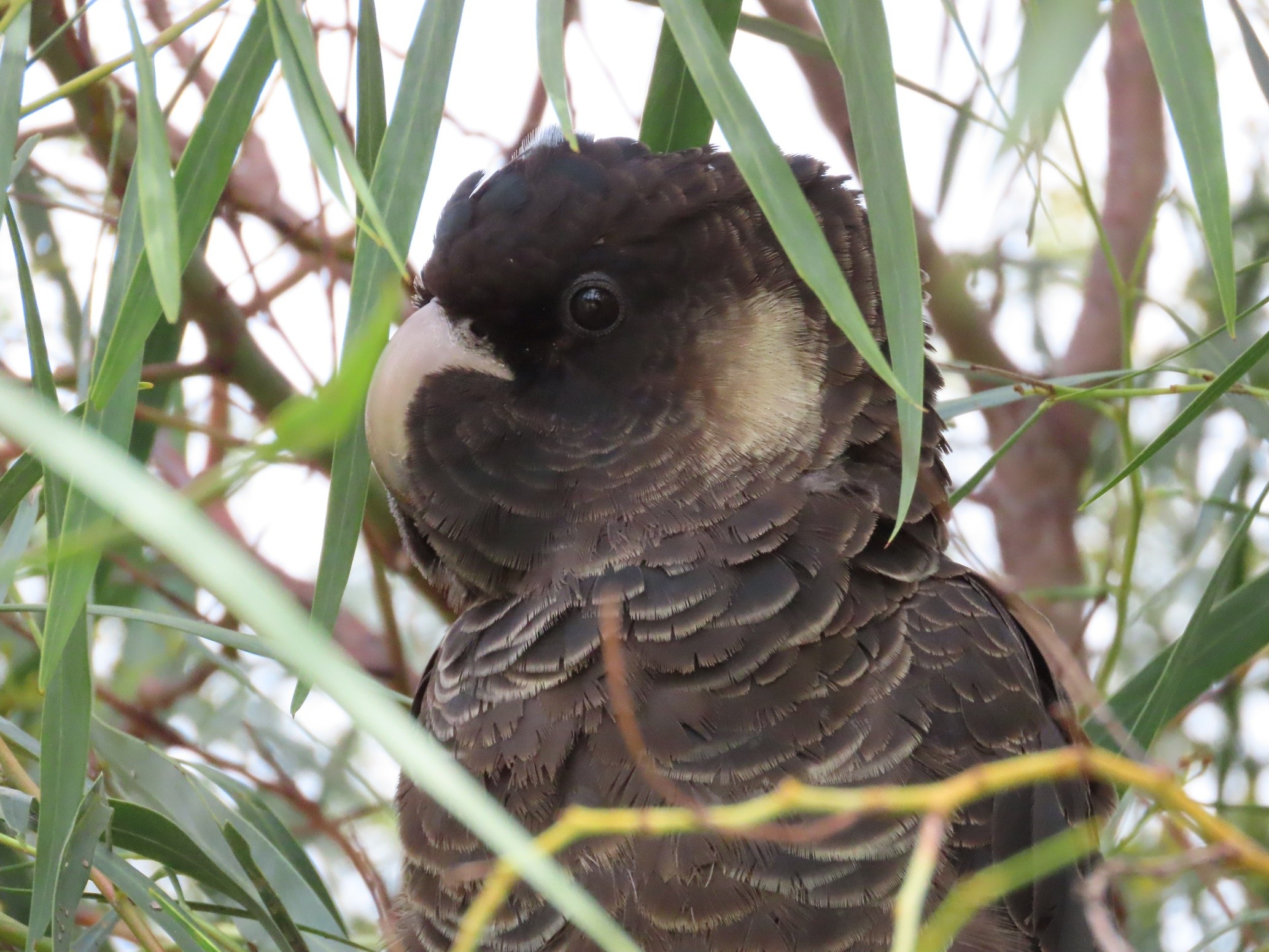
An exemption or permit under the EP Act deals only with that Act. DWER notes that other state or federal requirements may still apply, such as local government approvals or the Commonwealth Environment Protection and Biodiversity Conservation Act 1999 where clearing may affect a matter of national environmental significance, for example threatened black cockatoo habitat. For the building exemption, DWER's fact sheet states that all relevant building approvals must be obtained before clearing starts.
How Trace Ecology helps
Trace Ecology prepares clearing permit applications and referrals, carries out flora and fauna surveys that inform assessment against the clearing principles, and helps landowners and developers work out whether an exemption is likely to apply. See our native vegetation clearing permit services and wider environmental consulting services in Perth, or read our guides to environmental approvals in WA and flora and fauna survey levels. To talk about a site, contact us.
Frequently asked questions
Do I need a permit to clear native vegetation on my own land in WA?
Usually, yes. Owning the land does not make clearing exempt. You need a permit unless the clearing fits an exemption in Schedule 6 of the EP Act or regulation 5 of the Clearing Regulations, or DWER has decided through a referral that a permit is not required.
Can I clear up to 5 hectares a year without a permit?
Not as a general allowance. The 5 ha per financial year cap applies to specific limited clearing activities, such as clearing for a building, fence lines, tracks and isolated trees, and each has its own conditions. None of these exemptions apply in an environmentally sensitive area.
How do I check if my property is in an environmentally sensitive area?
Use DWER's Clearing Permit System map: search the property address and turn on the environmentally sensitive areas layer. If wetlands, rare flora or a threatened ecological community may be nearby, a site assessment can confirm what is on the ground.
How much does a DWER clearing permit cost?
Fees are set in regulation 7 of the Clearing Regulations. They range from $400 for up to 1 ha to $10,000 for more than 1,000 ha in the intensive land-use zone ($5,000 in the extensive zone). Purpose permits add $2,000. There is no fee to refer proposed clearing to DWER.
This article is general information as at October 2026, not legal advice.
References
All accessed 30 October 2026.
- Environmental Protection Act 1986 (WA), version 09-y0-00, as at 19 February 2026 (Part V Division 2, Schedules 5 and 6). legislation.wa.gov.au
- Environmental Protection (Clearing of Native Vegetation) Regulations 2004 (WA), version 02-k0-00, as at 28 May 2026 (regulations 3, 4, 5 and 7). legislation.wa.gov.au
- Environmental Protection (Environmentally Sensitive Areas) Notice 2005 (WA), version 00-a0-02, in force from 8 April 2005. legislation.wa.gov.au
- DWER, Native vegetation clearing permits, last updated 1 July 2026. wa.gov.au
- DWER, Environmentally sensitive areas, last updated 1 August 2023. wa.gov.au
- DWER, Native vegetation clearing permit fees: frequently asked questions, last updated 30 May 2023. wa.gov.au
- DWER, Native vegetation clearing permit forms, last updated 13 July 2026. wa.gov.au
- DWER, Stages of assessment: native vegetation clearing permits, last updated 24 March 2026. wa.gov.au
- DWER, Guideline: Native vegetation clearing referrals, Version 1.0, October 2021 (page updated 24 March 2026). wa.gov.au (PDF)
- DWER, Native vegetation clearing: frequently asked questions, May 2023. wa.gov.au (PDF)
- DWER, Clearing limited to five hectares a year (limited clearing exemptions), fact sheet (page updated 19 May 2023). wa.gov.au (PDF)
- DWER, How to apply for a permit to clear, fact sheet, July 2019. wa.gov.au (PDF)
- DWER, Native vegetation clearing legislation in Western Australia, fact sheet. wa.gov.au (PDF)
- DWER, Clearing offences and penalties, fact sheet, April 2020. wa.gov.au (PDF)
- DMPE, Native vegetation clearing permit, last updated 9 June 2026. wa.gov.au
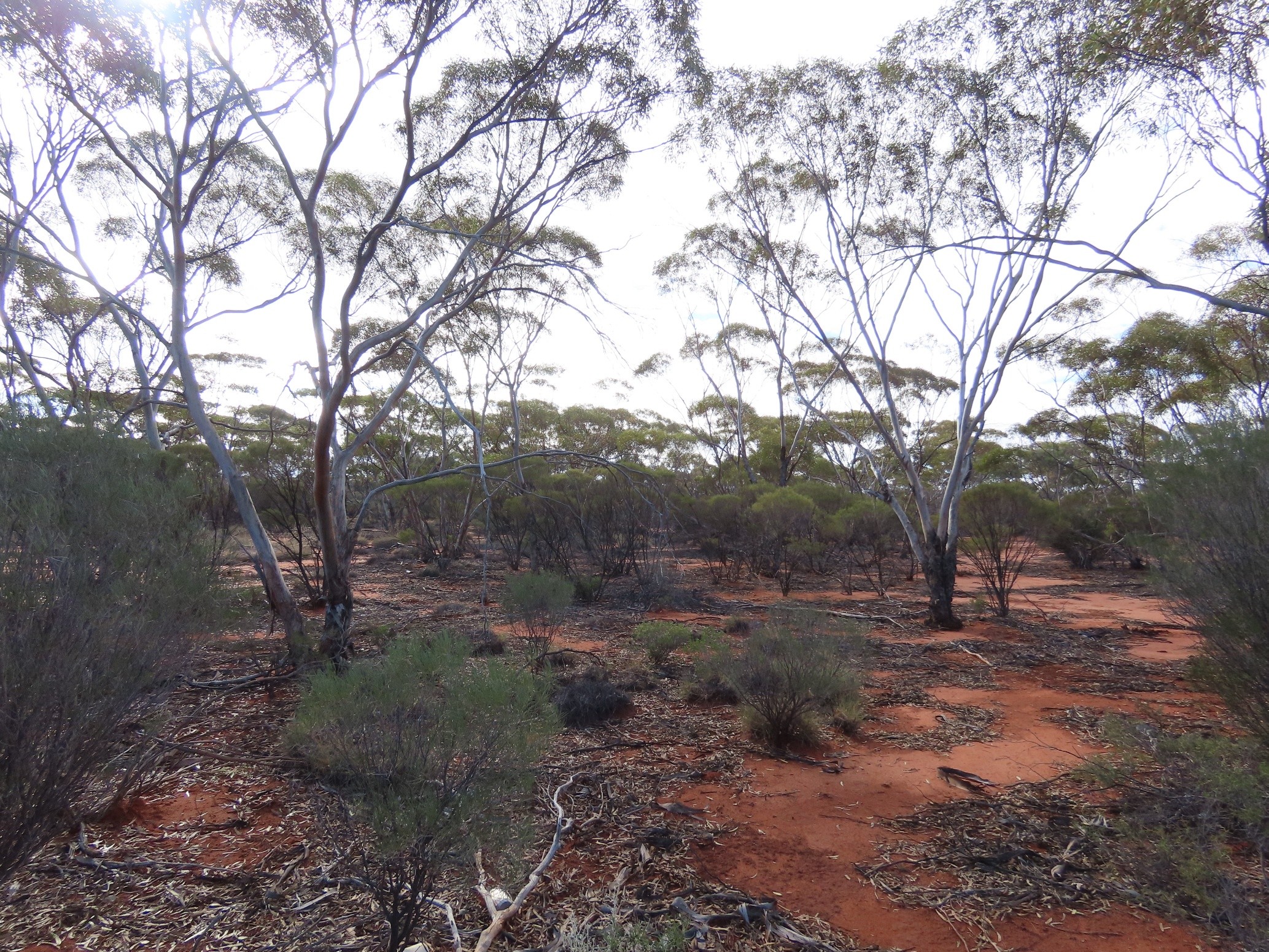
Photo credits (Wikimedia Commons): Wandoo woodland in Brookton Highway Nature Reserve, Western Australia: Aussie Oc, CC BY-SA 4.0; Salmon gum woodland in Western Australia: Vivi Lins, CC BY-SA 4.0; Satellite view of salt lakes and cleared farmland in the Western Australian Wheatbelt: NASA MODIS Land Rapid Response Team, public domain; A track through Dryandra Woodland, Western Australia: Charles.England, CC BY-SA 4.0.
Other latest news









Talk to our team
Our archaeologists, ecologists and town planners can tell you what this means for your site.