
Native Vegetation Clearing Permits: an overview
Approval to clear native vegetation in WA
In Western Australia, you need approval to clear native vegetation. That approval is a clearing permit under Part V of the Environmental Protection Act 1986, unless an exemption applies under the Act or the Environmental Protection (Clearing of Native Vegetation) Regulations 2004. Applications are assessed by the Department of Water and Environmental Regulation (DWER), or by the Department of Mines, Petroleum and Exploration (DMPE) for clearing on mining tenure and petroleum titles.
Trace Ecology prepares the flora, vegetation and fauna information a native vegetation clearing permit (NVCP) application relies on, for developers, miners, infrastructure builders, local governments and landowners.
What is involved
Decision-makers assess each application against the clearing principles, which cover matters such as biodiversity, threatened flora and fauna, threatened ecological communities, wetlands and watercourses, and land degradation. A strong application answers each principle with survey evidence rather than assumption.
We check whether your clearing is exempt, advise whether an area permit or a purpose permit suits the work, and carry out the flora and vegetation surveys, fauna habitat assessments and targeted threatened species searches needed to support the application. Where clearing could significantly affect species listed under the EPBC Act 1999, we also advise on whether a Commonwealth referral is needed.
Native Vegetation Clearing Permits in the field
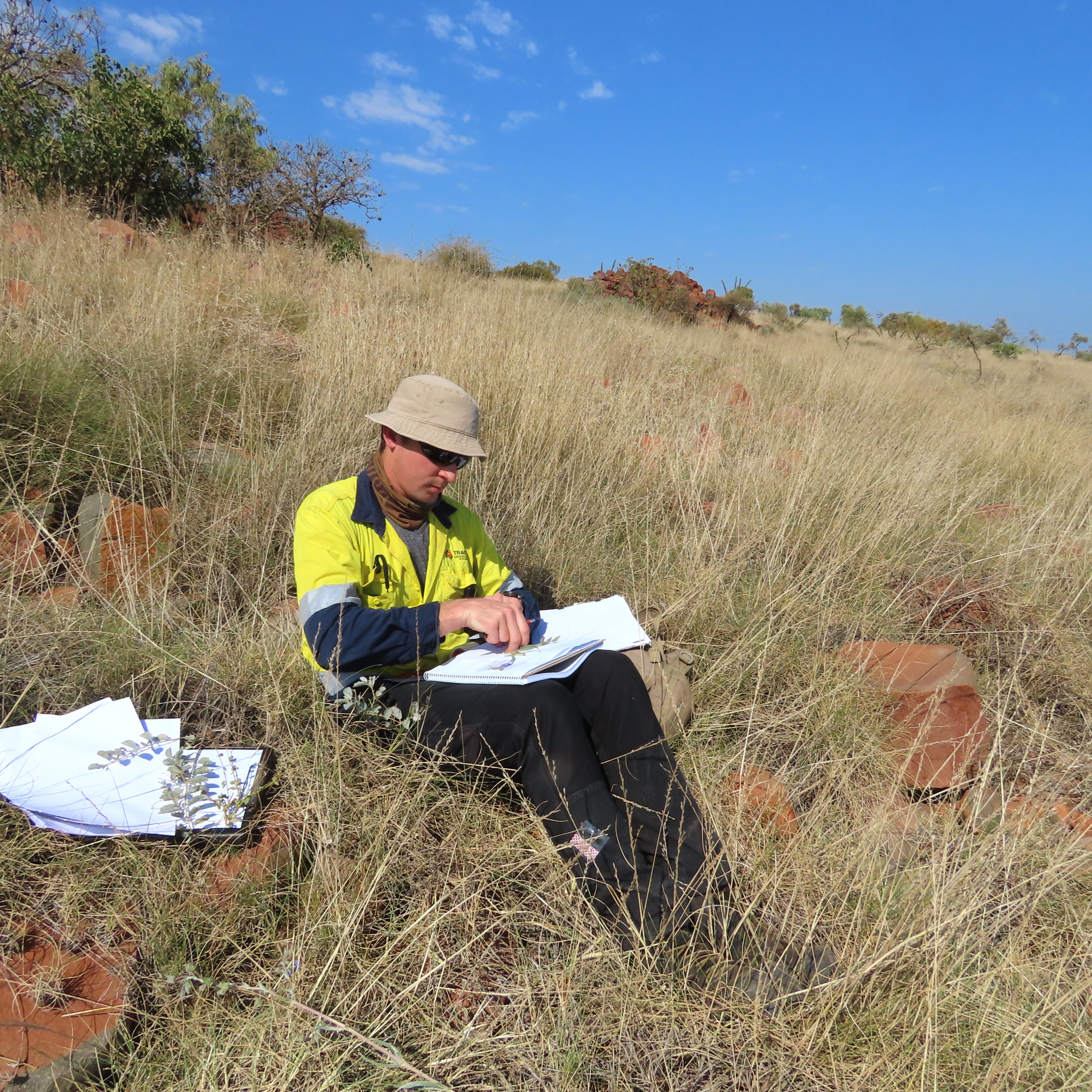

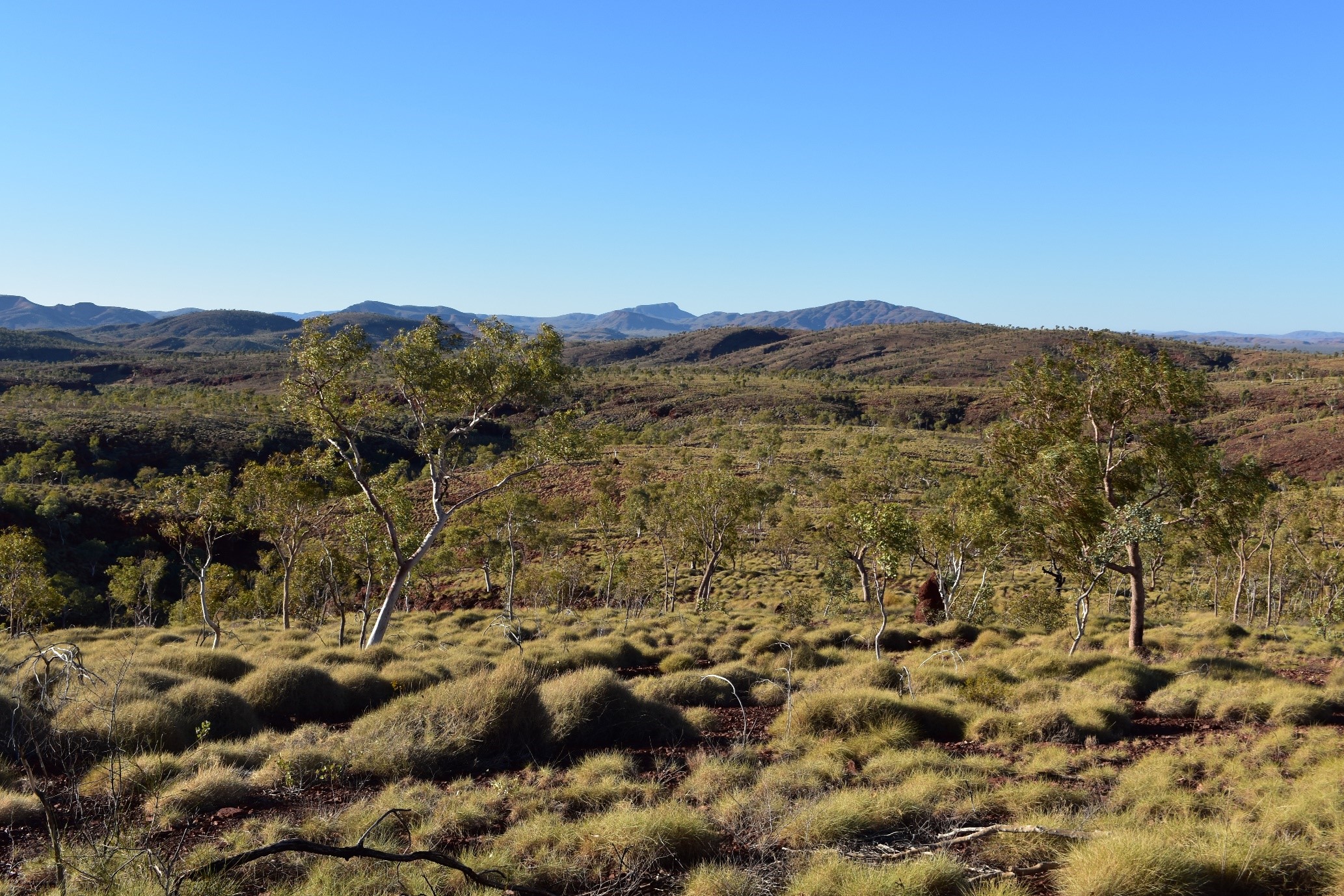
Once a permit is granted, we help clients meet its conditions, including fauna spotter-catcher work during clearing, weed management and revegetation monitoring.
See our flora and vegetation surveys and fauna surveys, or read our guide to environmental approvals in WA and our guide to clearing permit exemptions.
Trace Ecology is a division of Trace Enterprises, which brings heritage, environmental and planning specialists together under one roof.
More Terrestrial Surveys & Assessments services
Approval to clear native vegetation in WA
In Western Australia, you need approval to clear native vegetation. That approval is a clearing permit under Part V of the Environmental Protection Act 1986, unless an exemption applies under the Act or the Environmental Protection (Clearing of Native Vegetation) Regulations 2004. Applications are assessed by the Department of Water and Environmental Regulation (DWER), or by the Department of Mines, Petroleum and Exploration (DMPE) for clearing on mining tenure and petroleum titles.
Trace Ecology prepares the flora, vegetation and fauna information a native vegetation clearing permit (NVCP) application relies on, for developers, miners, infrastructure builders, local governments and landowners.
Decision-makers assess each application against the clearing principles, which cover matters such as biodiversity, threatened flora and fauna, threatened ecological communities, wetlands and watercourses, and land degradation. A strong application answers each principle with survey evidence rather than assumption.
We check whether your clearing is exempt, advise whether an area permit or a purpose permit suits the work, and carry out the flora and vegetation surveys, fauna habitat assessments and targeted threatened species searches needed to support the application. Where clearing could significantly affect species listed under the EPBC Act 1999, we also advise on whether a Commonwealth referral is needed.
Once a permit is granted, we help clients meet its conditions, including fauna spotter-catcher work during clearing, weed management and revegetation monitoring.
See our flora and vegetation surveys and fauna surveys, or read our guide to environmental approvals in WA and our guide to clearing permit exemptions.
Trace Ecology is a division of Trace Enterprises, which brings heritage, environmental and planning specialists together under one roof.
Every heritage, environmental and planning project starts with the right conversation.
Tell us what you are planning and where. We'll tell you what assessments and approvals it needs, who should be involved and what happens next.