
Mine closure planning in WA changed in 2025. Amendments to the Mining Act 1978 moved the content requirements for MCPs into the Mining Regulations 1981, and the Department of Mines, Petroleum and Exploration (DMPE) replaced the 2020 statutory guidelines with a new guideline.
The legal framework since September 2025
The Mining Amendment Act 2022 deleted the old section 84AA and inserted a new Part 4AA into the Mining Act 1978. Within it:
- Section 103AR describes an MCP as a planning and reporting document for land under a mining lease or miscellaneous licence. It provides for decommissioning each mine, rehabilitating the land and achieving the closure outcomes.
- Section 103AS makes lodging an MCP a condition of every mining lease and miscellaneous licence.
- Section 103AT requires the plan to be lodged in the approved form on or before the date stated on the approvals statement. The Minister may extend or vary that date.
Regulation 58N of the Mining Regulations 1981 sets out the information to be included in an MCP. The same reforms replaced mining proposals with a Mining Development and Closure Proposal (MDCP) and an Approvals Statement.
DMPE, formed on 1 July 2025, says MCPs must now follow its Guideline for preparing Mine Closure Plans. The current version is 6.0 (November 2025). It supersedes the 2020 Statutory Guidelines for Mine Closure Plans and the 2015 Guidelines for Mine Closure Plans. MCPs are lodged through Resources Online, and those received after 9 September 2025 are made publicly available.
Where ecology fits in an MCP
The guideline sets out twelve sections. Ecological information feeds into most of them, not only the environmental data section.
| MCP section | Ecological inputs |
|---|---|
| 3. Environmental data | Baseline flora, vegetation and fauna data, soil studies, rehabilitation monitoring results and knowledge gaps |
| 5. Post-mining land use | What the rehabilitated land is expected to support, such as native vegetation or another agreed use |
| 6. Closure risk assessment | Risks to sensitive receptors, such as threatened and priority ecological communities, and to conservation significant flora and fauna |
| 7. Closure outcomes and completion criteria | Measurable criteria benchmarked against analogue or reference sites |
| 8. Closure implementation | Topsoil handling, revegetation research and trials, progressive rehabilitation |
| 9. Monitoring and maintenance | Monitoring linked to completion criteria, with trigger values and remedial actions |
| 12. Reviewed MCPs | Updated data, revised criteria and an updated knowledge gaps register |
In short, ecological data shapes the closure outcomes, sets the benchmarks for completion criteria and drives monitoring, so gaps in it carry through the whole plan.
Baseline flora, vegetation and fauna data
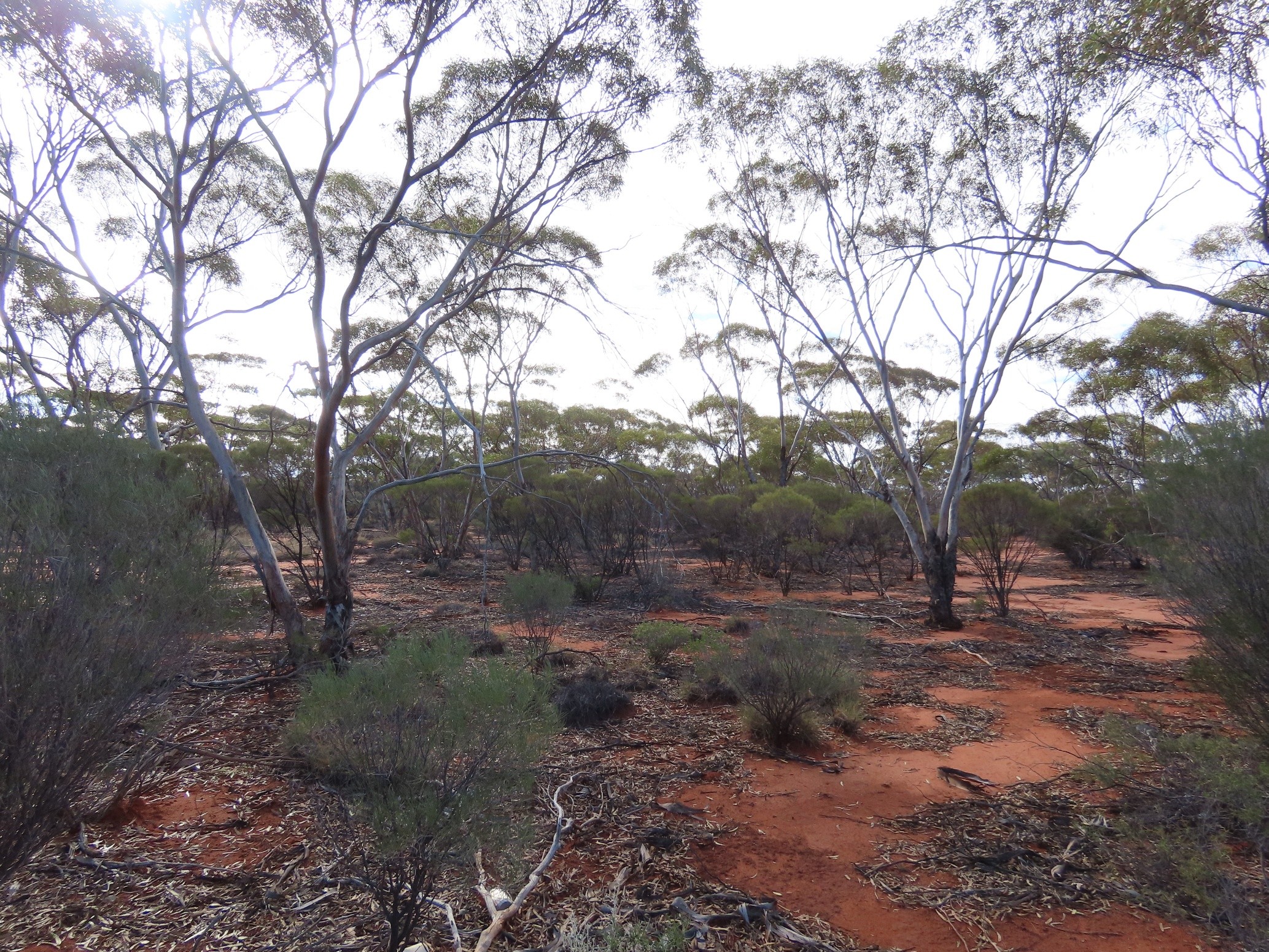
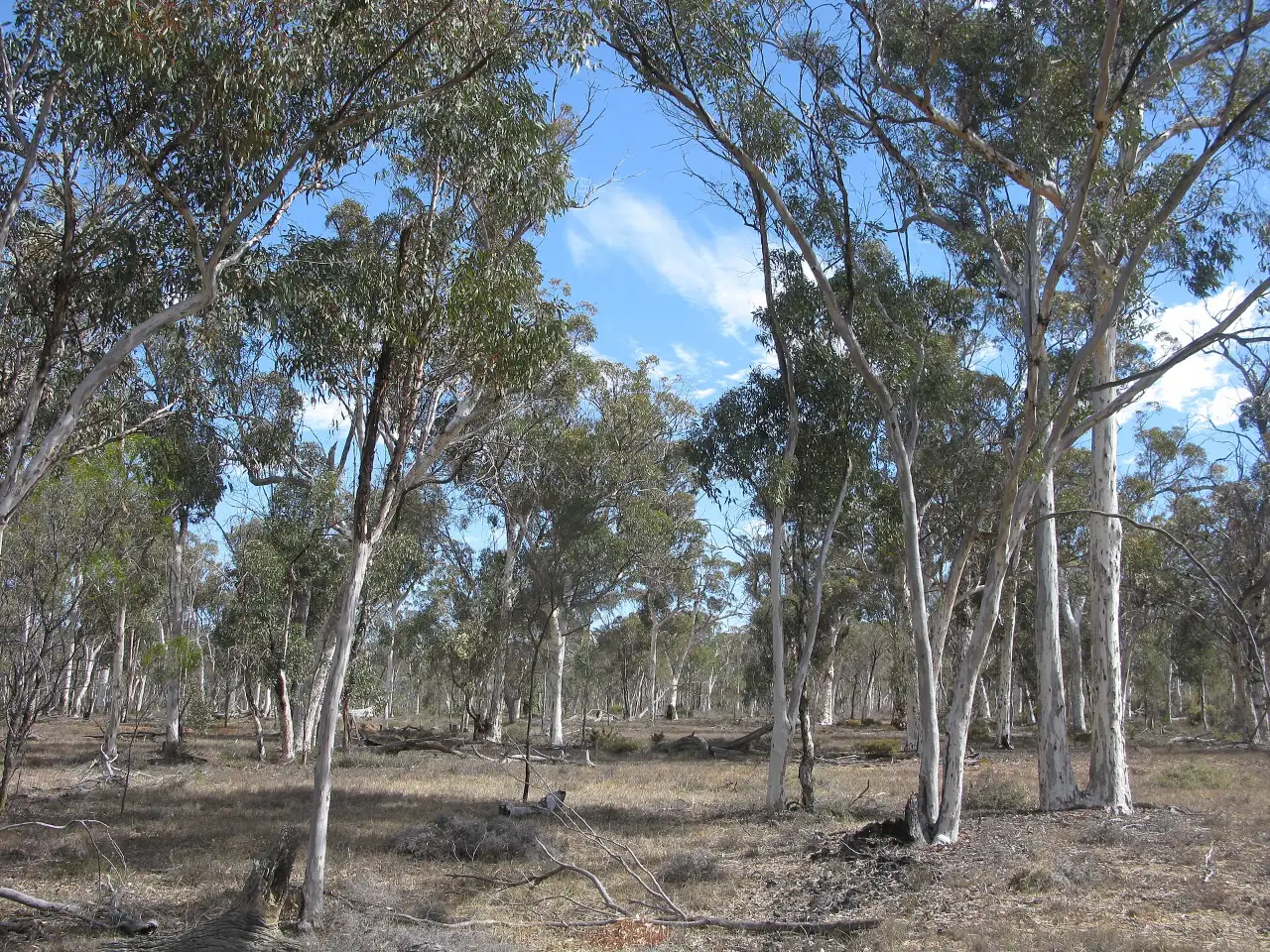
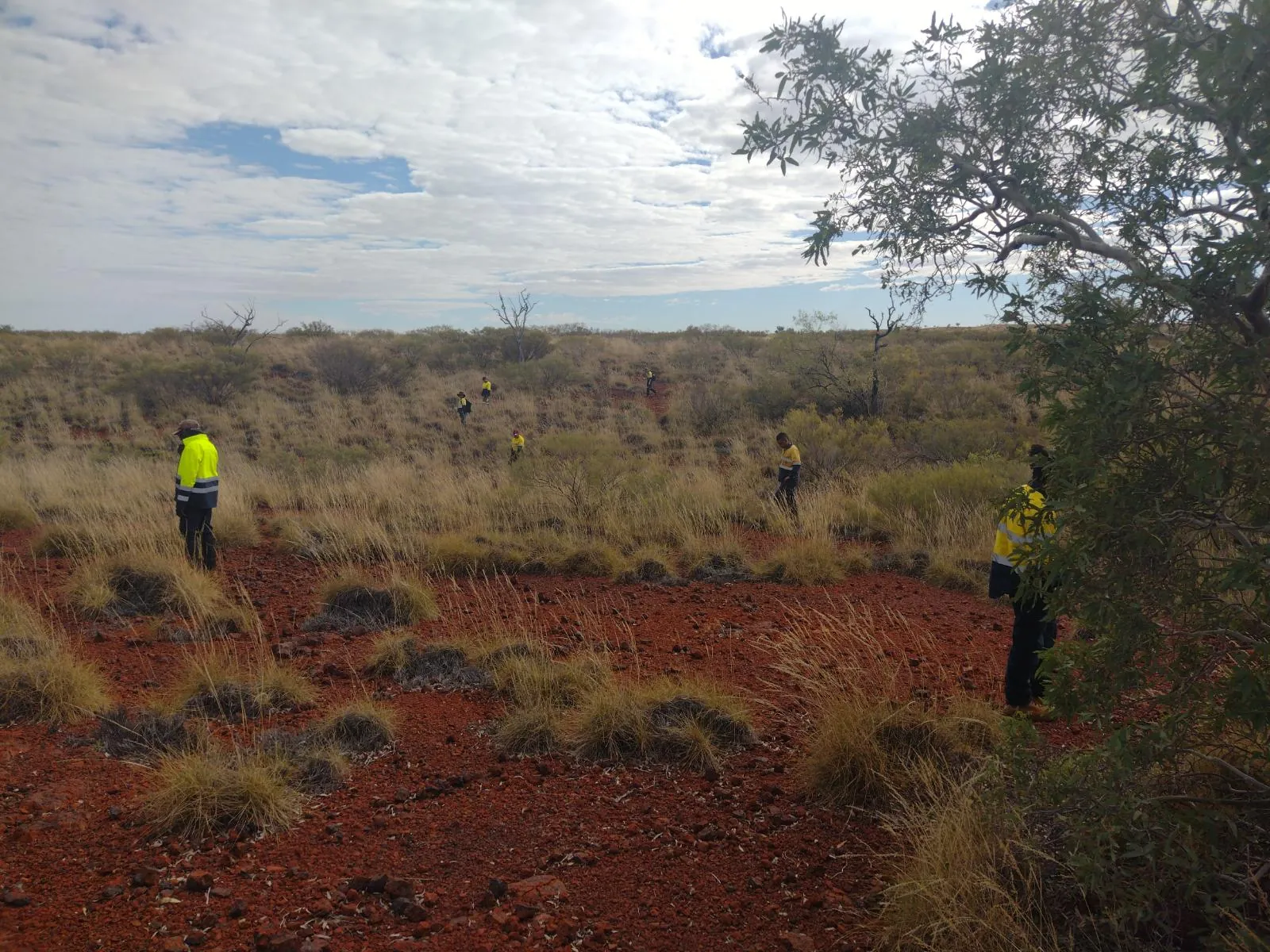
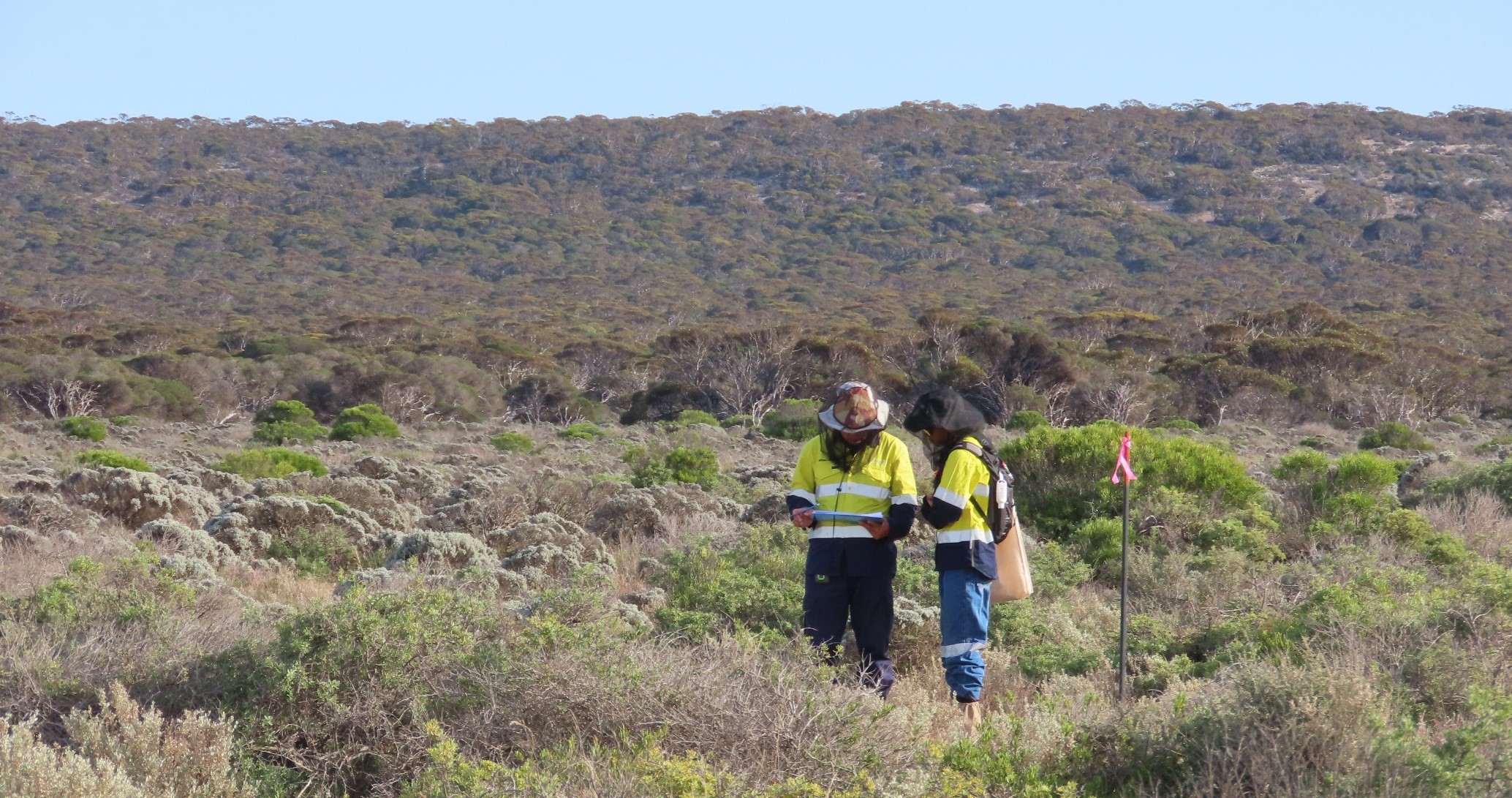
The MCP guideline asks for a summary of the physical and biological environments that existed before operations. Baseline studies typically start before operations are approved and continue during operations. Where site data are missing, for example after historic mining, data from adjacent areas may be used if they are interpreted for the site.
The 2025 approach also expects data to be collected throughout the life of the operation. Baseline data is still important, but it is no longer the only data required. Rehabilitation monitoring and other operational data should be summarised, and baseline data reviewed periodically.
What the baseline should cover
The MCP guideline points to DMPE's Guideline for preparing Mining Development and Closure Proposals (version 3.0, April 2026) for the studies expected. It asks for biodiversity data that describes:
- existing assemblages, diversity, condition and ecological function at species, population and community level
- vegetation communities, habitats and sensitive or threatened values, mapped with the site plan and activity envelope overlaid
- species and communities of conservation significance, including those listed under State or Commonwealth legislation, and listed weeds
- the likely presence of short-range endemic and subterranean fauna, with field surveys where needed
That guideline says surveys should comply with the relevant EPA technical guidance. It names the EPA guidance on flora and vegetation surveys (2016), terrestrial vertebrate fauna surveys (2020), short-range endemic invertebrates (2016) and subterranean fauna (2021).
Threatened species and communities
Where conservation-significant species or communities are likely, or conservation land may be affected, the MDCP guideline encourages applicants to consult the Department of Biodiversity, Conservation and Attractions (DBCA). The MCP guideline's definitions give threatened and priority ecological communities as examples of sensitive receptors, and treat threatened and priority flora and fauna as conservation significant. The MCP guideline also allows site-specific closure outcomes where standard outcomes do not cover an area.
Where a mine is assessed by the EPA, its objectives for flora and vegetation and for terrestrial fauna are to protect them so that biological diversity and ecological integrity are maintained.
Topsoil, growth media and seed
Soils decide what can grow on rehabilitated land. The MDCP should report the indicative volume of topsoil and subsoil available for rehabilitation, their physical and chemical suitability as a growth medium, and any shortfall in rehabilitation material with proposed mitigation.
The MCP guideline lists topsoil preservation as an action in the exploration and construction stages. Its example knowledge gaps include topsoil and alternative growth material volumes being unknown, which flows straight into rehabilitation risk. Seed mixes are among the records the guideline expects to be kept.
Analogue sites and completion criteria
Closure outcomes are the goals to be achieved once decommissioning and rehabilitation are complete. DMPE now provides a standard list of outcomes, and site-specific outcomes can be added where the standard ones do not fit. Where an Approvals Statement exists, the MCP must include the outcomes recorded on it, and changing them requires an MDCP.
Completion criteria are the measures that show those outcomes have been achieved. The guideline expects them to be SMART: specific, measurable, achievable, relevant and time-bound. In its words, good criteria "meet SMART principles and refer to analogue sites" (DMPE, 2025). Vague terms such as "significant" or "minimises" should be avoided.
Analogue or reference sites are undisturbed areas used to judge whether rehabilitation is trending towards the target. The guideline expects analogue sites to be established during the construction stage and monitored during operations.
| Aspect | What is measured | Usual benchmark |
|---|---|---|
| Vegetation composition | Native species present and their mix | Agreed reference vegetation communities or analogue sites |
| Vegetation structure and cover | Plant density, cover and strata | Analogue sites, with trigger values for remedial work |
| Weeds | Presence and cover of weeds, including listed weeds | Analogue sites and agreed management targets |
| Growth medium | Soil and topsoil properties that support plant growth | Baseline soil data or analogue soils |
| Landform stability | Erosion and surface stability that vegetation relies on | Design criteria and monitoring results |
| Fauna habitat | Habitat features suited to the post-mining land use | Baseline fauna and habitat data |
These are examples of the kinds of ecological criteria used, not requirements. Actual criteria and any numeric targets are site-specific, developed with key stakeholders including DMPE, and refined as data improves.
DMPE also points to the Western Australian Biodiversity Science Institute (WABSI) framework for developing mine-site completion criteria (2019). The framework links the post-mining land use to outcomes, criteria and monitoring. It is not mandatory, but DMPE describes it as a useful guide.
Rehabilitation trials and monitoring
The guideline encourages progressive rehabilitation, with earthworks done as areas become available rather than all at the end. Activities include staged earthworks, ripping, selective topsoil application, revegetation research and trials, and performance monitoring. The guideline notes that some trials can take years or decades to produce useful data.
For monitoring, the guideline expects:
- links to closure outcomes and completion criteria, with remediation trigger values and follow-up actions
- the ability to separate mine-related effects from regional changes, such as new invasive species
- a stated post-closure monitoring frequency and duration, with a minimum usually in the order of 10 years where detailed performance data is lacking
- remedial work where monitoring shows completion criteria are not being met
How MCPs are reviewed and updated
DMPE says the Mining Act 1978 requires MCPs to be revised and resubmitted periodically. There is no single fixed interval. After an MCP is accepted, DMPE sets a date for the next submission. For operations under existing approvals without an Approvals Statement, the due date is set through tenement conditions.
A reviewed MCP should include a revision summary, a table of improvement actions addressed and an updated knowledge gaps register. Environmental data and completion criteria should be updated using monitoring and trial results. An MCP is still expected to be reviewed when no mining or rehabilitation happened during the review period.
Detail increases as closure approaches. The guideline expects a more refined MCP with execution-level detail at least two years before mining stops, and final closure designs at least two years before they are implemented.
How Trace Ecology helps
Trace Ecology provides the ecological inputs that sit behind an MCP. Through our mine rehabilitation services we can:
- review existing baseline flora, vegetation and fauna data and identify knowledge gaps
- plan and carry out surveys with reference to EPA technical guidance
- help select analogue sites and draft measurable ecological completion criteria
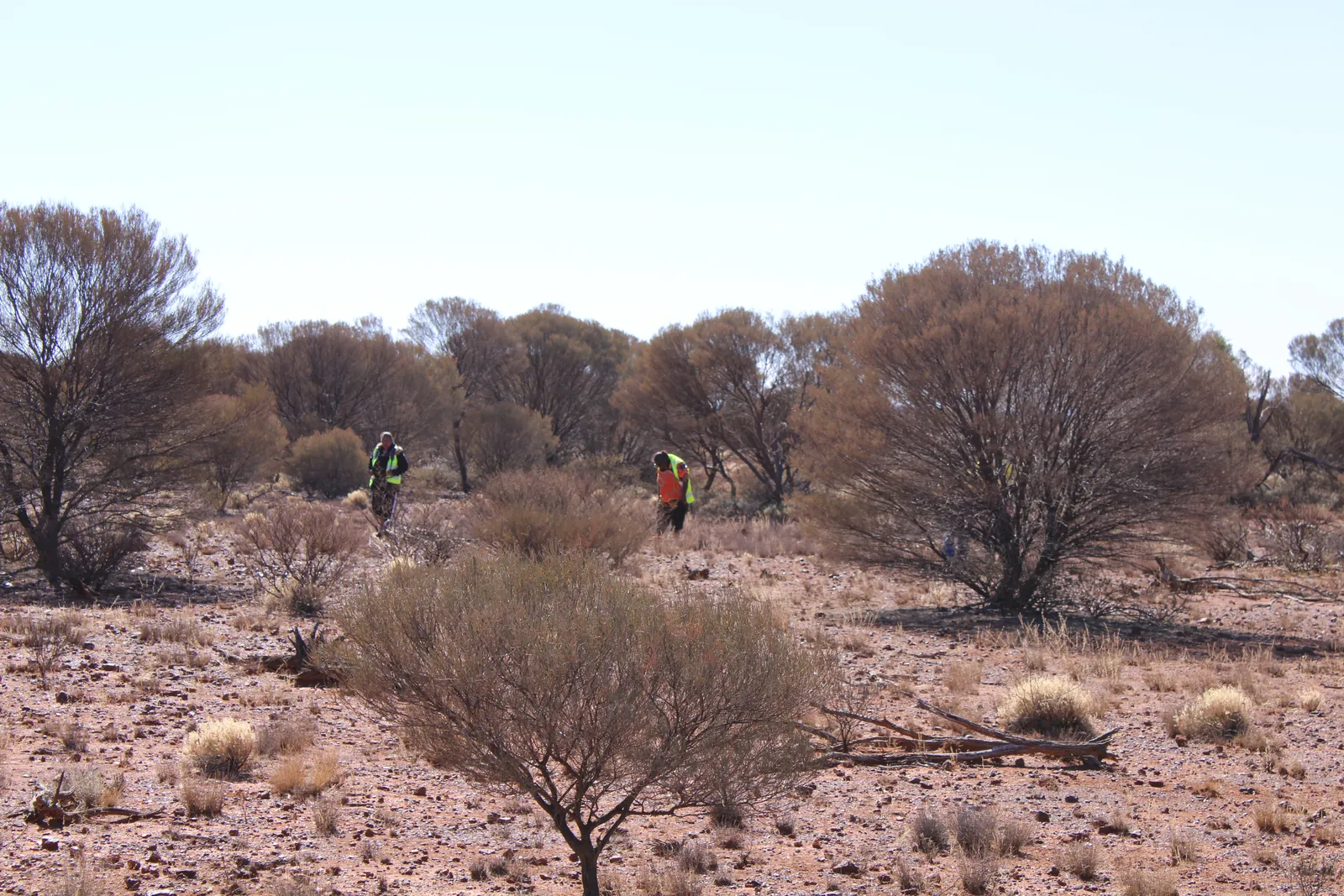
- design and run rehabilitation monitoring, including drone mapping of revegetation
- update ecological sections for each MCP review
Acceptance of an MCP rests with DMPE, so no consultant can promise an outcome or timeframe. See our environmental services for the full range, or read about the role of ecology in sustainable mining and malleefowl surveys in WA. To talk about a project, contact us.
Frequently asked questions
Are the 2020 Statutory Guidelines for Mine Closure Plans still current?
No. Since 9 September 2025, DMPE says MCPs must follow its Guideline for preparing Mine Closure Plans, which supersedes the 2020 statutory guidelines. The content an MCP must include is now set by regulation 58N of the Mining Regulations 1981.
How often does a mine closure plan need to be updated in WA?
There is no single fixed interval. DMPE says the Mining Act 1978 requires periodic revision, and it sets the next submission date when it accepts an MCP. More detail is expected at least two years before mining stops.
What are completion criteria in a mine closure plan?
They are measures that show closure outcomes have been met. DMPE expects them to be specific, measurable, achievable, relevant and time-bound, and usually benchmarked against analogue sites. They are refined in each revision as monitoring and trial data come in.
This article is general information as at October 2026, not legal advice.
References
All accessed 23 October 2026.
- Mining Act 1978 (WA), consolidated version 09-q0-00, current from 28 May 2026 (Part 4AA Division 5, sections 103AR to 103AT). legislation.wa.gov.au: Mining Act 1978
- Mining Amendment Act 2022 (WA), No. 31 of 2022 (sections 103AR to 103AT and deletion of section 84AA). legislation.wa.gov.au: Mining Amendment Act 2022 (PDF)
- Mining Regulations 1981 (WA), version 12-af0-00, as at 1 July 2026 (regulation 58N). legislation.wa.gov.au: Mining Regulations 1981 (PDF)
- Department of Mines, Petroleum and Exploration, Guideline for preparing Mine Closure Plans, version 6.0, November 2025 (sections 3, 5 to 9, 11 and 12; Appendices 1 and 2). wa.gov.au: Guideline for preparing Mine Closure Plans (PDF)
- Department of Mines, Petroleum and Exploration, Mine Closure Plans from 9 September 2025: factsheet (page updated 17 June 2026). wa.gov.au: Mine Closure Plans factsheet
- Department of Mines, Petroleum and Exploration, Prepare a mine closure plan (updated 8 October 2026). wa.gov.au: Prepare a mine closure plan
- Department of Mines, Petroleum and Exploration, Guideline for preparing Mining Development and Closure Proposals, version 3.0, April 2026 (sections 3.3.1, 3.5 and 7.3). wa.gov.au: MDCP guideline (PDF)
- Western Australian Biodiversity Science Institute, A framework for developing mine-site completion criteria in Western Australia (2019; page updated 12 June 2025). wa.gov.au: completion criteria framework
- Department of Mines, Petroleum and Exploration, About the Department of Mines, Petroleum and Exploration (updated 19 May 2026). wa.gov.au: About DMPE
- Environmental Protection Authority, Factor guidelines and technical guidance: Land (Flora and Vegetation and Terrestrial Fauna objectives). epa.wa.gov.au: Land factors
- Environmental Protection Authority, Technical Guidance: Flora and Vegetation Surveys for Environmental Impact Assessment, December 2016. epa.wa.gov.au: flora and vegetation survey guidance
- Environmental Protection Authority, Technical Guidance: Terrestrial vertebrate fauna surveys for environmental impact assessment, version 1.0, June 2020. epa.wa.gov.au: terrestrial vertebrate fauna survey guidance (PDF)
Photo credits (Wikimedia Commons): The Super Pit open-cut gold mine at Kalgoorlie, Western Australia: Kgbo, CC BY-SA 4.0; Benches and haul roads inside the Super Pit, Kalgoorlie: Kgbo, CC BY-SA 4.0; A tailings storage facility being lined with geomembrane during construction: Pathfounder, CC BY-SA 4.0; Eucalypt woodland in the Great Western Woodlands, Western Australia: Keren Gila, CC BY-SA 4.0.