
Pilbara offsets for the bilby
DWER's 9 November 2026 story on the Pilbara Environmental Offsets Fund, a Traditional Owner bilby habitat project and what it means for proponents.
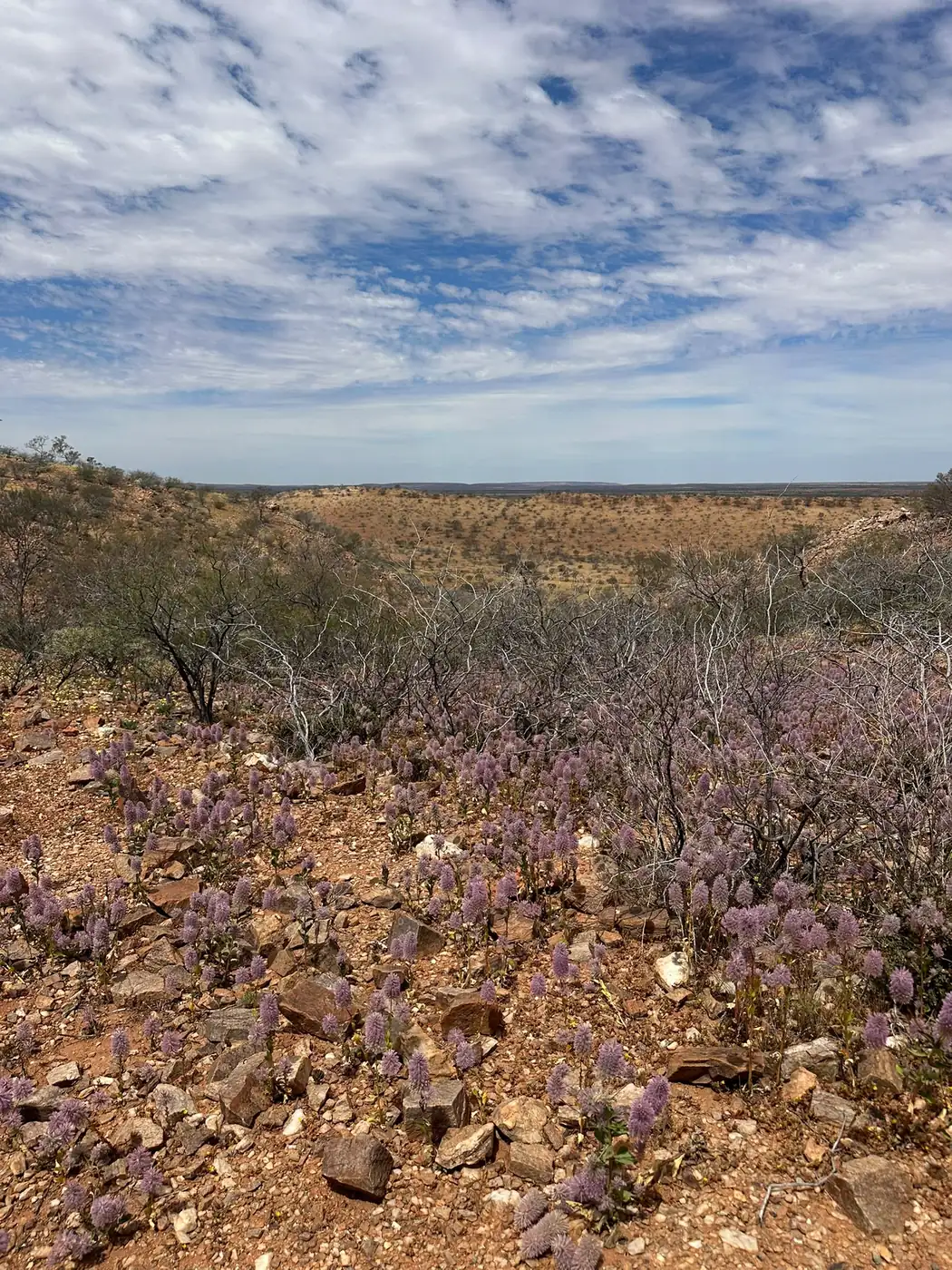
On 9 November 2026, the Department of Water and Environmental Regulation (DWER) published a feature on how the Pilbara Environmental Offsets Fund (PEOF) is supporting greater bilby habitat work led by Traditional Owners. It does not change any policy. It does show where offset payments from Pilbara approvals can go.
Trace Ecology, a division of Trace Enterprises, carries out fauna and threatened species surveys, including targeted greater bilby surveys in the Pilbara.
What DWER published
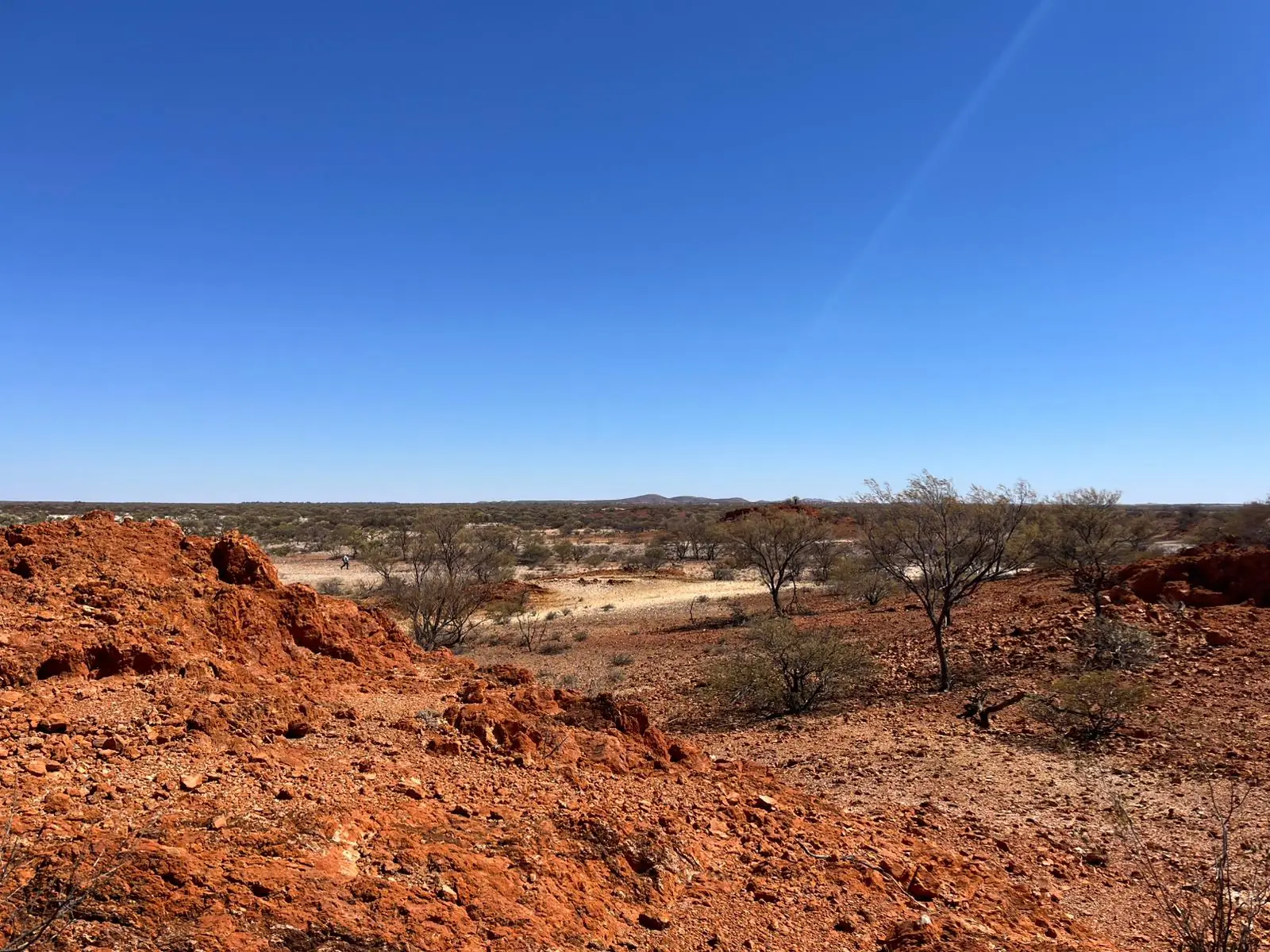
DWER released From Offsets to Outcomes: Protecting the Greater Bilby in the Pilbara as a news story on 9 November 2026. It was updated on 10 November 2026. The story describes the PEOF and one project the fund supports. It announces no new rules for proponents.
The greater bilby (Macrotis lagotis) is listed as Vulnerable under the Environment Protection and Biodiversity Conservation Act 1999 (Cth) (EPBC Act). It also appears on the list of threatened fauna kept by the Department of Biodiversity, Conservation and Attractions (DBCA) under the Biodiversity Conservation Act 2016 (WA). DWER's story notes that bilby populations face pressure from habitat loss, introduced predators and altered fire regimes.
How the PEOF works
The PEOF is a state-managed fund for environmental offset projects in the Pilbara bioregion. DWER manages it. The fund started receiving money from conditioned proponents in 2019.
Offsets are meant to counterbalance the significant residual impacts of a project. These are the impacts left once a proposal has avoided and reduced what it can. DWER's story says PEOF payments can be required when development causes significant impacts that cannot be avoided or reduced.
Under Part IV of the Environmental Protection Act 1986 (WA), a proponent may be required to pay a rate per hectare of impact that it cannot avoid or rehabilitate. The conditions are set out in the Ministerial Approval Statement for the proposal. Rates are set for four sub-regions: Chichester, Fortescue, Hamersley and Roebourne. They are indexed each year to the Perth All Groups Consumer Price Index.
The fund can also receive money required as a condition under Part 9 or 10 of the EPBC Act. This is enabled by a memorandum of understanding between the state and the Commonwealth. The fund combines individual offset payments and invests them in projects at three scales: region-wide programs, priority areas and specific sites.
The bilby project example
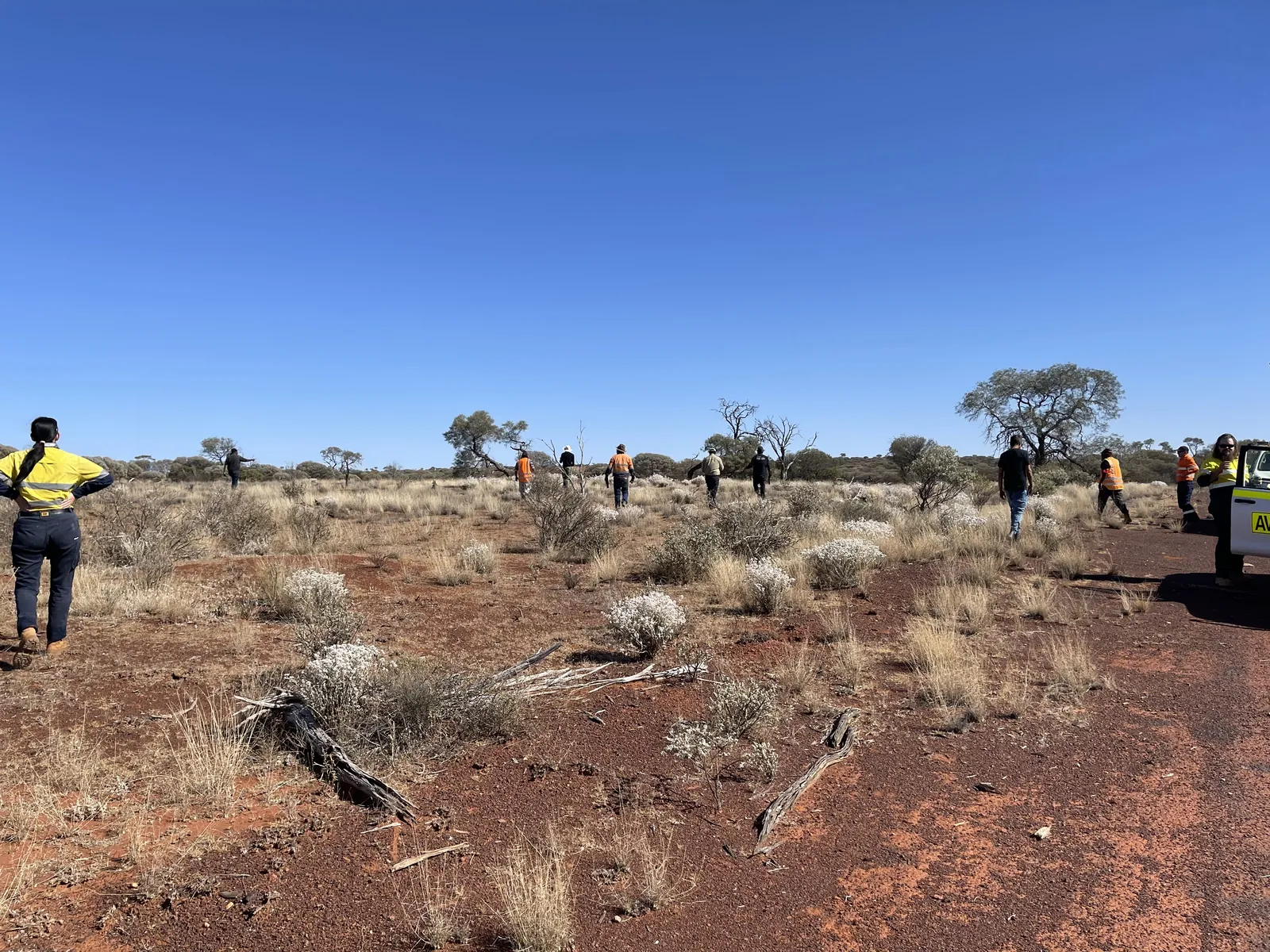
The project in DWER's story is led by Budadee Aboriginal Corporation. DBCA provides technical support. The work began in 2021 as a weed management project. It has since grown into a broader habitat management program.
Baseline surveys were carried out in 2023 and 2024. DWER reports that they recorded "some of the highest bilby occupancy levels documented in the Pilbara". Invasive species management is part of the program. The project is guided by Elders, and Budadee Rangers began conducting cultural burns in 2025.
DWER describes the program as combining Traditional Owner knowledge with conservation and monitoring practice. The story says the fund will continue to support a range of projects aimed at managing environmental threats.
What this means for you
If you are a developer or a mining or resources company in the Pilbara, offsets remain the last step. They address impacts that cannot be avoided or reduced. Your assessment will still look closely at how you have avoided and reduced impacts.
PEOF payments are calculated per hectare of impact. The PEOF page sets a base rate for native vegetation in good to excellent condition and a higher rate for specialised values. This means the quality of your vegetation and fauna habitat mapping matters. Clear survey data helps the impact area and its values to be described accurately during assessment.
If you are a Traditional Owner corporation, the example shows one way PEOF funding can support ranger work and fire management on Country. The PEOF page explains how the fund is governed and how project proposals are reviewed and recommended to the Minister.
A bilby record on its own does not mean an offset will be required. Each proposal is assessed on its own facts and conditions.
How Trace Ecology can help
Trace Ecology plans and carries out fauna and threatened species surveys for proposals that may affect the greater bilby. We can help you scope survey effort early and report findings in a form that suits environmental assessment. Our guide to greater bilby surveys in WA explains the signs surveyors look for and the methods used.
Talk to an ecologist about your Pilbara project.
This article is general information as at November 2026, not legal advice.
References
All accessed 15 November 2026.
- Department of Water and Environmental Regulation, From Offsets to Outcomes: Protecting the Greater Bilby in the Pilbara, news story, published 9 November 2026, updated 10 November 2026. https://www.wa.gov.au/government/announcements/offsets-outcomes-protecting-the-greater-bilby-the-pilbara
- Department of Water and Environmental Regulation, Program: Pilbara Environmental Offsets Fund, last updated 5 November 2026. https://www.wa.gov.au/service/environment/business-and-community-assistance/program-pilbara-environmental-offsets-fund
- Australian Government, Federal Register of Legislation, explanatory statement for the instrument making a recovery plan for the greater bilby (Macrotis lagotis), F2023L00432, as made 2023. https://www.legislation.gov.au/F2023L00432/asmade/2023-04-11/es/original/pdf
- Department of Biodiversity, Conservation and Attractions, List of threatened and priority fauna, web list, undated. https://www.dbca.wa.gov.au/node/5082?page=6
Other latest news
















Talk to our team
Our archaeologists, ecologists and town planners can tell you what this means for your site.