
NT Sacred Sites & Aboriginal Heritage: an overview
Two laws. One plan for both.
Projects in the Northern Territory work under a different heritage framework from Western Australia. Sacred sites are protected under the Northern Territory Aboriginal Sacred Sites Act 1989, administered by the Aboriginal Areas Protection Authority (AAPA). Aboriginal and Macassan archaeological places and objects are protected automatically under the Heritage Act 2011 (NT), whether or not they are on the NT Heritage Register. A single project can need to address both.
Trace Archaeology helps project proponents, pastoralists, local governments and Aboriginal organisations plan for both, so heritage obligations are understood before any ground disturbance begins.
What is involved
For sacred sites, the usual pathway is an Authority Certificate from AAPA. AAPA consults the custodians of sacred sites in the area, and the certificate sets the conditions the work must follow. We help clients prepare a clear description of the proposed works and supporting maps for the application, plan works to avoid restricted areas, and build certificate conditions into site procedures.
Archaeological places and objects are a separate question. We carry out desktop assessments and archaeological surveys to identify places that may be affected, advise where a works approval under the Heritage Act 2011 may be needed, and prepare unexpected finds procedures so field crews know what to do if cultural material is uncovered during works.
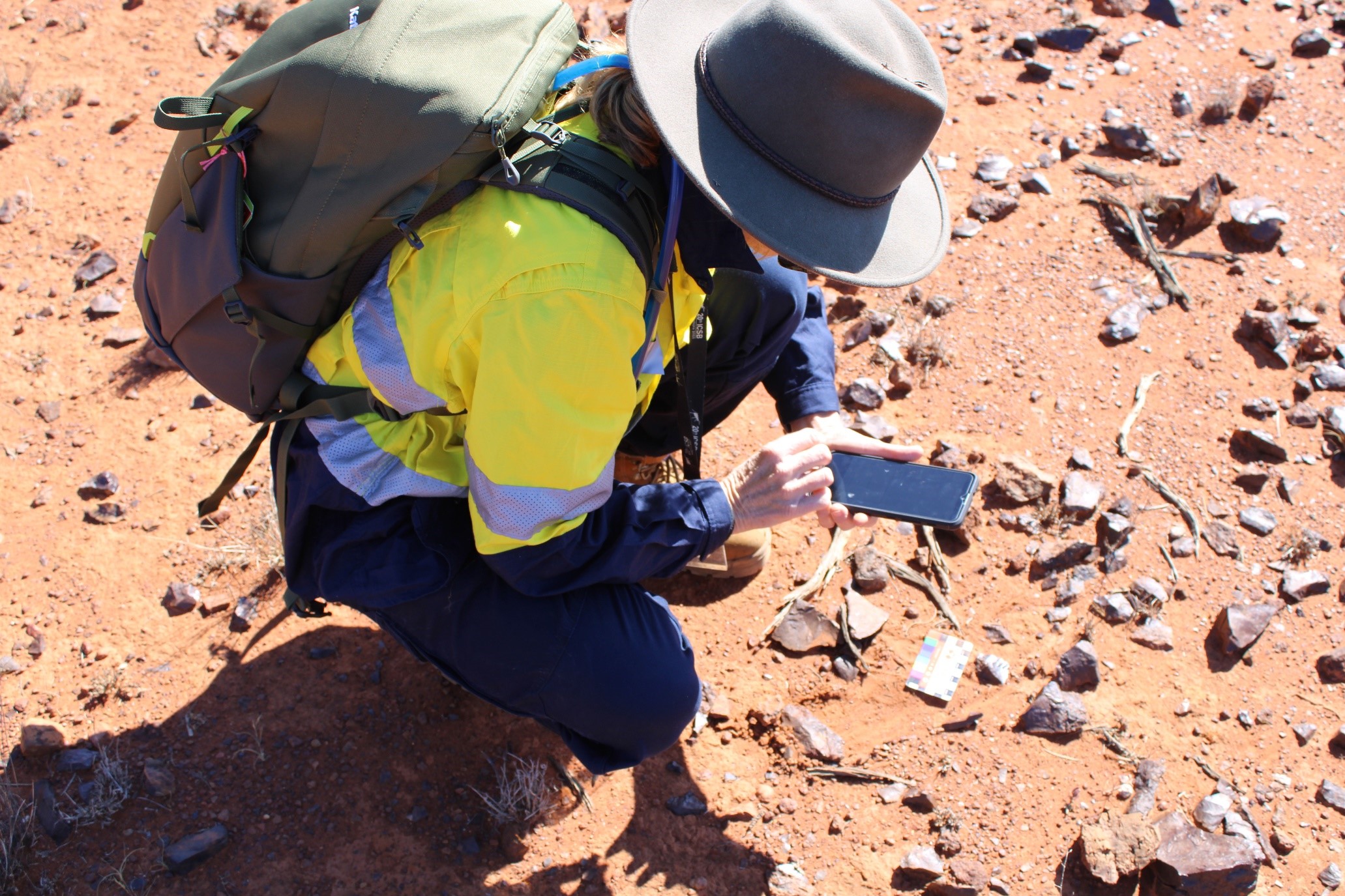
NT Sacred Sites & Aboriginal Heritage in the field


Where a project also needs environmental assessment or planning approval, our Trace Ecology and Trace Planning teams work alongside us, so constraints are checked together. Read about an unexpected finds procedure we prepared for an NT project, or see our full range of Aboriginal heritage services.
Trace Archaeology is a division of Trace Enterprises, which brings heritage, environmental and planning specialists together under one roof.
More Aboriginal Archaeology & Anthropology services
Two laws. One plan for both.
Projects in the Northern Territory work under a different heritage framework from Western Australia. Sacred sites are protected under the Northern Territory Aboriginal Sacred Sites Act 1989, administered by the Aboriginal Areas Protection Authority (AAPA). Aboriginal and Macassan archaeological places and objects are protected automatically under the Heritage Act 2011 (NT), whether or not they are on the NT Heritage Register. A single project can need to address both.
Trace Archaeology helps project proponents, pastoralists, local governments and Aboriginal organisations plan for both, so heritage obligations are understood before any ground disturbance begins.
For sacred sites, the usual pathway is an Authority Certificate from AAPA. AAPA consults the custodians of sacred sites in the area, and the certificate sets the conditions the work must follow. We help clients prepare a clear description of the proposed works and supporting maps for the application, plan works to avoid restricted areas, and build certificate conditions into site procedures.
Archaeological places and objects are a separate question. We carry out desktop assessments and archaeological surveys to identify places that may be affected, advise where a works approval under the Heritage Act 2011 may be needed, and prepare unexpected finds procedures so field crews know what to do if cultural material is uncovered during works.
Where a project also needs environmental assessment or planning approval, our Trace Ecology and Trace Planning teams work alongside us, so constraints are checked together. Read about an unexpected finds procedure we prepared for an NT project, or see our full range of Aboriginal heritage services.
Trace Archaeology is a division of Trace Enterprises, which brings heritage, environmental and planning specialists together under one roof.
Explore our other services
All heritage services →
All environmental services →
All planning services →
Every heritage, environmental and planning project starts with the right conversation.
Tell us what you are planning and where. We'll tell you what assessments and approvals it needs, who should be involved and what happens next.