
Cultural Heritage Management Plans: an overview
Heritage management plans, prepared while there are still options.
A heritage management plan, sometimes called a cultural heritage management plan (CHMP), sets out how known and potential Aboriginal and historic heritage will be managed during a project: what is there, what could be affected, and the steps that will be taken to avoid, minimise or manage impacts. Trace Archaeology prepares these plans with archaeologists and anthropologists who carry out heritage surveys across WA and the NT.
What is involved
In Western Australia, Aboriginal heritage is protected under the Aboriginal Heritage Act 1972, and historic heritage under the Heritage Act 2018 and local planning schemes. A heritage management plan is not an approval in its own right. Plans are often required by agreements with Traditional Owners, by conditions on other approvals, or by a proponent's own procedures, and they work best when prepared early, before designs and schedules are fixed.
A plan typically covers the heritage values identified in surveys and register searches, how the proposed works could affect them, avoidance and management measures, procedures for unexpected finds, monitoring arrangements, consultation and reporting responsibilities, and how the plan will be reviewed.
Cultural Heritage Management Plans in the field
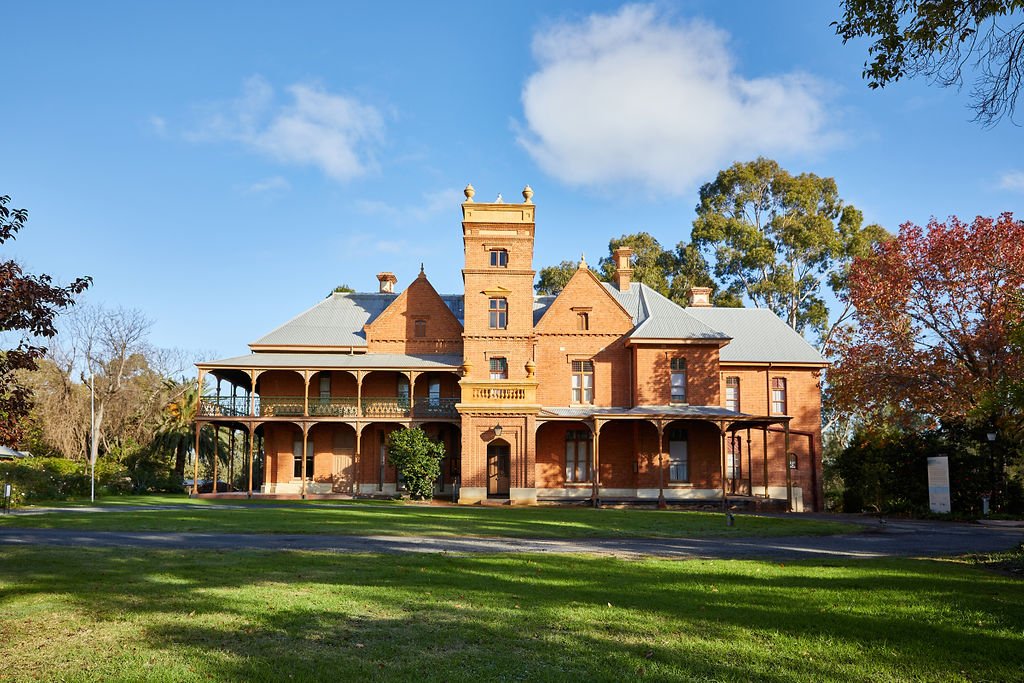


We prepare plans for local governments, developers, government agencies, mining and exploration companies and private landowners, and we work with Aboriginal Corporations and Traditional Owners on plans for their own country. A plan draws on the surveys and assessments behind it, and where those are still needed we can scope them at the same time: see Aboriginal heritage surveys and Section 18 notices and approvals, or our unexpected finds procedure work in the NT.
Trace Archaeology is a division of Trace Enterprises, which brings heritage, environmental and planning specialists together under one roof.
More Auditing & Development Approvals services
Heritage management plans, prepared while there are still options.
A heritage management plan, sometimes called a cultural heritage management plan (CHMP), sets out how known and potential Aboriginal and historic heritage will be managed during a project: what is there, what could be affected, and the steps that will be taken to avoid, minimise or manage impacts. Trace Archaeology prepares these plans with archaeologists and anthropologists who carry out heritage surveys across WA and the NT.
In Western Australia, Aboriginal heritage is protected under the Aboriginal Heritage Act 1972, and historic heritage under the Heritage Act 2018 and local planning schemes. A heritage management plan is not an approval in its own right. Plans are often required by agreements with Traditional Owners, by conditions on other approvals, or by a proponent's own procedures, and they work best when prepared early, before designs and schedules are fixed.
A plan typically covers the heritage values identified in surveys and register searches, how the proposed works could affect them, avoidance and management measures, procedures for unexpected finds, monitoring arrangements, consultation and reporting responsibilities, and how the plan will be reviewed.
We prepare plans for local governments, developers, government agencies, mining and exploration companies and private landowners, and we work with Aboriginal Corporations and Traditional Owners on plans for their own country. A plan draws on the surveys and assessments behind it, and where those are still needed we can scope them at the same time: see Aboriginal heritage surveys and Section 18 notices and approvals, or our unexpected finds procedure work in the NT.
Trace Archaeology is a division of Trace Enterprises, which brings heritage, environmental and planning specialists together under one roof.
Every heritage, environmental and planning project starts with the right conversation.
Tell us what you are planning and where. We'll tell you what assessments and approvals it needs, who should be involved and what happens next.